Understand FIFA national team eligibility rules, heritage links, and one-time switches—and what they mean for Uganda Cranes ahead of AFCON 2027.
FIFA national team eligibility rules are central to Ugandan football discussion after several heritage players joined the Uganda Cranes setup. Who may represent Uganda, and can someone who appeared for another country later switch allegiance?
The issue matters as Uganda prepares for the 2027 Africa Cup of Nations. According to FUFA’s heritage-player development update, the federation identified more than 200 professionals, shortlisted 20, and brought nine into camp before facing Libya.
Nationality Comes First
The basic principle is straightforward: a player must hold the permanent nationality of the country whose association they want to represent. A residence permit or the possibility of obtaining citizenship is not enough.
FIFA also distinguishes legal nationality from sporting nationality. Legal nationality comes from a country’s law, while sporting nationality determines which association a footballer may represent. The September 2026 FIFA eligibility commentary says the framework requires an objectively identifiable “genuine link” where the regulations demand one.
That connection may be established through the player’s birthplace, the birthplace of a biological parent or grandparent, or a prescribed period of residence. Personal affection for a country or a desire for an international opportunity does not independently create eligibility.
How Heritage Can Establish a Ugandan Link
A footballer connected to more than one association must satisfy a recognised link: birthplace; a biological parent’s birthplace; a grandparent’s birthplace; or the applicable residence condition.
This is commonly called the “granny rule,” although it is not an official FIFA term. A parent’s or grandparent’s verified Ugandan birthplace can provide the link if the player holds Ugandan nationality and meets every other condition.
FUFA says Abdoulaye Sissako’s grandmother was born in Kampala and David Akpan Udoh’s grandparent was born in Busia. It lists grandparent links for Dieudonne Gaucho Debohi, Souleyman Diaby, Arnold Vula, Kelvin Owusu Boateng and Kingdom Osayi. Final availability still depends on complete documentation.
Residence and Newly Acquired Nationality
Under Article 8, a player with a newly acquired nationality who was not previously tied through official competition may qualify through birth, a parent, a grandparent, or residence.
The residence route generally requires three years when residence began before age 10, or five years when it began later. A player who moved between 10 and 18 must show that the move was not made to secure eligibility.
Residence means physical presence. FIFA generally requires 183 days in 12 months. Certain absences may be permitted, but an international club transfer can reset the residence period.
Can a Player Change National Teams?
Yes, under restricted conditions. An official youth competition can tie a player to an association, but Article 10 permits a one-time change in specified circumstances. Holding the second nationality when first appearing officially can be decisive.
Friendlies are treated differently from official competitions. A friendly alone does not tie a player to an association, although it counts toward the three-match ceiling in the limited senior-switch route. By contrast, even a substitute appearance in an official competition can matter; being named in a squad or remaining on the bench does not.
Senior competitive appearances do not create an absolute barrier in every case. A switch may still be approved if the player held the new association’s nationality at the time of the first official appearance, was under 21 at the last official appearance, played no more than three senior internationals, waited at least three years after the last senior appearance, and never played at a senior World Cup or confederation final tournament. These requirements are cumulative.
That distinction matters for Noble Okello. FUFA says he earned two senior Canada caps in 2020 and may pursue a one-time switch. The dates, competition status, age, nationality held, and any FIFA decision all matter.
Approval Must Come Before Selection
A switch is not completed by a public declaration, passport announcement, or camp invitation. The association must apply to FIFA’s Players’ Status Chamber through the FIFA Legal Portal. FIFA’s official application guide explains the documents and procedure.
Requests should be filed at least 15 calendar days before the international window concerned. While a change-of-association request remains undecided, the player cannot represent any national team. FIFA also operates a public change-of-association platform containing favourable, final decisions.
Why the Rules Matter for Uganda Cranes
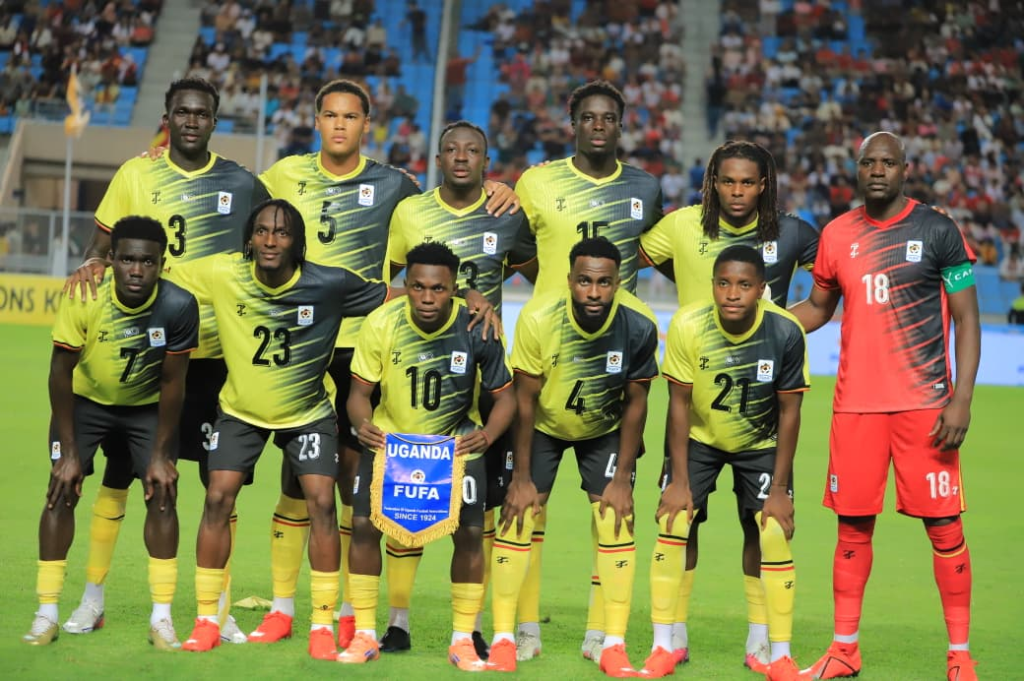
Uganda’s recruitment drive can expand Paul Put’s options, but compliance matters. Fielding an ineligible player may bring disciplinary consequences, making verification as important as scouting.
FUFA describes heritage recruitment, stronger domestic competitions and structured academies as connected pillars. Overseas professionals can provide immediate competition while local development creates a sustainable pathway.
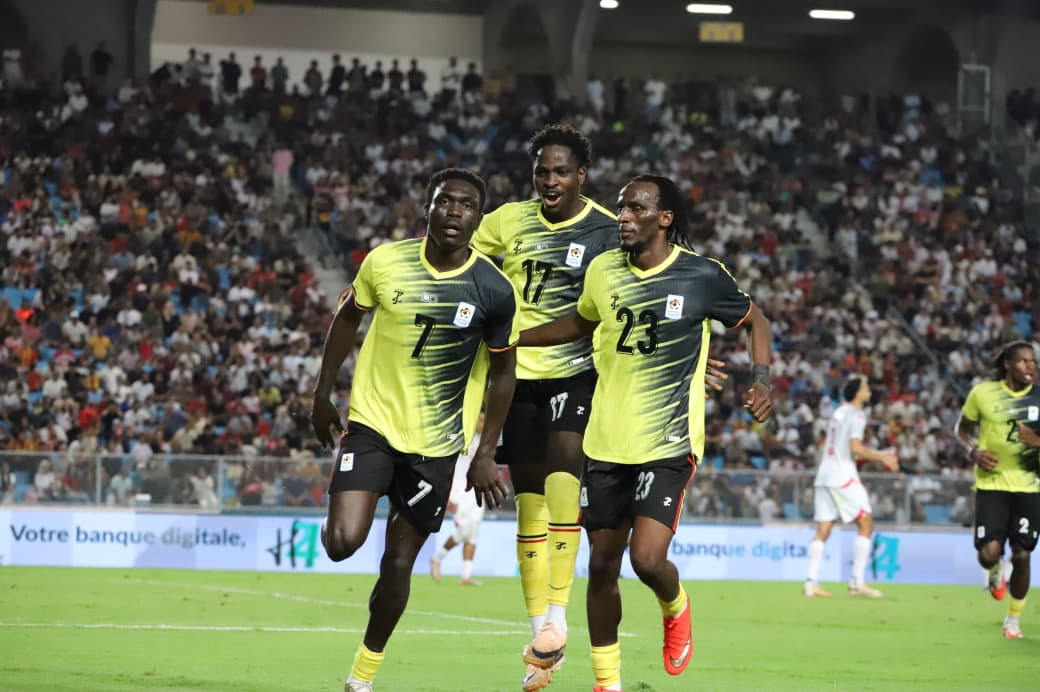
The timing is significant. Uganda drew 1-1 away to Tunisia, with Nathan Asiimwe assisting Rogers Mato’s equaliser, before hosting Libya in Hoima. CAF confirms that Uganda, Kenya and Tanzania are automatically qualified as AFCON 2027 co-hosts, but competitive matches remain valuable preparation.
Conclusion
FIFA eligibility is not simply about ancestry or preference. A player needs the relevant nationality, a recognised connection and, where necessary, formal clearance.
For Uganda, the new heritage-player project can widen the talent pool ahead of AFCON 2027, but every case must be assessed individually and transparently. Supporters can follow Uganda Cranes coverage and explore upcoming football markets on Bangbet Uganda.
Bangbet is for adults aged 25 and above. Gambling involves financial risk; treat it as entertainment, set limits, never chase losses, and stop if play becomes difficult.