Explore the seven AFCON 2027 stadiums in Uganda, Kenya and Tanzania, including Namboole, Hoima, Kasarani, Talanta, Arusha and Zanzibar.
Seven stadiums across Uganda, Kenya and Tanzania have been identified for the 2027 Africa Cup of Nations, creating the venue map for the first AFCON jointly hosted by three countries.
Nairobi will have two stadiums, Uganda will stage matches in Kampala and Hoima, while Tanzania’s venues are spread across Dar es Salaam, Arusha and Zanzibar. The tournament runs from 19 June to 17 July 2027 and will feature 24 national teams.
The Kawowo Sports guide to the seven AFCON 2027 stadiums places Uganda at the centre of a regional tournament expected to transform football infrastructure and tourism across East Africa.
CAF has not yet published the complete match allocation for each stadium. Opening-match, knockout-round and final venues should therefore be treated as unconfirmed until the continental body releases the official schedule.
AFCON 2027 Stadiums at a Glance
| Country | City | Stadium | Reported or planned capacity |
| Kenya | Nairobi | Raila Odinga International Stadium at Talanta Sports City | 60,000 |
| Kenya | Nairobi | Moi International Sports Centre, Kasarani | 48,000 |
| Uganda | Kampala | Mandela National Stadium, Namboole | 45,000 target |
| Uganda | Hoima | Hoima City Stadium | 20,000 |
| Tanzania | Dar es Salaam | Benjamin Mkapa Stadium | 60,000 |
| Tanzania | Arusha | Samia Suluhu Hassan Stadium | 30,000 |
| Tanzania | Zanzibar | Fumba Stadium | 36,500 reported |
Capacity figures describe reported or planned seating and remain subject to final construction, configuration and CAF certification.
Raila Odinga International Stadium, Nairobi
The new stadium at Talanta Sports City is Kenya’s flagship AFCON project. It has been designed as a 60,000-seat venue and is expected to host some of the tournament’s biggest occasions.
CAF’s September inspection update described the venue as a newly constructed 60,000-capacity stadium supported by training grounds and other Nairobi facilities.
Its Nairobi location provides access to Jomo Kenyatta International Airport, hotels and the city’s wider transport network. The stadium must still complete commissioning and operational testing before competitive tournament use.
Moi International Sports Centre, Kasarani
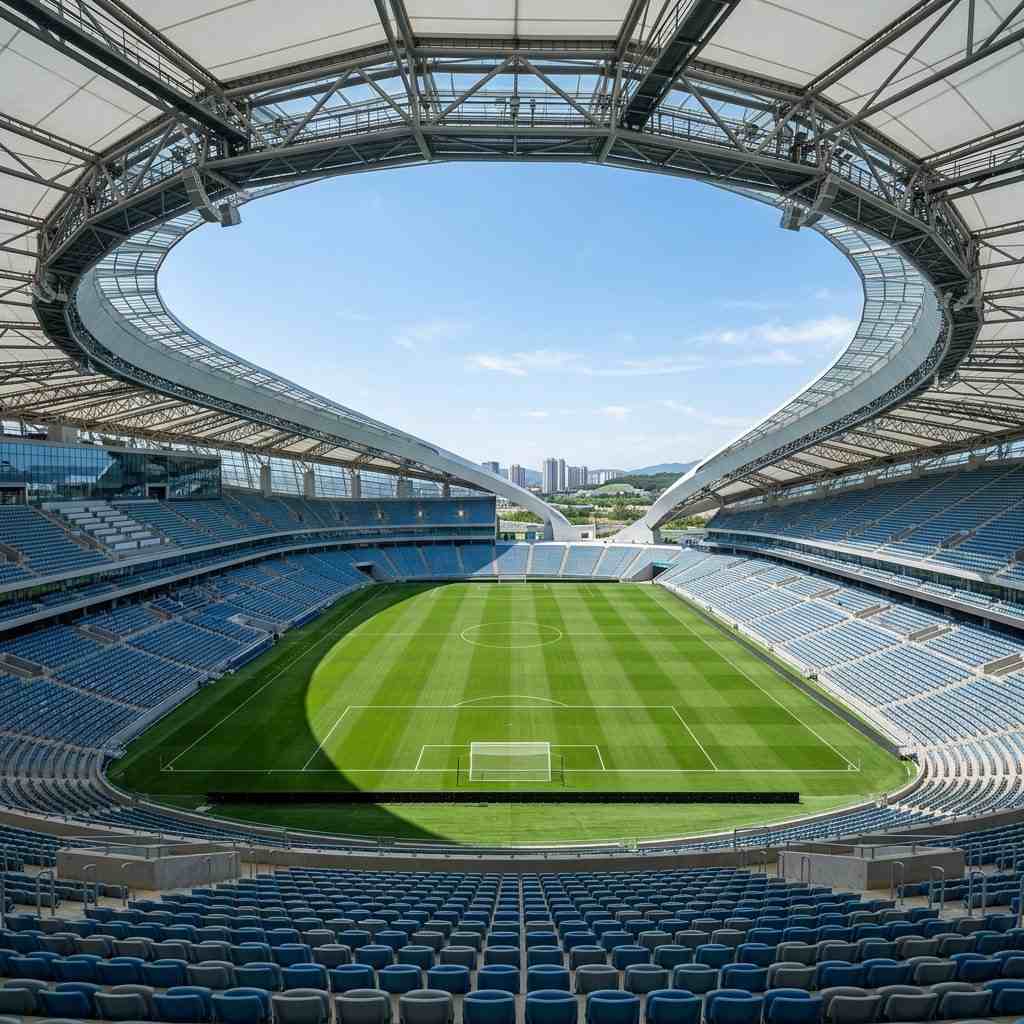
Kasarani gives Nairobi a second major match venue. The established sports complex is undergoing renovation to meet modern AFCON requirements involving the pitch, lighting, dressing rooms, media facilities, hospitality and spectator safety.
Using two stadiums in Nairobi can give organisers flexibility when arranging group matches, training, supporter transport and broadcast operations.
The individual fixtures assigned to Kasarani and Talanta remain to be announced.
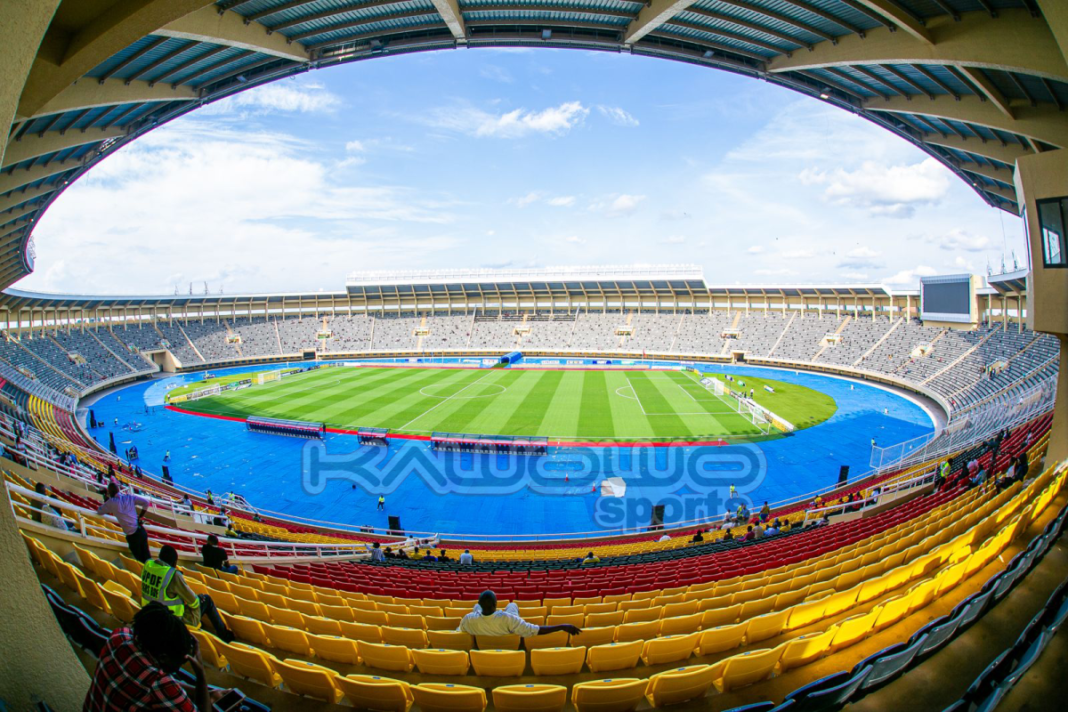
Mandela National Stadium, Namboole
Mandela National Stadium will be Uganda’s principal Kampala venue. Commonly known as Namboole, the stadium is undergoing a second phase of redevelopment intended to raise its capacity to approximately 45,000 and address tournament requirements.
The improvements extend beyond additional seating. AFCON delivery requires dependable floodlights, backup power, secure spectator routes, suitable media facilities and clear separation between teams, officials, VIP guests and general supporters.
Namboole’s location east of central Kampala makes transport planning essential. Railway services, road management and organised supporter movement will be important if thousands of fans arrive and leave within a short period.
The venue’s successful redevelopment would leave Kampala with a stronger long-term home for Uganda Cranes matches and major domestic football events.
Hoima City Stadium
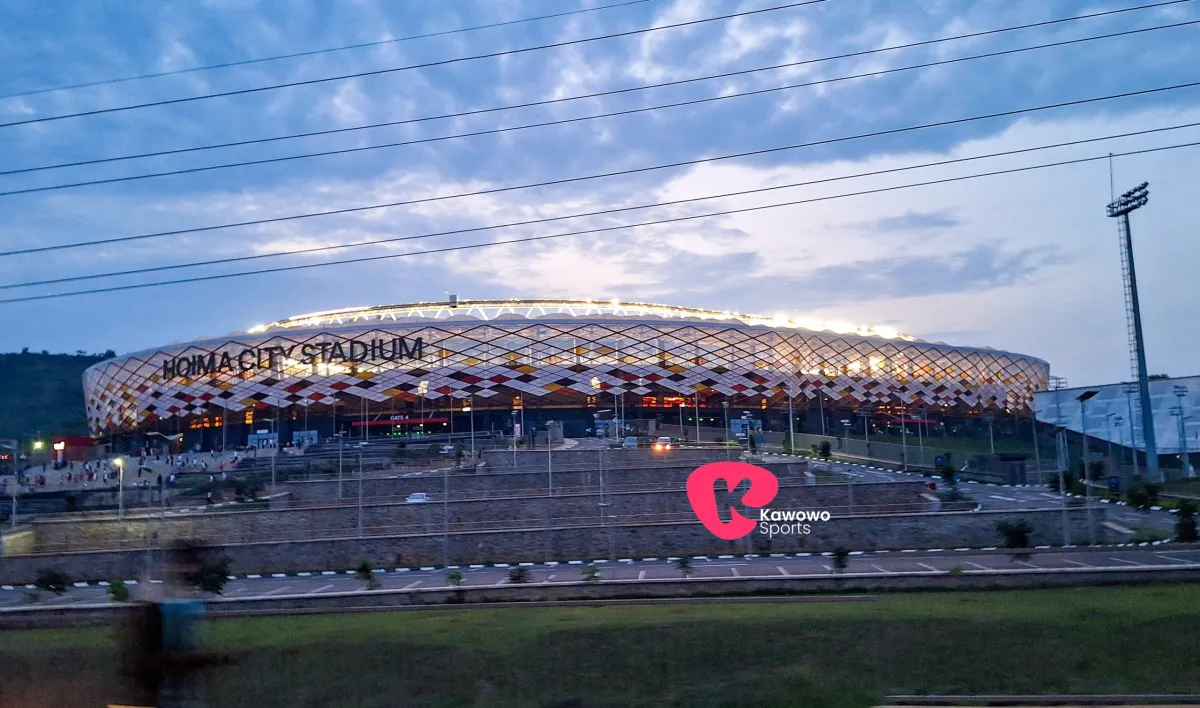
Hoima City Stadium is Uganda’s completed purpose-built AFCON venue. The 20,000-seat complex includes an athletics track, training facilities, an indoor arena, swimming facilities and outdoor courts.
The stadium has already staged domestic and international football, allowing organisers to test its playing surface, security, lighting and crowd management before AFCON.
Bangbet Uganda’s Hoima AFCON readiness assessment explains why the wider city matters as much as the venue. Accommodation, road access, local transport, hospitals, airport operations and hospitality services will shape the visitor experience.
Hosting matches in Hoima can spread tournament benefits beyond Kampala and introduce visiting supporters to the Albertine region.
Benjamin Mkapa Stadium, Dar es Salaam
Benjamin Mkapa Stadium is Tanzania’s established national venue and one of the largest grounds on the Pamoja map. The approximately 60,000-seat stadium has staged major international matches and continental club football.
Renovation work has focused on the playing surface, lighting, backup power, hospitality areas, media operations and spectator movement.
Dar es Salaam’s airport, hotels and commercial infrastructure give the city an important operational role. Its experience in staging major matches provides an advantage, although final tournament testing and CAF approval are still required.
Samia Suluhu Hassan Stadium, Arusha
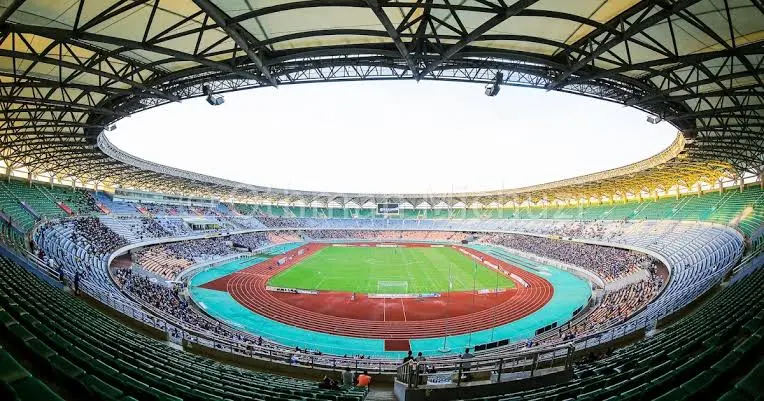
The new 30,000-seat Samia Suluhu Hassan Stadium gives northern Tanzania a major football venue. Located in Arusha, it connects AFCON with one of East Africa’s best-known tourism centres.
The stadium has been designed to accommodate football, athletics and cultural events. Its long-term value will depend on regular use and sustainable maintenance after the tournament.
Arusha’s hotels and tourism industry offer a strong foundation, but matchday transport and stadium operations must be fully tested before June 2027.
Fumba Stadium, Zanzibar
Fumba Stadium extends AFCON to Zanzibar and gives the competition a distinctive island host. The project has been reported with a capacity of about 36,500 spectators.
Zanzibar’s inclusion creates opportunities for hospitality, transport and tourism businesses. It also presents additional logistical demands involving flights, ferries, accommodation and the movement of teams and supporters.
Reports have sometimes referred to both Fumba Stadium and the Amaan complex during Zanzibar’s preparations. The confirmed host city is Zanzibar, while supporters should wait for CAF’s final fixture and venue documents before making match-specific travel bookings.
What the Seven Venues Mean for Uganda
Uganda’s inclusion through Kampala and Hoima guarantees that the country will participate both on and off the pitch. The Cranes qualify automatically alongside Kenya and Tanzania as co-hosts.
The tournament can create opportunities for hotels, transport providers, restaurants, tour operators and small businesses. Bangbet Uganda’s report on the Uganda Tourism Board’s CAF partnership explains how the country plans to promote itself as a destination during the event.
Uganda must also ensure that investment produces a lasting sporting legacy. Namboole and Hoima should remain accessible, properly maintained and regularly used by national teams, domestic clubs and other sports after AFCON.
Success will therefore be measured through more than completed stadiums. Reliable transport, clear ticketing, secure matchdays, suitable training grounds and positive visitor experiences will determine how the tournament is remembered.
Frequently Asked Questions
How many stadiums will be used for AFCON 2027?
Seven stadiums have been identified across six host cities in Uganda, Kenya and Tanzania.
Which Ugandan stadiums will host AFCON 2027?
Mandela National Stadium in Kampala and Hoima City Stadium are Uganda’s two identified venues.
When will AFCON 2027 take place?
The tournament is scheduled from 19 June to 17 July 2027.
Which countries are hosting AFCON 2027?
Uganda, Kenya and Tanzania will jointly host the competition under the Pamoja partnership.
Has CAF announced the opening match and final venues?
No. The detailed match allocation, including the opening game and final, still requires an official CAF announcement.
Do Uganda, Kenya and Tanzania have to qualify?
No. All three countries qualify automatically as tournament hosts.
Is Akii-Bua Stadium an AFCON 2027 match venue?
Akii-Bua Stadium remains part of Uganda’s wider sports-infrastructure programme, but the current seven-stadium host map identifies Namboole and Hoima City Stadium as Uganda’s match venues.
Follow AFCON 2027 Responsibly
Adults aged 25 and above can review available international football fixtures and markets through the Bangbet Uganda sportsbook. Confirm the competition, teams, market, odds, and stake before submitting any selection.
Betting involves financial risk, and no result is guaranteed. Set affordable limits, protect essential funds, never borrow to bet, and never chase losses.
Anyone finding gambling difficult to control should stop and read Bangbet’s responsible-gambling guide.
Verdict
The seven-stadium Pamoja map gives AFCON 2027 a genuinely regional identity. Nairobi supplies two major venues, Tanzania spreads matches across three tourism and commercial centres, and Uganda connects Kampala with the emerging Hoima hub.
The promise is historic, but successful delivery will depend on final construction, operational testing and reliable transport, security, accommodation and supporter information across all six cities.