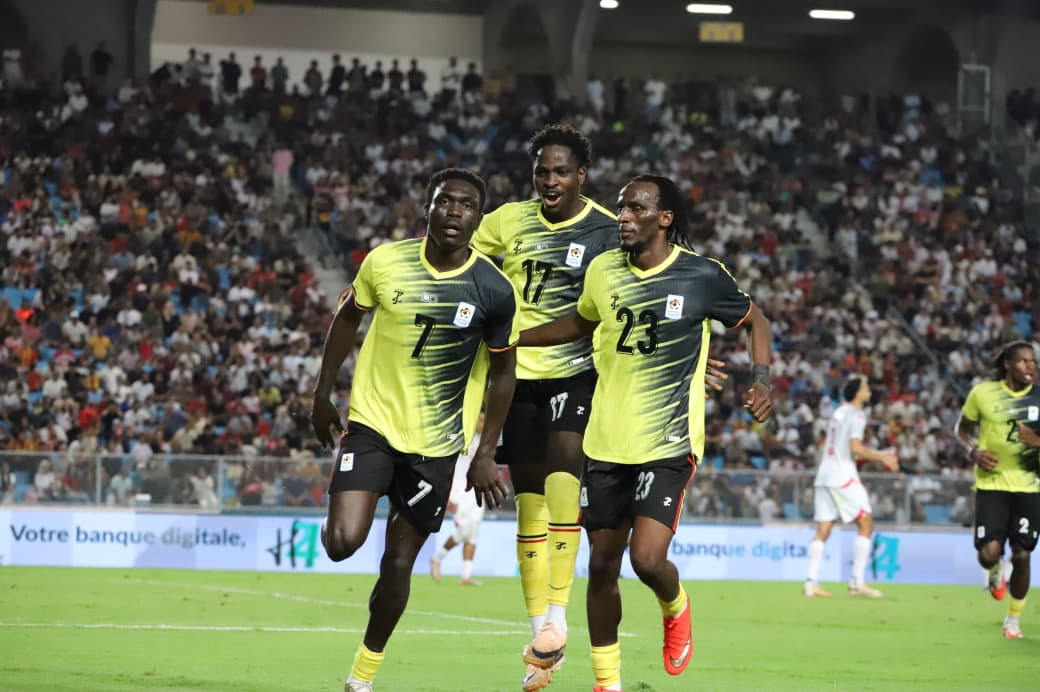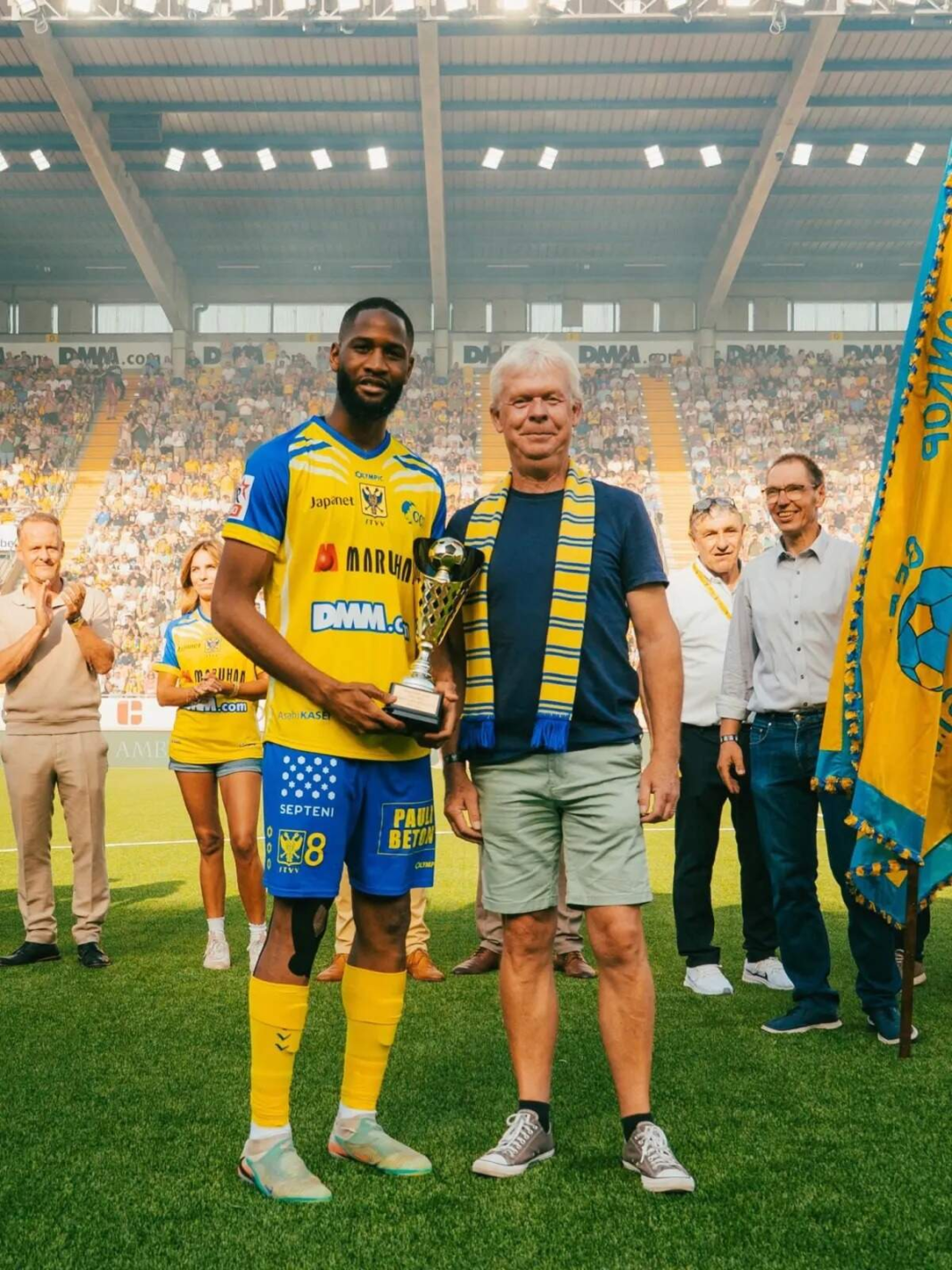
Explore Abdoulaye Sissako’s career, his connection to Uganda, and what FIFA eligibility rules mean for FUFA’s heritage-player strategy ahead of AFCON 2027.
Abdoulaye Sissako is among the most discussed additions to the Uganda Cranes setup as FUFA expands its search for eligible footballers with Ugandan roots. The France-born midfielder brings European experience, but can heritage recruitment improve the national team without weakening Uganda’s existing domestic development pathway?
The conversation has intensified before the 2027 Africa Cup of Nations, which Uganda will co-host with Kenya and Tanzania. A Kawowo Sports profile of Abdoulaye Sissako traced his club and youth-international career, while a separate analysis of FUFA’s naturalisation strategy examined the promise and debate surrounding the project.
Who Is Abdoulaye Sissako?
Born in Clichy, France, on 26 May 1998, Sissako is primarily a defensive midfielder. He can also play centre-back, offering another option when protecting a lead or building a compact shape.
His development began with RC France before he joined AJ Auxerre’s academy. He progressed into Auxerre’s reserve and senior structures, later representing Châteauroux, Zulte Waregem and Kortrijk. He moved to Sint-Truiden in 2025.
The official Sint-Truiden announcement described him as an experienced, powerful midfielder able to cover at centre-back. Early in the 2026/27 Belgian Pro League season, the official league player profile recorded seven appearances, one assist and 615 minutes, showing he arrived with current club rhythm.
Sissako also has international experience. The French Football Federation’s official record lists six appearances and one goal for France Under-18, followed by 14 appearances for the Under-19 team. His 20 youth caps included friendly and European Under-19 competition matches.
How Sissako Is Connected to Uganda
According to FUFA’s official heritage-player update, Sissako is of Malian and Ugandan descent. His parents were born in Mali and his grandmother, Sakona, in Kampala. That grandparent link matters under FIFA rules, but ancestry is only part of the eligibility test for Uganda.
A player must hold the permanent nationality of the country they intend to represent. FIFA may also require a genuine territorial link through the player’s birthplace, a biological parent’s birthplace, a grandparent’s birthplace, or the relevant residence period when multiple associations are directly involved.
This ancestry route is often called the “granny rule,” although FIFA does not formally use the name. It differs from residence-based naturalisation. Here, FUFA identifies a family connection through a grandmother born in Uganda, not Sissako’s long-term residence in the country as basis.
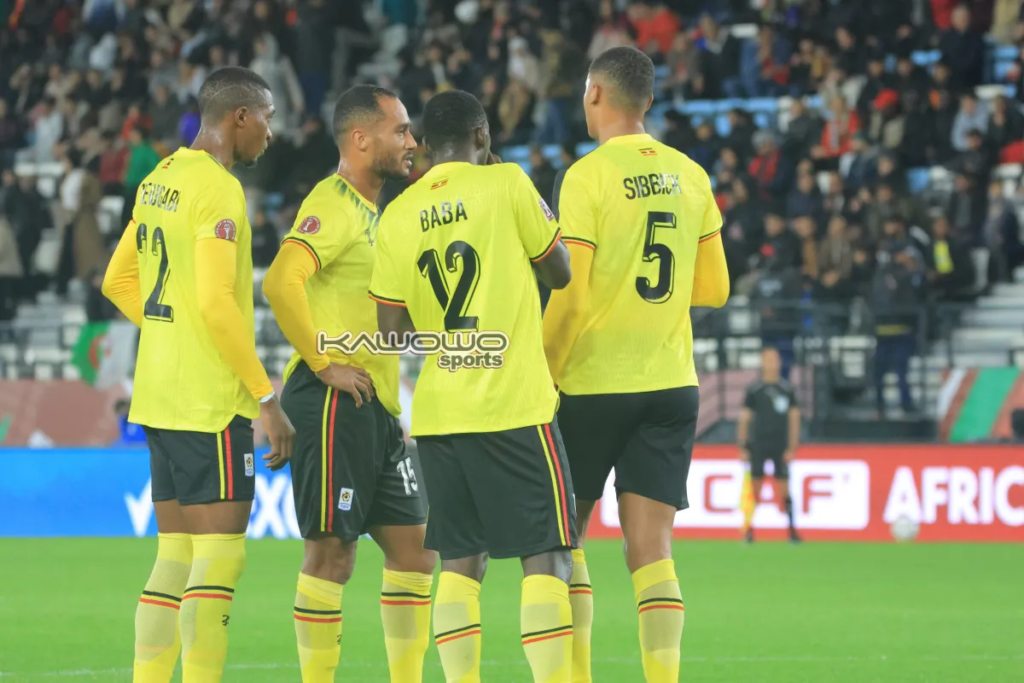
Do His France Youth Appearances Block a Uganda Switch?
No. FIFA distinguishes friendlies from official competitions. Attending a camp, sitting on the bench, or playing a non-official friendly does not tie a footballer to one sporting nationality. An appearance in an official competition can tie them, including below senior level under current FIFA rules.
However, Article 10 allows a qualifying player to request a change of association, normally once. The precise route depends on factors including the level and status of previous matches, the nationality already held when the player first appeared, the player’s age and the required connection to the new association.
The September 2026 FIFA eligibility commentary stresses that these criteria are objective and cumulative. Therefore, France youth caps do not alone prove that Sissako is either cleared or blocked. His documentation and the status of his previous appearances must be examined under the applicable provision.
Where a formal switch is required, the relevant association submits the case to FIFA’s Players’ Status Chamber. The official FIFA application guide explains the evidence and procedure. A player with a pending change-of-association request cannot represent any national team until a decision is issued.
FUFA’s Wider Search for Heritage Players
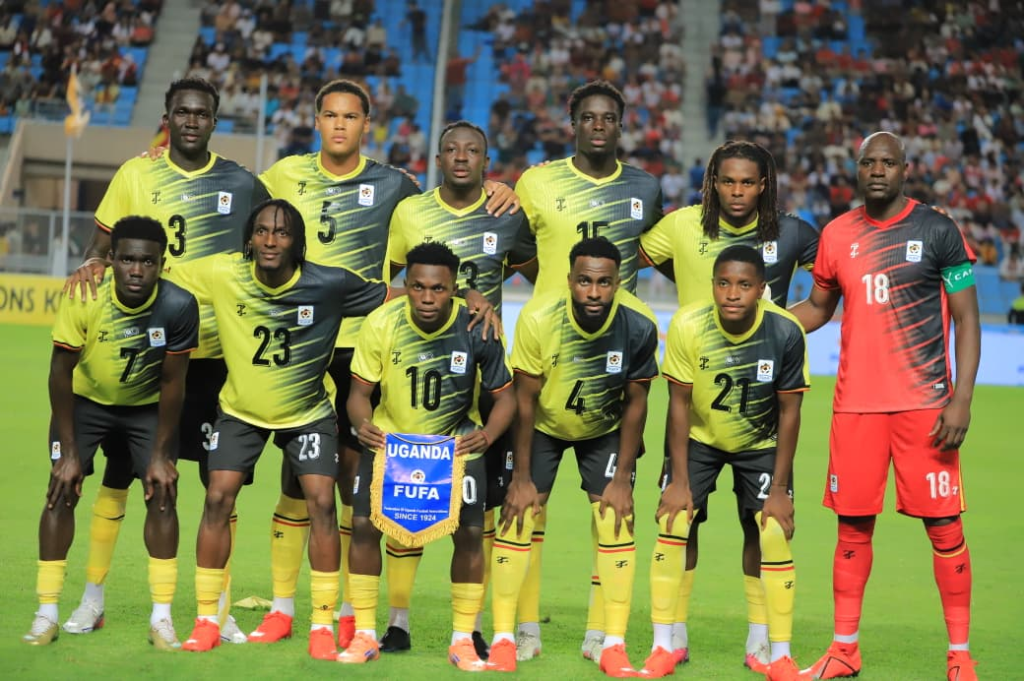
Sissako is part of a much broader programme. FUFA says consultants produced a list of more than 200 professional footballers potentially eligible for Uganda. Twenty were identified for follow-up, and nine joined the Cranes group in Kampala before the AFCON 2027 qualifier against Libya and planned friendlies with DR Congo.
The group named by FUFA included David Akpan Udoh, Dieudonne Gaucho Debohi, Souleyman Diaby, Arnold Vula, Noble Okello, Nathan Asiimwe, Kelvin Owusu Boateng and Kingdom Osayi alongside Sissako. Their backgrounds and international histories differ, so each case requires an individual assessment rather than a blanket conclusion.
FUFA presents heritage recruitment as one of three connected pillars. The others are improving domestic club competitions and developing structured academies and youth tournaments. That distinction matters because recruiting established professionals can address immediate weaknesses, while academies and local clubs determine the long-term health of Ugandan football.
What Sissako Could Add to the Cranes
Sissako’s club profile suggests qualities Uganda can use: ball recovery, physical presence, positional discipline and experience in a technically demanding European league. His ability to cover midfield and defence could also help Paul Put adjust during matches without immediately making a substitution.
Yet selection must follow performance, tactical fit and confirmed eligibility. A heritage player should not be treated as automatically superior to a locally developed footballer. The strongest national-team policy creates competition, rewards form and gives every eligible player a clear pathway.
Uganda already have their place at AFCON 2027 as co-hosts. CAF’s official qualifying format and fixture guide confirms that Uganda, Kenya and Tanzania qualify automatically, while the highest-placed other side in each host’s group advances. The qualifiers therefore give the Cranes competitive opportunities to test combinations, build cohesion and assess new players before the finals.
Frequently Asked Questions
Why can Abdoulaye Sissako represent Uganda?
FUFA says Sissako has a Ugandan connection through his grandmother, who was born in Kampala. He must also hold the relevant nationality and satisfy every applicable FIFA eligibility and procedural requirement.
Do Sissako’s France youth caps prevent him from playing for Uganda?
Not necessarily. Official youth appearances may tie a player to an association, but FIFA provides specified routes for a one-time change. The exact competition history, nationality timeline and approval status determine the outcome.
Is every heritage player automatically cleared after receiving a Ugandan passport?
No. A passport establishes legal nationality, but FIFA sporting eligibility is a separate question. Some players may require an eligibility confirmation or change-of-association decision before playing.
Is Uganda already qualified for AFCON 2027?
Yes. Uganda automatically qualified as a co-host with Kenya and Tanzania. The qualifying matches remain important for competitive preparation and team building.
Follow Uganda Cranes on Bangbet
Supporters can follow Uganda Cranes News, review upcoming fixtures, and explore available football markets through Bangbet Uganda. Check confirmed team news and match details before making any selection; no outcome or return is guaranteed.
Bangbet is for adults aged 25 and above. Gambling involves financial risk. Treat it as entertainment, protect essential money, set time and spending limits, never chase losses, and stop if gambling becomes difficult to control.
Conclusion
Abdoulaye Sissako represents both the opportunity and responsibility within FUFA’s heritage-player project. His European experience and positional flexibility could strengthen Uganda, but ancestry, nationality and FIFA clearance must be documented before sporting conclusions are drawn.
The best outcome would not be heritage players replacing local development. It would be a competitive Cranes squad supported by transparent recruitment, stronger domestic clubs and productive academies. With AFCON 2027 approaching, Uganda needs immediate quality and a sustainable football pathway—and neither objective