Akii-Bua Stadium ICT systems enter final testing in Lira. Explore the AFCON 2027 implications for Ugandan fans, broadcasters and local businesses.
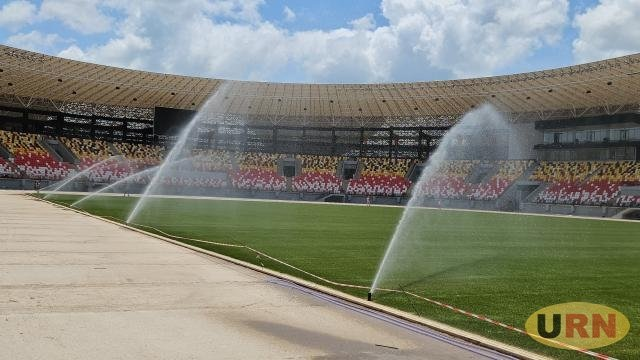
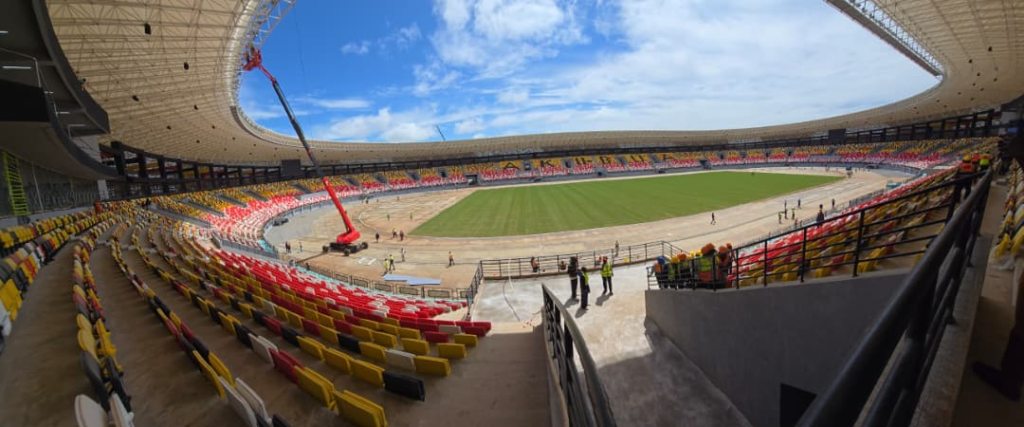
Akii-Bua Olympic Stadium in Lira City has reached an important stage in Uganda’s preparations for AFCON 2027, with its information and communications technology installations undergoing final testing.
According to Nile Post’s stadium update, the National Information Technology Authority-Uganda, NITA-U, says most installations are complete and the project has achieved its specified technology requirements.
The infrastructure is intended to support broadcasting, communications, internet connectivity, video assistant refereeing and remote stadium management.
For Ugandan supporters, the development brings attention to what happens beyond the pitch and spectator stands. Delivering international football also requires dependable systems that help officials, broadcasters and stadium personnel perform their duties.
What Akii-Bua Stadium’s ICT Testing Involves
The current phase concerns how the stadium’s technology performs and whether its different components work together effectively.
The Independent’s report on NITA-U’s assessment identifies audio-visual testing among the ongoing activities. It also describes an integrated network connecting sound systems, video displays, communications and venue management technologies.
The practical question is straightforward: can the equipment support a busy stadium when several departments need it simultaneously?
A display working during an isolated demonstration is one milestone. Coordinating screens, announcements, communications and operational systems during a match presents a more demanding test.
Testing should therefore help technical teams identify faults, make adjustments and establish clear procedures before major events.
Why Technology Matters to Ugandan Football Fans
Supporters travelling from Kampala, Gulu, Jinja or neighbouring communities in Lango will judge the venue through their matchday experience.
Clear announcements, useful information and coordinated stadium operations can make a visit easier to navigate. For viewers following football from home, dependable broadcast infrastructure is equally important.
The technology also serves people whose work receives less public attention. Referees, production crews, technical officials and stadium operators need reliable ways to exchange information and coordinate activities.
Nile Post reports that Akii-Bua’s installations are intended to support several of these functions. However, the report does not establish a public Wi-Fi package, spectator data allowance or specific connectivity service for ticket holders. Those details require separate confirmation.
Fans should therefore distinguish operational connectivity from any future internet service advertised for spectators.
Final Testing Does Not Mean Final CAF Approval
The progress is encouraging, but it should be described accurately.
NITA-U’s confidence concerns the technology infrastructure under its supervision. The Independent reports that CAF technical inspections and trial matches remain important steps in assessing compliance and performance under actual match conditions.
A successful technical installation is part of stadium readiness. Organisers must also establish that people, equipment and procedures can operate together.
Trial events offer an opportunity to examine practical questions. Can staff respond quickly when equipment fails? Are announcements understandable across different sections? Do technical teams know who takes responsibility when a problem affects several departments?
These are useful measures of readiness because an international tournament places pressure on the entire operation.
Where Akii-Bua Fits Into AFCON 2027 Preparations
Uganda will co-host AFCON 2027 with Kenya and Tanzania. CAF’s official tournament announcement sets the opening match for 19 June 2027 and the final for 17 July 2027.
That timetable gives Uganda’s preparations a clear deadline while reinforcing the importance of testing facilities early enough to correct problems.
For readers following the wider infrastructure picture, Bangbet’s Hoima AFCON 2027 readiness analysis examines the relationship between a stadium and the services around it, including accommodation, roads and local transport.
Lira’s preparations should be considered through the same broad lens: a functioning venue needs a functioning host-city experience.
What the Stadium Could Mean for Lira and Lango
For northern Uganda, the opportunity extends beyond hosting a football match.
A well-used stadium could encourage demand for accommodation, catering, transport and event services. Local businesses should prepare around confirmed schedules and realistic customer needs.
Hotels can review booking procedures and customer communication. Restaurants can assess service capacity. Transport operators can consider how visitors will reach the venue and return safely after events.
These are potential opportunities, rather than guaranteed earnings. Their value will depend on the events secured, attendance, operating arrangements and the quality of local services.
The longer-term question is equally important: how can the facility remain useful after AFCON? Regular sporting and community activity would help turn tournament investment into an enduring local asset.
What Ugandan Supporters Should Watch Next
The most useful updates will explain what has been tested, what remains outstanding, and when the public can attend confirmed events.
Supporters should watch for:
- Results from technical testing and any required adjustments.
- CAF inspection findings or formal readiness announcements.
- Confirmed trial-match dates and admission arrangements.
- Official information on transport, accessibility and spectator services.
Clear public communication will help residents and travelling supporters plan without relying on rumours.
Frequently Asked Questions
Where is Akii-Bua Olympic Stadium located?
Akii-Bua Olympic Stadium is in Lira City, northern Uganda. It is one of the major infrastructure projects associated with Uganda’s AFCON 2027 preparations.
Are Akii-Bua Stadium’s ICT works complete?
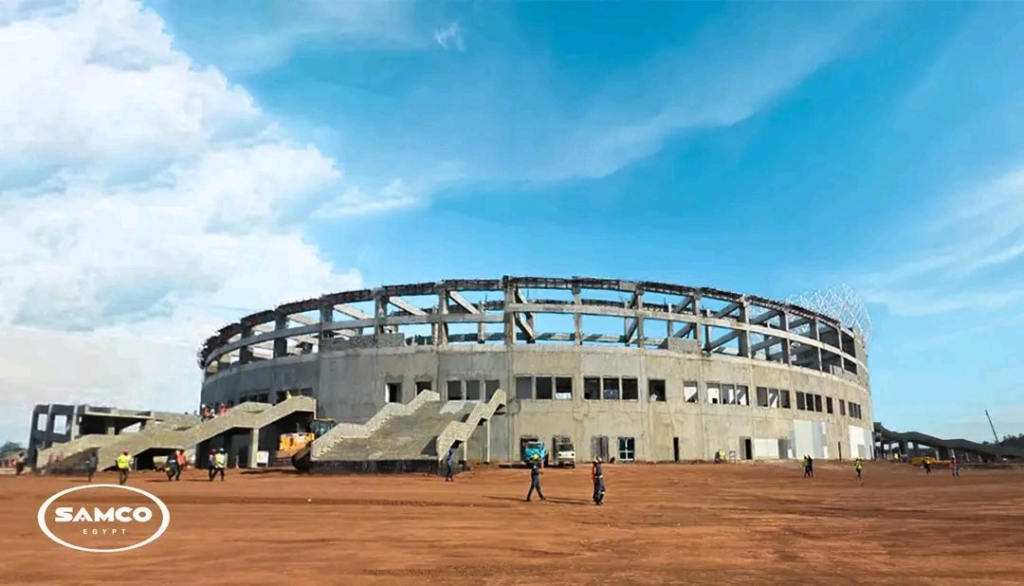
NITA-U says most installations are complete, with testing and final adjustments continuing. This update concerns the technology works and should not be interpreted as confirmation that every stadium component is finished.
Has CAF given the stadium final approval?
The cited reports do not establish final CAF approval. They identify technical inspections and trial matches as further steps in assessing readiness.
When will AFCON 2027 take place?
CAF has announced 19 June to 17 July 2027, with Uganda, Kenya and Tanzania jointly hosting the competition.
Follow Football With Bangbet Uganda
As Uganda prepares for AFCON, adults aged 25 and above can explore available fixtures and markets the Bangbet Uganda sportsbook. Check current market rules and any promotion-specific terms before participating; offers and availability may change.
Read the Bangbet responsible gambling guide for guidance on managing play. Treat betting as entertainment, set affordable time and spending limits, protect essential expenses, never borrow to gamble and never chase losses.
Verdict
Akii-Bua Stadium’s ICT testing represents meaningful progress towards delivering international football in Lira. The next milestones should demonstrate that its systems perform reliably during real events. For Uganda, success will mean combining technical readiness with organised services and a lasting sporting legacy for Lango.