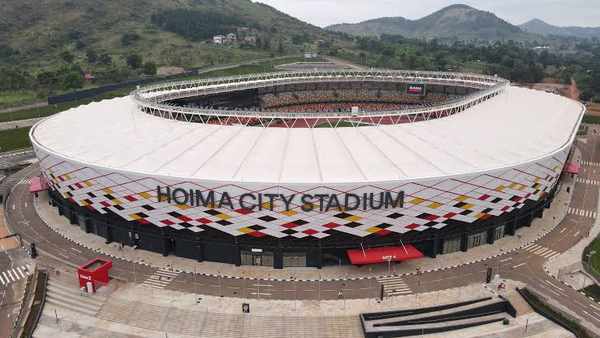
Hoima City Stadium impressed during Uganda’s win over Libya, but roads, hotels, transport and services remain major AFCON 2027 readiness tests.
Hoima City Stadium passed a practical test when Uganda defeated Libya 1-0 in an AFCON 2027 qualifier. A lively crowd, an excellent playing surface and functional match facilities showed what the new venue can offer.
The larger question is whether Hoima city can serve the thousands of visitors expected during Africa’s leading football tournament.
That distinction matters. Hoima’s preparations must therefore extend far beyond the stadium gates.
What the Uganda vs Libya qualifier proved
The Kawowo Sports account of Hoima’s first competitive international described a historic occasion. Arnold Vula scored on his Uganda debut, supporters travelled from Kampala and other areas, and the approximately 20,000-capacity venue produced a strong atmosphere.
Inside the ground, the report praised the pitch, seating, media tribune, mixed zone, conference facilities and fan zone. On this evidence, Hoima City Stadium demonstrated that it can stage a significant international match.
The qualifier also exposed a difference in scale. Uganda had already qualified, the game took place on a weekday, and the visitors were one national team. AFCON will bring multiple squads, officials, sponsors, media organisations and supporters from across Africa.
Accommodation is Hoima’s immediate warning
Kawowo reported that hotels were already fully booked by the Monday before the Tuesday fixture, forcing some visitors to seek rooms in Masindi. This was not presented as an official accommodation audit, but it offers a warning that authorities and the private sector should investigate urgently.
Tournament planning needs a verified inventory of hotel rooms, guesthouses, apartments and approved temporary options. Organisers must map each property against transport time, security requirements and the needs of teams, referees, media and supporters.
AFCON also creates an investment opportunity. Existing hotels can expand capacity or upgrade services, while new operators can enter the market. However, rushed growth without quality controls could leave visitors paying inconsistent prices for poor service.
Roads and local transport require visible progress
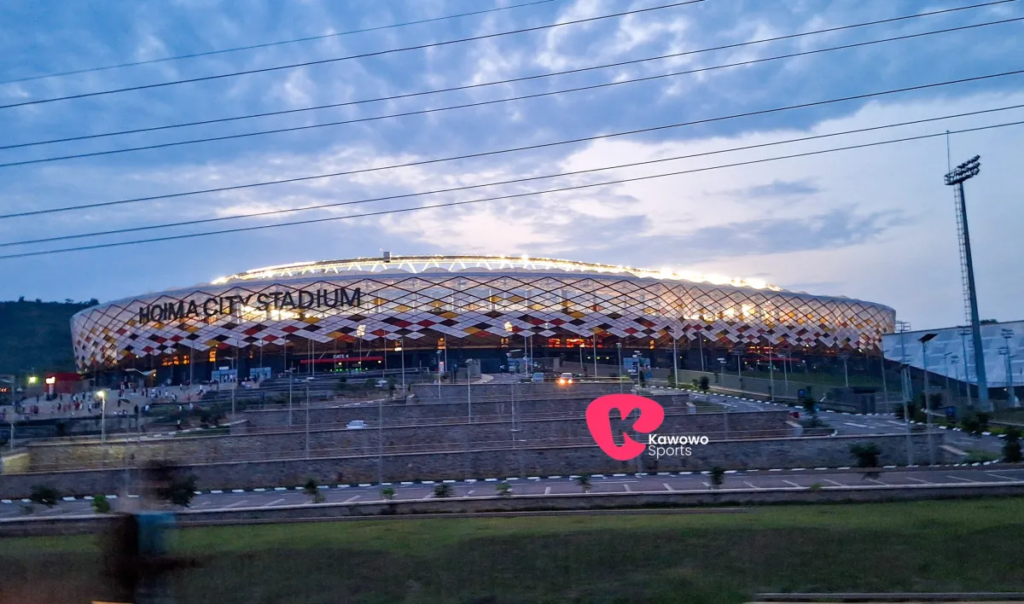
Travel to Hoima emerged as another concern in the Kawowo report, which described difficult road conditions and lengthy journeys. Stadium access affects far more than supporters: teams must move between airports, hotels, training grounds and match venues on precise schedules.
There is evidence of official action. The Ministry of Works and Transport’s AFCON road tender includes a 12-kilometre Mparo Bypass and stadium link, plus other Hoima road packages. Procurement is a measurable step, although completion and operational testing will ultimately determine readiness.
Within the city, boda bodas cannot carry the entire tournament transport demand. Hoima needs organised taxis, matchday shuttles, designated pickup areas and routes linking hotels, the stadium and transport terminals.
Hospitality and business readiness matter
The qualifier revealed reported delays, inconsistent orders and billing problems at some food outlets. Restaurants and hotels need staff training, faster payment systems, dependable menus and capacity plans for sudden matchday demand.
Local businesses should also see AFCON as an economic event. Traders can sell licensed merchandise, food, transport and tourism services, while residents can benefit from jobs and new customers.
City authorities can help by designating vending zones, publishing licensing requirements and connecting small enterprises with training.
What official AFCON updates show
CAF confirms that Kenya, Tanzania and Uganda will jointly stage AFCON Pamoja 2027.
CAF also completed an eight-day inspection of key facilities across the three countries in September 2026. That visit confirms continuing oversight, but an inspection should not be interpreted as final approval of every venue or city service unless CAF states that conclusion.
| Readiness area | Evidence so far | Priority before AFCON |
| Stadium | Successful Uganda-Libya fixture | Repeat full-capacity operational tests |
| Accommodation | Reported sell-out before one qualifier | Audit rooms and coordinate neighbouring towns |
| Road access | AFCON road packages advertised | Complete and test routes on schedule |
| Local mobility | Heavy reliance on boda bodas | Introduce shuttles, taxis and clear pickup points |
| Hospitality | Strong welcome but inconsistent service reported | Train staff and standardise customer systems |
| Commerce | Limited activity around the qualifier | Prepare vendors and local tourism businesses |

What it means for Ugandans
Hoima’s role can spread AFCON’s benefits beyond Kampala. Better roads, hospitality jobs, tourism activity and improved urban services could remain useful long after the final whistle.
Ugandan football supporters can follow upcoming national-team fixtures through the Bangbet Uganda sports platform. Adults aged 25 and above should remember that betting involves financial risk, set affordable limits and consult the responsible-gambling guide.
Frequently asked questions
Is Hoima City Stadium ready for AFCON 2027?
It successfully hosted Uganda against Libya, but final tournament readiness depends on CAF requirements and further operational testing.
What are Hoima’s biggest AFCON challenges?
The reported priorities are accommodation, road access, organised local transport, food service, visitor information and commercial preparation.
Who will host AFCON 2027?
Uganda will co-host the tournament with Kenya and Tanzania under the Pamoja 2027 partnership.
Has CAF approved Hoima as fully ready?
CAF has inspected key facilities across the host countries, but the cited update did not declare every component of Hoima fully ready.
Conclusion
The qualifier nevertheless showed that a stadium cannot carry a tournament alone. Accommodation, roads, transport, hospitality and business coordination will determine whether visitors experience Hoima as a complete host city. The foundation is promising; delivery beyond the gates is now the decisive test.