
Moses Matovu was celebrated as Afrigo Band’s leader, but his journey also included playing for leading Ugandan clubs and serving SC Villa.
Moses Matovu will be remembered by most Ugandans as the veteran saxophonist, vocalist and bandleader who helped Afrigo Band remain a defining presence in the country’s music industry for more than five decades.
Behind that celebrated musical career, however, was another important part of his life: football. Long before becoming widely recognised as “Papa Moi,” Matovu played for several prominent Ugandan teams and developed a connection with SC Villa that continued after his playing days.
His death at the age of 77 on 24 September 2026, following an alleged attack in Kibuli, Kampala, therefore represented a loss to both Uganda’s cultural community and its football fraternity. Police opened an investigation into the circumstances surrounding the attack.
Football Before National Music Fame
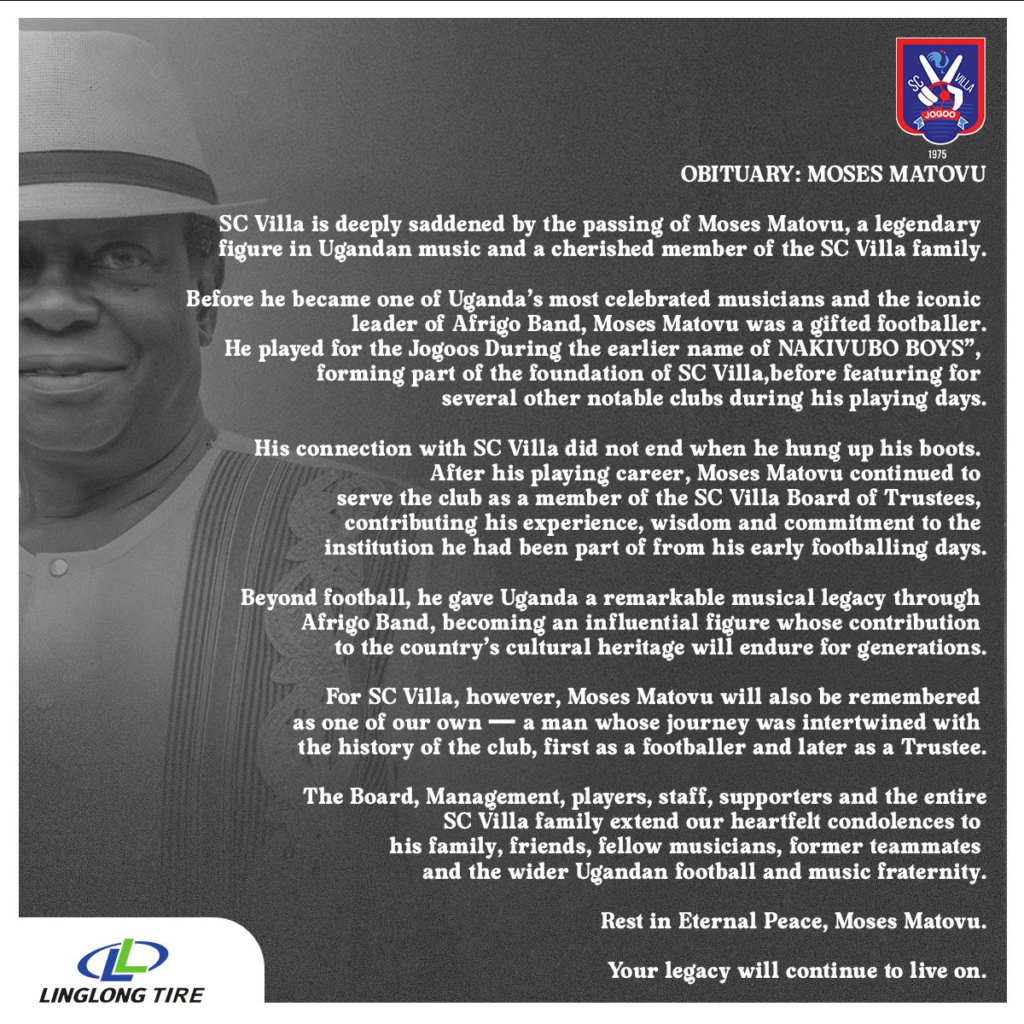
Matovu’s football journey began before the birth of Afrigo Band. His playing career included spells with Nakivubo Boys, Express FC, Police FC, Lint Marketing Board and Fiat FC.
Nakivubo Boys would later develop into the institution now known as SC Villa. That early connection established a relationship between Matovu and the Jogoos that endured for the rest of his life.
At Express, Matovu was associated with the Red Eagles during an era when Uganda’s domestic game was establishing some of the rivalries and identities that remain important today. Football also provided him with a route into the Uganda Police Force, where his sporting and musical interests continued to develop.
In an interview republished by Uganda Radio Network, Matovu recalled playing for Express, Lint Marketing Board, Nakivubo Boys and Fiat. He also explained that football remained his game, identifying SC Villa and Manchester United as the teams he supported.
Choosing Music Without Abandoning Football
Matovu retired from competitive football in 1972 and concentrated on music. Three years later, he helped establish Afrigo Band, beginning the chapter for which he would become nationally famous.
That decision did not erase his connection to the sport. Instead, the discipline, leadership and teamwork associated with football appeared throughout his musical career.
Matovu once compared the role of a bandleader to that of a football coach. In both positions, he believed leaders had to identify ability, guide people, recognise their contributions and maintain clear standards.
Those principles helped Afrigo Band navigate changing musical trends and personnel while preserving its identity. The group became one of Uganda’s longest-running bands, with Matovu providing continuity as a singer, saxophonist and leader.
His ability to move between football and music also reflected the close historical relationship between Kampala’s sporting and cultural communities. Clubs, bands and social institutions frequently drew talent from the same neighbourhoods and schools.
Returning to Serve SC Villa
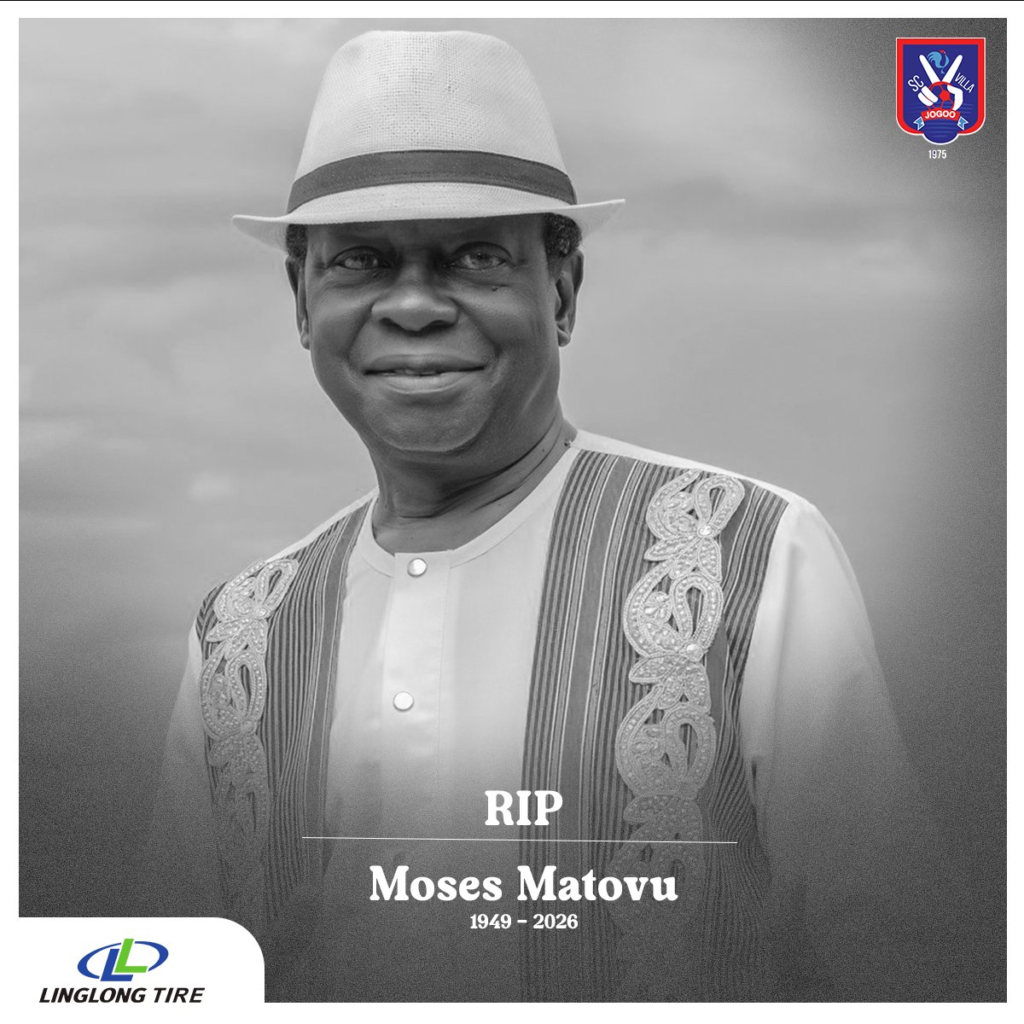
Matovu’s association with SC Villa did not end when he stopped playing football. He later returned to serve the club in administrative and leadership roles.
He was SC Villa’s treasurer between 2013 and 2014 before becoming a member of its Board of Trustees. In that capacity, he contributed experience, institutional memory and a strong emotional attachment to the club.
SC Villa described him as a cherished member of its family whose journey was intertwined with the institution, first as a footballer and later as a trustee. The club’s tribute emphasised that he would be remembered as “one of our own.”
His service demonstrated that former players can continue contributing beyond the pitch. Matovu’s public standing and long relationship with the Jogoos made him an important link between different periods of the club’s history.
Uganda’s Football Community Pays Tribute
The Federation of Uganda Football Associations also recognised Matovu’s contribution after his death.
FUFA president Moses Magogo described him as someone who loved football deeply and served both the sport and music in several capacities. The federation’s tribute reflected the breadth of Matovu’s public life: player, supporter, administrator, musician and cultural leader.
For younger football followers, Matovu’s playing career may have been less familiar than his music. Yet his time with Nakivubo Boys, Express, Police and other sides places him within an important period of Uganda’s domestic football development.
His later work with SC Villa ensured that his football knowledge and loyalty were not lost when his playing career ended.
A Legacy Across Two Ugandan Institutions
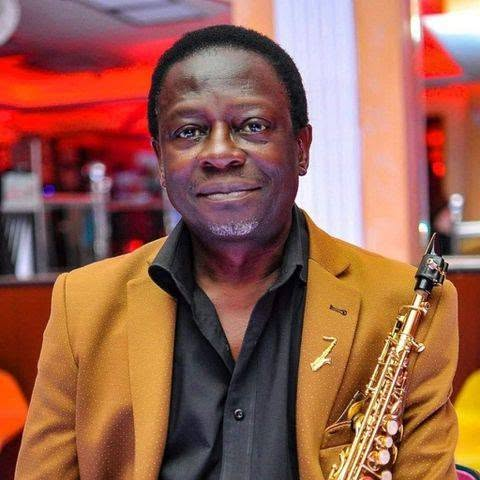
Matovu’s story cannot be confined to a single profession. Afrigo Band made him a national cultural figure, but football shaped his early life and remained one of his strongest interests.
He belonged to two institutions that became important parts of Uganda’s identity: Afrigo Band in music and SC Villa in football. Both required resilience, collective responsibility, and the ability to survive difficult periods without losing their character.
His journey also shows how sport can influence leadership beyond the field. The teamwork he learned through football was visible in the way he guided musicians and maintained standards within Afrigo.
Final Thoughts
Moses Matovu leaves a legacy that reaches beyond the stage, studio and saxophone. He was a footballer who represented several Ugandan clubs, a loyal SC Villa supporter and a trustee who continued serving the game long after retiring.
At the same time, he helped build Afrigo Band into one of Uganda’s most enduring cultural institutions. Remembering both sides of his life provides a fuller picture of a man whose influence was felt in dressing rooms, boardrooms and music venues across the country.