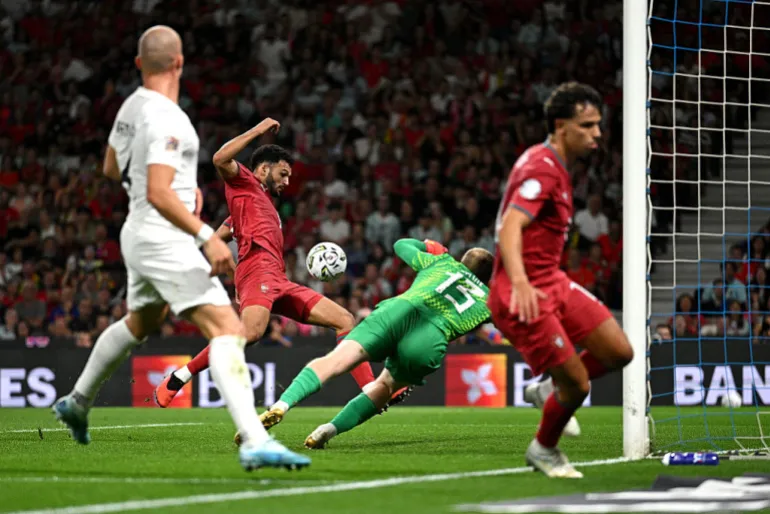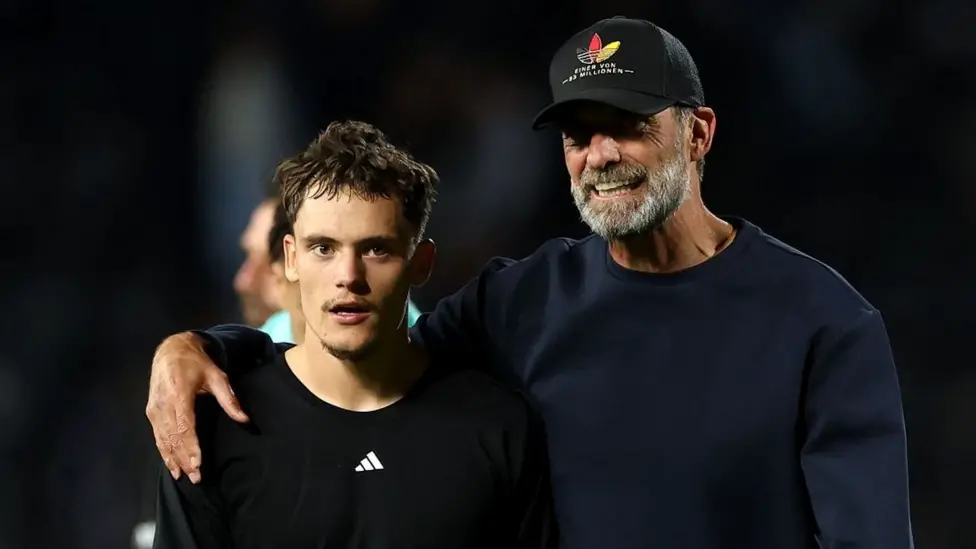
Germany dominated possession but were held to a goalless Nations League draw by a disciplined Greece team in Thessaloniki.
Germany produced 21 attempts but could not break through Greece’s disciplined defence in a 0-0 UEFA Nations League draw at Toumba Stadium in Thessaloniki.
Jonathan Burkardt had a goal disallowed for handball in the build-up, while Greece goalkeeper Kostas Tzolakis made four saves. The hosts also created two major opportunities.
Greece preserved their unbeaten Group A2 record. Germany completed their first four matches under Jürgen Klopp with one victory, two draws and one defeat, leaving them third on five points.
Greece vs Germany match summary
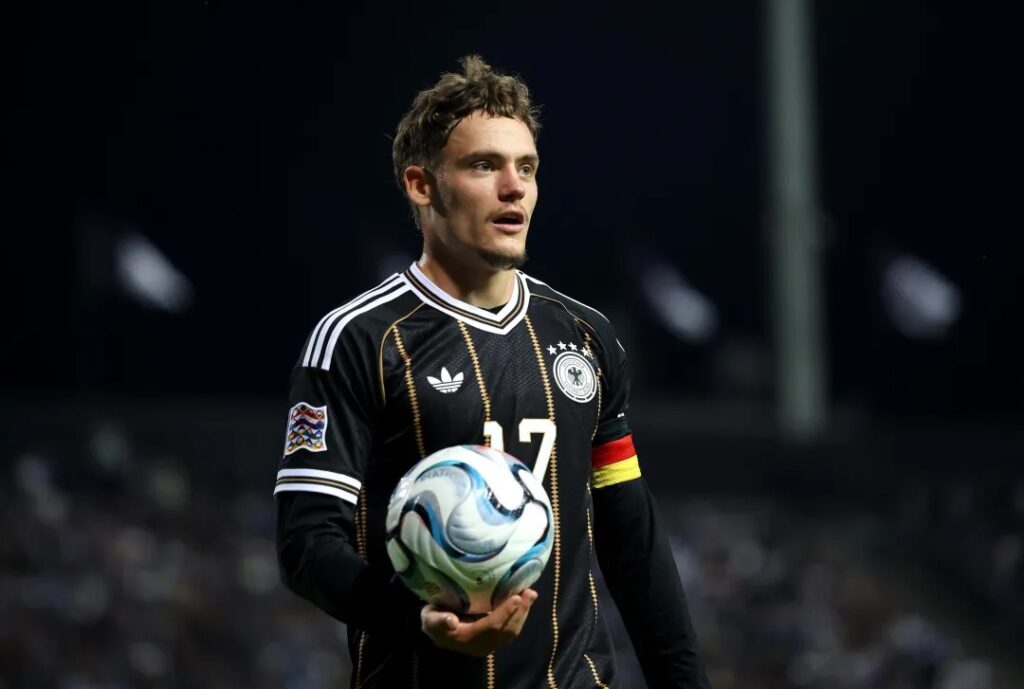
Germany forced Greece into a compact defensive structure. Alexandar Pavlović and Tom Bischof controlled midfield while captain Florian Wirtz searched for space.
Klopp’s team generated 13 first-half attempts but struggled to create clear chances. Greece blocked shots and forced Germany to shoot from distance.
Burkardt found the net, but VAR overturned the goal for handball by Bischof earlier in the move. Greece consequently reached half-time level.
Fotis Ioannidis and Vangelis Pavlidis offered Greece an occasional threat, forcing goalkeeper Jonas Urbig to remain alert.
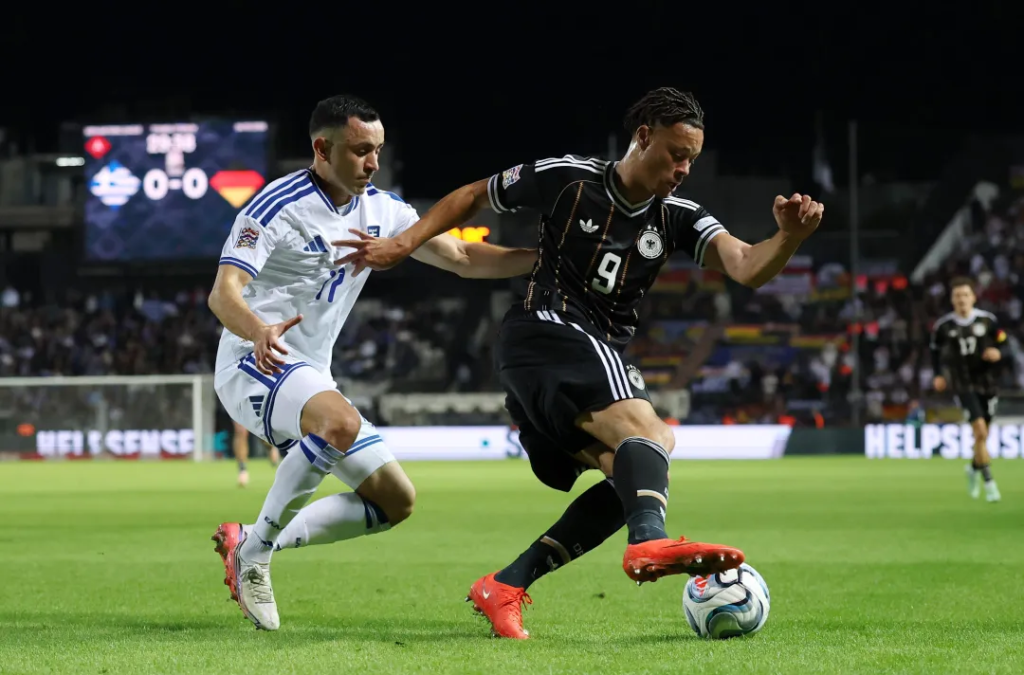
Germany continued pushing after the interval. Wirtz, Lennart Karl and Derry Scherhant tested the home defence, while substitutes Nick Woltemade and Said El Mala added fresh options. Greece protected the clean sheet.
Germany’s possession fails to produce goals
Germany held 70 per cent possession and completed 571 passes to Greece’s 185, but did not create enough high-quality openings.
Only four of Germany’s 21 shots were on target. Eleven attempts came from outside the box, and ESPN recorded no big chances despite Germany making 45 touches in the opposition area.
| Statistic | Greece | Germany |
| Possession | 30% | 70% |
| Total shots | 5 | 21 |
| Shots on target | 2 | 4 |
| Blocked shots | 0 | 7 |
| Big chances created | 2 | 0 |
| Completed passes | 185 | 571 |
| Passing accuracy | 69% | 89% |
| Touches in opposition box | 8 | 45 |
| Corners | 2 | 3 |
Germany controlled where the match was played, but Greece created the clearer individual openings.
Greece show organisation and resilience
Ivan Jovanović’s side maintained short distances between defence and midfield. Konstantinos Koulierakis and Konstantinos Mavropanos dealt with crosses, while Dimitris Kourbelis protected the space ahead.
Tzolakis provided calm goalkeeping, while Ioannidis and Pavlidis offered outlets when Greece recovered possession.
Greece earned four points from Germany after winning the reverse fixture 1-0. That head-to-head advantage could become important if the two countries finish level on points.
Their performance demonstrated that defending deeply does not have to mean defending poorly. Greece remained compact, protected the middle of the pitch and waited for suitable counterattacking opportunities.
Klopp’s Germany project remains unfinished
Germany pressed effectively, while young players including Karl, Bischof and Scherhant gained valuable senior experience.
However, Germany moved the ball around Greece’s defensive block without consistently producing precise final passes or composed finishing. Greece frequently surrounded Wirtz before he could create decisive openings.
Klopp has collected five points from four matches. Germany therefore require stronger results against Serbia and the Netherlands in November.
The coach may welcome the opportunity to recall more established players for those decisive fixtures. Germany’s youthful selection displayed energy, but experience and greater composure could be required when opponents defend as compactly as Greece did.
What the result means for Group A2
Greece and the Netherlands ended the round on eight points, three ahead of Germany. Greece also hold the head-to-head advantage after collecting four points from their two matches against Klopp’s side.
Germany have two fixtures remaining, but their margin for error is small. Victories over Serbia and the Netherlands may be required to keep their quarter-final hopes alive.
Greece, meanwhile, remain in a strong position after navigating their first four matches without defeat. Their defensive discipline has given them a realistic opportunity to progress from their maiden campaign in the Nations League’s top division.
What it means for Ugandan supporters
For Ugandan supporters following Germany and Klopp, the match showed that possession and shot volume do not guarantee victory.
Germany controlled the ball but failed to create enough clear chances. Returning established players could improve their attack in November, but Klopp must also develop better methods of breaking down teams that defend close to their penalty area.
The match also featured several players who are followed through European club football, including Wirtz, Pavlović, Mavropanos and Tsimikas. Their club form before the November international break could influence future selections.
Frequently asked questions
What was the Greece vs Germany score?
The Nations League match ended 0-0 at Toumba Stadium in Thessaloniki.
Why was Germany’s goal disallowed?
Burkardt’s goal was overturned after VAR identified a handball by Bischof during the build-up.
Who dominated the match statistics?
Germany controlled 70 per cent possession and attempted 21 shots, but only four were on target. Greece created two big chances despite having less possession.
Can Germany still qualify for the quarter-finals?
Yes, but Germany need positive results against Serbia and the Netherlands and may also depend on other Group A2 results.
Follow Nations League football on Bangbet Uganda
Visit Bangbet Uganda to check forthcoming fixtures and current offers. Participation is strictly for adults aged 25 and above. Gambling involves financial risk, so treat it as entertainment, set time and money limits, avoid chasing losses, and stop if gambling becomes difficult to control. Read the Bangbet Uganda responsible gambling guide for safer-play information.
Conclusion
Germany dominated almost every possession statistic but lacked the precision required to defeat a disciplined Greece team. The disallowed Burkardt goal increased their frustration, while Tzolakis and the home defence earned a valuable clean sheet.
Greece remain unbeaten and well positioned in Group A2. Germany’s young team displayed energy and control, but Klopp must develop a more effective attacking formula before the decisive November fixtures.