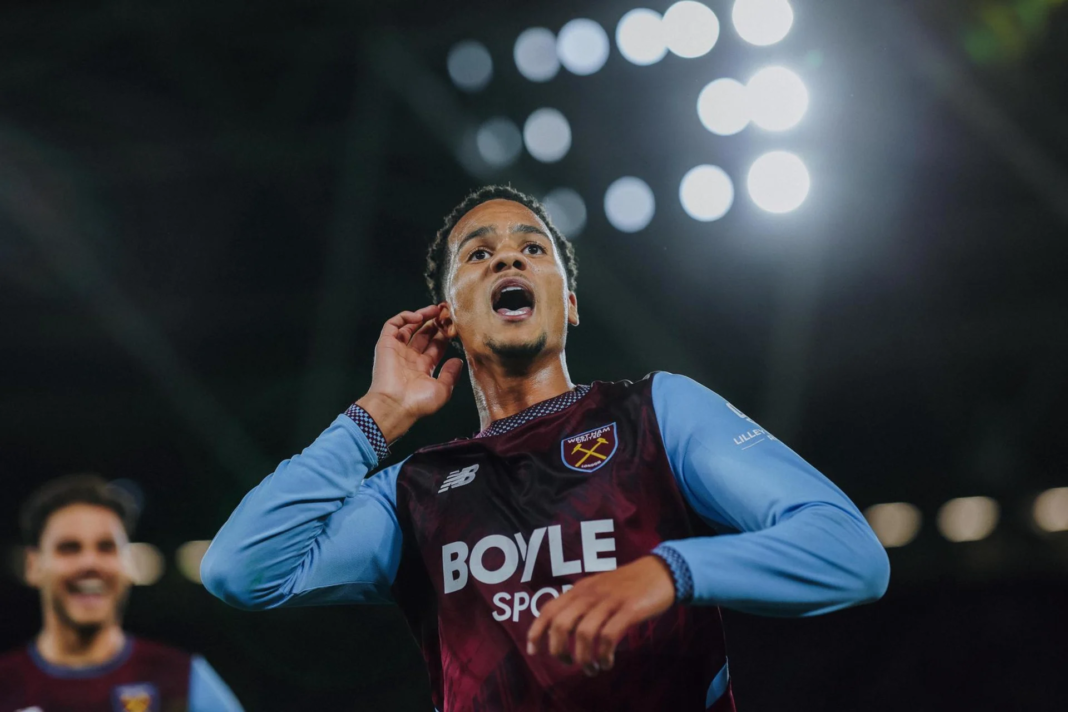
Uganda has recruited several diaspora footballers, but AFCON 2027 demands a clearer FUFA strategy for identifying and attracting eligible talent.
Uganda has increasingly looked beyond its borders for footballers capable of strengthening the national team. Players raised in Europe and elsewhere have joined the Uganda Cranes, but the approach still appears more reactive than systematic.
With Uganda preparing to co-host the 2027 Africa Cup of Nations alongside Kenya and Tanzania, the debate is no longer whether diaspora players should be considered. The bigger question is whether the Federation of Uganda Football Associations has established a clear, properly funded and sustainable recruitment programme.
Diaspora recruitment cannot replace football development at home. However, when combined with strong academies, better coaching and competitive domestic leagues, it can widen the national team’s talent pool.
Modern International Football Extends Beyond Borders
Migration has created generations of footballers who are eligible to represent more than one country. Some were born abroad to Ugandan parents, while others may have a connection through a parent or grandparent.
This has changed how national associations build their teams. Countries including Morocco, Senegal, Algeria, Tunisia, Nigeria and DR Congo have developed scouting networks that track eligible footballers from youth level.
Morocco provides a particularly important example. Its historic run to the 2022 FIFA World Cup semi-finals was supported by a deliberate effort to connect with players of Moroccan heritage developed in European football systems.
The lesson for Uganda is not simply to copy another country’s squad. It is to establish a permanent structure that identifies players early, confirms their eligibility and builds relationships before competing associations make their approach.

Uganda Has Already Benefited From Diaspora Talent
FUFA’s recruitment work has produced results. Elio Capradossi, Jordan Obita, Toby Sibbick, Bevis Mugabi, Elvis Bwomono, Uche Ikpeazu, Melvyn Lorenzen and Baba Alhassan are among the footballers raised or developed outside Uganda who have represented the Cranes.
Several have added qualities developed in competitive professional environments, including tactical awareness, physical preparation and experience of high-pressure football.
The official Uganda Cranes squad for the 2025 Africa Cup of Nations demonstrated how overseas-developed players can complement footballers produced through Uganda’s domestic pathway.
However, the arrivals have often appeared isolated. Uganda needs a transparent system showing how players are discovered, assessed, contacted and guided through nationality or change-of-association procedures.
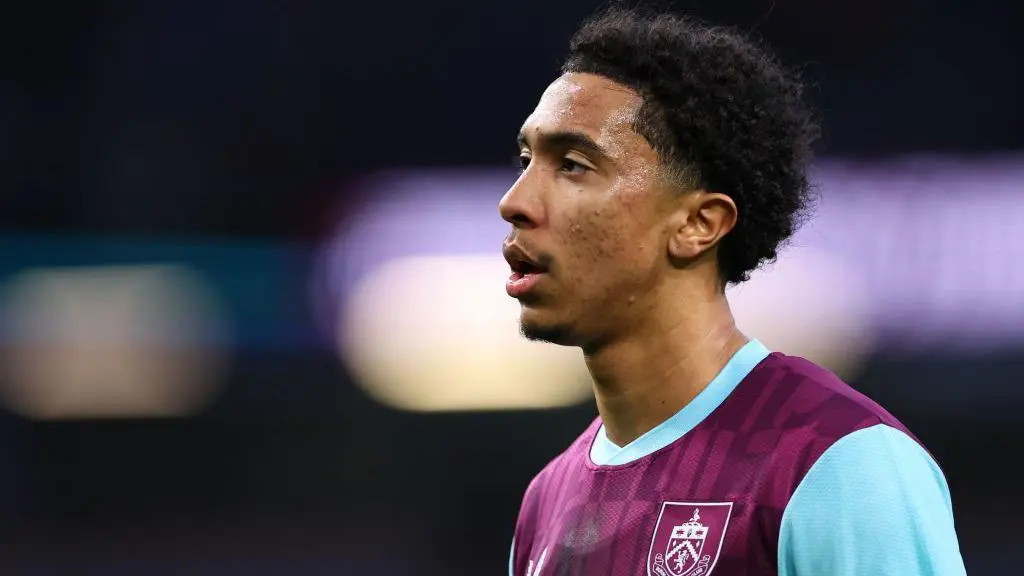
Players Reportedly Connected to Uganda
The original Kawowo Sports analysis highlighted several footballers reported to have Ugandan family roots or another connection to the country.
Among them is Divine Mukasa, the England-born attacking player who has represented England at youth level. His development in Manchester City’s system makes him one of the most closely watched names linked with Uganda.
Defender Bashir Humphreys has also represented England at youth level, while Ryan Kavuma has progressed through Chelsea’s academy and featured for England in junior categories.
Other names raised include Norway-born forward Moses Mawa, goalkeeper Akpan Udoh, defender Robin Østrøm, Souleyman Diaby, Ben Hamed Touré, Caylan Vickers, Arnold Vula and Ovie Ejeheri.
These reported connections should not automatically be treated as confirmation that every player can represent Uganda. Eligibility must be established through nationality, ancestry or qualifying residence, while some players may require formal approval to change association.
FIFA’s updated eligibility guidance explains that nationality may not be enough in every case. A player can also be required to demonstrate a genuine connection through birth, descent or residence.
FUFA must therefore conduct legal and documentary checks before publicly identifying any footballer as available for the Cranes.
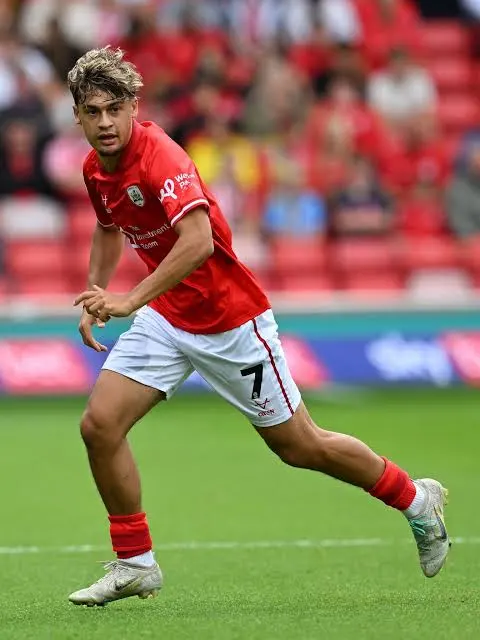
Why Early Contact Matters
Waiting until a player reaches senior level makes recruitment more difficult. By that stage, the player may be close to another national association, surrounded by commercial advisers or unwilling to abandon an established international pathway.
FUFA needs to begin conversations while players are still progressing through academies. Early engagement should explain Uganda’s football project, the player’s potential pathway and the importance of representing the country.
The approach should remain respectful. A player must never be pressured into an international decision purely through public campaigns, promises, or emotional appeals.
Regular communication with players and their families is more valuable than a hurried approach shortly before a tournament.
What a Strong FUFA Diaspora Programme Requires
A credible strategy should include a verified database of eligible players, regional scouts, legal support, and regular communication with clubs and families.
FUFA should also publish general information about the programme without exposing confidential discussions. Clear reporting would help supporters understand how public resources are being used and how players are evaluated.
The technical team must remain responsible for selection. A player should not enter the Cranes squad simply because he was developed abroad. Current form, fitness, positional need and commitment must remain central considerations.
The programme should also cover women’s and youth football. Identifying players for the Cubs, Hippos, Queen Cranes and Crested Cranes would allow Uganda to build relationships before senior international decisions become urgent.

What it means for Supporters
For Ugandan supporters, this discussion is about more than famous club names. It concerns the type of national team the country wants to present when Africa arrives for AFCON 2027.
A stronger diaspora network could give the Cranes more competition in positions where options are limited. It could also connect young Ugandans living abroad with the country’s football identity.
That must not come at the expense of local players. Investment in school football, regional competitions, academies, coaching and the Uganda Premier League remains essential. The strongest approach is to develop talent at home while tracking qualified players abroad.
Uganda’s 1978 AFCON finalists were locally based, but football has changed considerably since that achievement. Modern national teams draw talent from several leagues and development systems. Uganda must respond to that reality without neglecting its domestic foundation.
Follow Uganda Football on Bangbet
Eligible supporters can visit Bangbet Uganda to explore available football fixtures and markets covering selected local and international competitions.
Bangbet is available only to people aged 25 and above in Uganda. Gambling involves financial risk and should be treated as entertainment, not as a source of income. Avoid chasing losses and stop if gambling becomes difficult to control.
Conclusion
FUFA deserves credit for bringing several overseas-developed footballers into the Uganda Cranes setup. Those players show that the diaspora can make a meaningful contribution to the national team.
However, occasional recruitment is not enough. Uganda needs a coordinated programme supported by reliable scouting, verified eligibility checks, early engagement, and proper accountability.
AFCON 2027 presents an opportunity to accelerate that work, but the project must extend beyond one tournament. FUFA’s long-term objective should be clear: develop players across Uganda, connect with eligible talent abroad, and select the best footballers on merit.
Until that structure becomes visible and consistent, the answer remains that FUFA has made progress, but has not yet done enough.