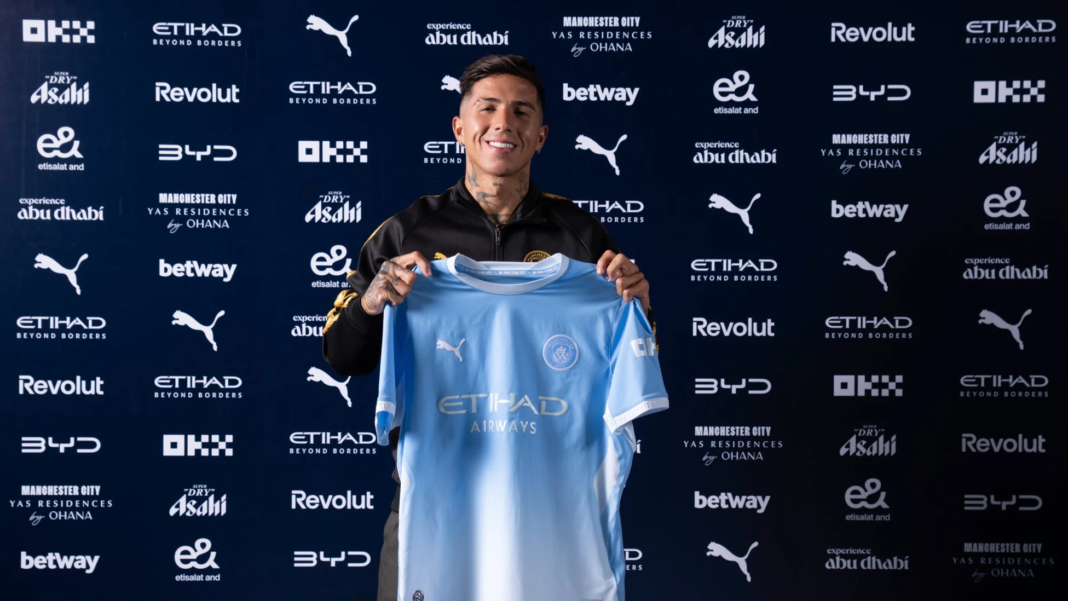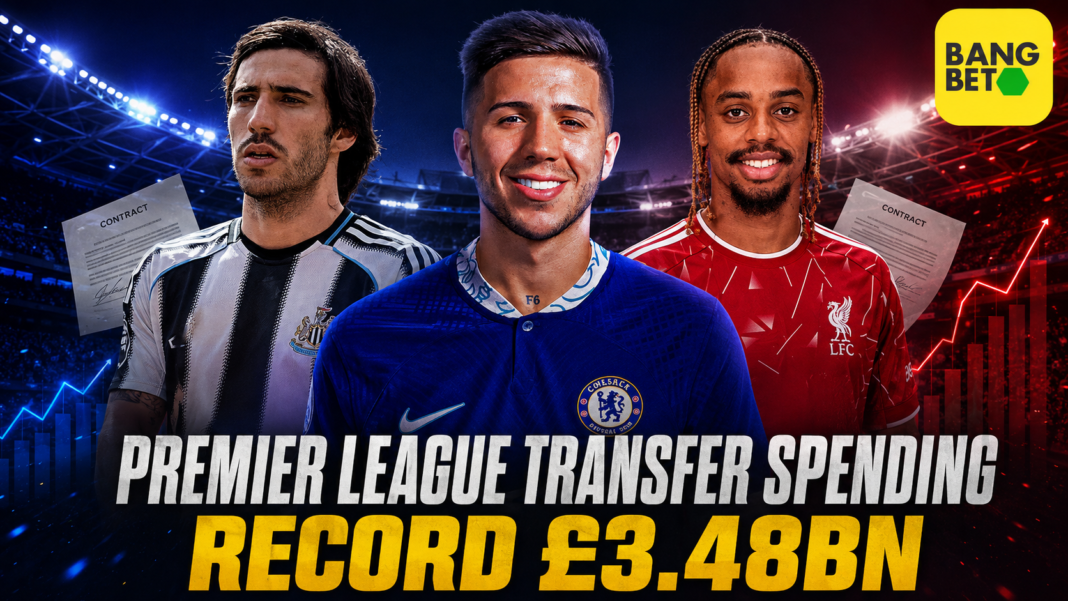
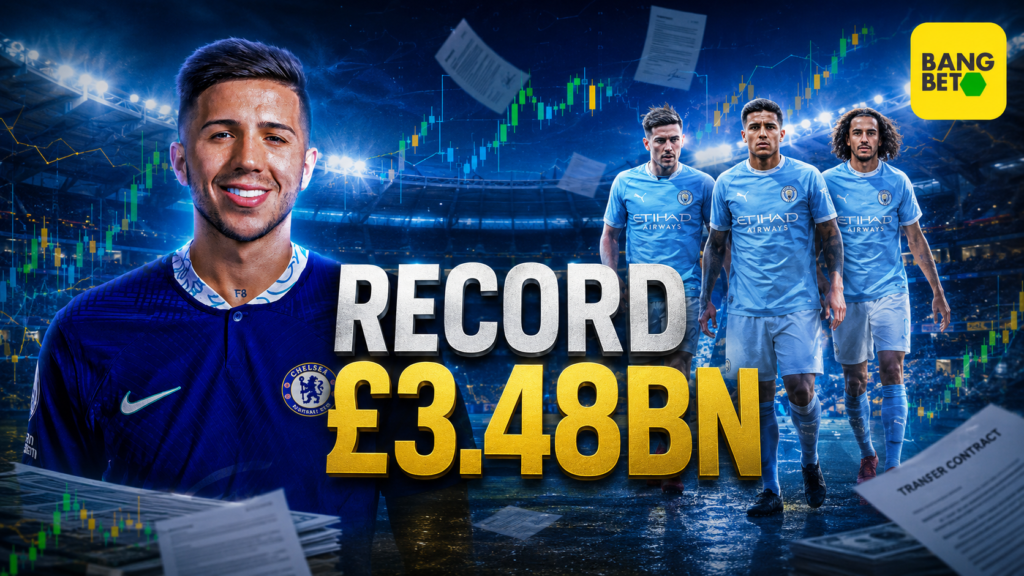
Premier League clubs spent a record £3.48bn in the 2026 summer transfer window, with Manchester City leading an extraordinary recruitment drive.
According to Sky Sports’ transfer analysis, the total surpassed the previous record of £3.19bn, set last summer. England’s top-flight clubs have now spent more than £2bn in each of the past five summer windows.
Clubs also generated £2.17bn from player sales, leaving a combined net spend of £1.30bn. The huge sales figure shows that the window was defined by movement in both directions, with teams selling aggressively to finance rebuilds and reshape their squads.
For Premier League followers in Uganda, the window delivered new stars, major departures and months of debate. Transfer speculation is now over, however, and every expensive decision must be justified through performances and results.
Premier League Transfer Window in Figures
| Category | Sky Sports figure |
| Total spending | £3.48bn |
| Previous record | £3.19bn |
| Income from player sales | £2.17bn |
| Combined net spend | £1.30bn |
| Deals worth £50m or more | 20 |
| Highest-spending club | Manchester City: £440.3m |
Manchester City Lead with £440.3m Spending
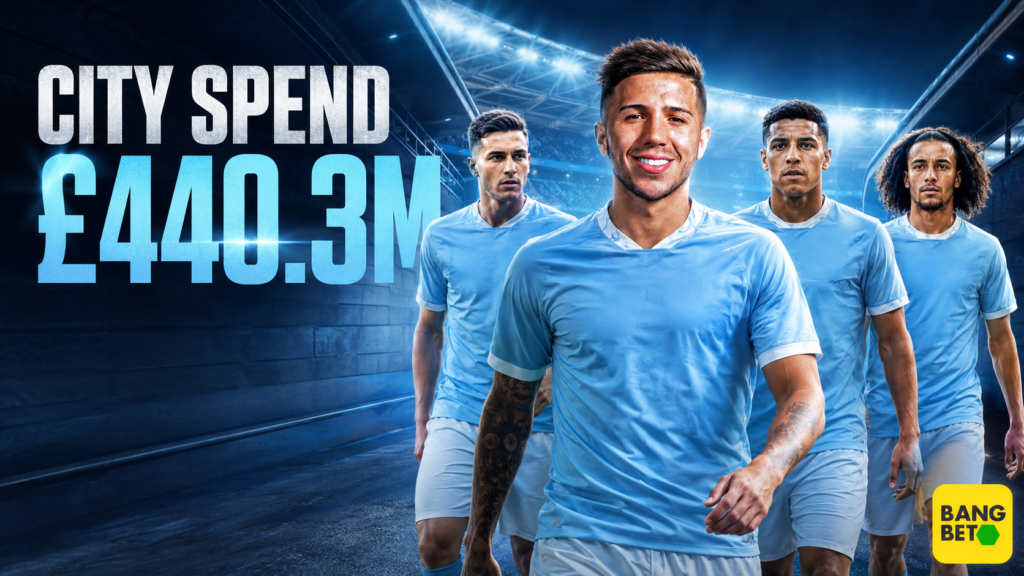
Manchester City were the biggest spenders after committing £440.3m to new signings. Their headline deal was Enzo-fernandez’s £125m arrival from Chelsea, matching the Premier League record set when Alexander Isak joined Liverpool from Newcastle last summer.
City also paid £116m for Elliot Anderson, recruited highly rated Lille midfielder Ayyoub Bouaddi and added Senegal forward Iliman Ndiaye from Everton. The combination of Premier League experience and young talent suggests that City are seeking immediate success while building for future seasons.
Their gross spending tells only part of the story. Sky Sports reported that City brought in approximately £315m through sales. Even so, Enzo Maresca faces enormous pressure to turn a costly collection of individuals into a balanced side. Transfer fees can purchase talent, but they cannot guarantee chemistry or trophies.
Chelsea Spend £342.4m but Make a Profit
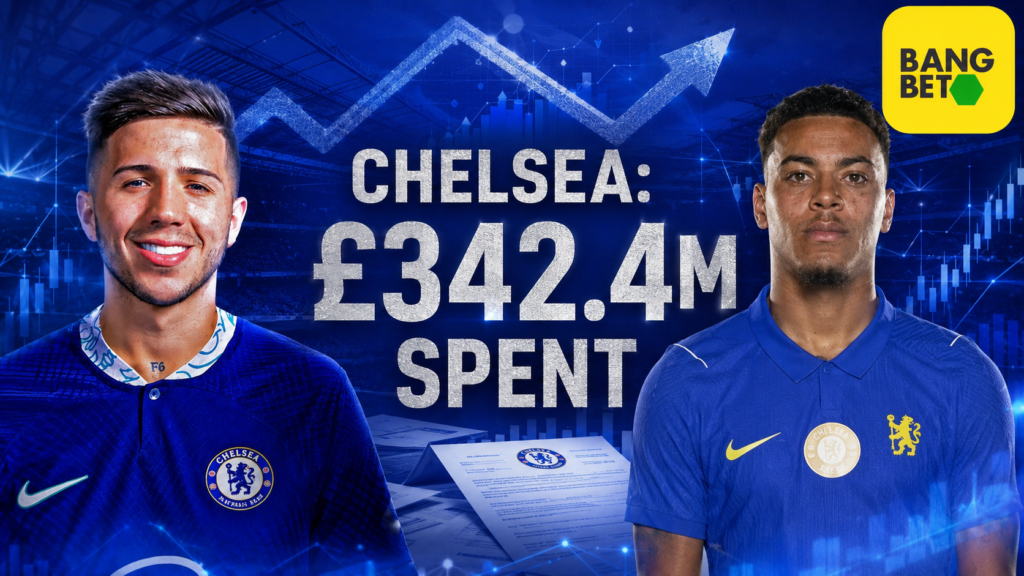
Chelsea ranked second with £342.4m in purchases. Morgan Rogers’ £117m move from Aston Villa was their largest deal and one of the five most expensive transfers in Premier League history.
Remarkably, Chelsea still finished the window in profit after generating £409.7m from sales. Their £67.3m surplus shows how a club can invest heavily while maintaining a positive transfer balance by moving valuable players in the opposite direction.
Tottenham, Newcastle and Liverpool Make Major Moves
Tottenham were the third-highest spenders at £334m. Their rebuild was led by Sandro Tonali’s £100m switch from Newcastle, while their net expenditure reached £176m, the third-highest total in the division. Such investment should improve depth, but it also demands a rapid rise in performances.
Newcastle spent £275.2m after losing Tonali, Bruno Guimaraes and Anthony Gordon. Matias Fernandez-Pardo arrived from Lille as part of a wide-ranging reconstruction. Although the sales provided major income, replacing the ability and influence of three established players will test the new squad.
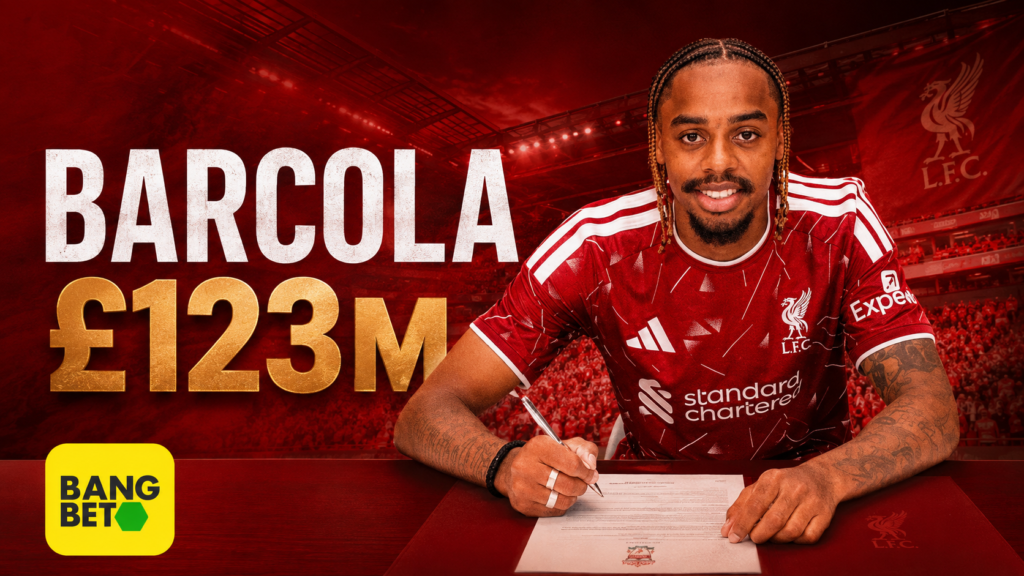
Liverpool recorded the league’s highest net spend at £219.4m. Bradley Barcola joined from Paris Saint-Germain for £123m, making him the summer’s second-most expensive arrival behind Fernandez. His pace, movement and one-against-one ability can strengthen Liverpool’s attack, but the fee guarantees intense scrutiny.
Arsenal, Ipswich and Manchester United Invest
Ipswich posted the second-highest net spend at £190.7m and completed 16 permanent signings. That is an extraordinary commitment from a promoted club trying to survive in the Premier League.
Champions Arsenal recorded a £136.6m net spend and added Bruno Guimaraes from Newcastle. However, their attempt to recruit Atletico Madrid forward Julian Alvarez failed. If the Gunners struggle for goals during the title defence, the missed opportunity will return to the discussion.
Manchester United strengthened their midfield with Carlos Baleba but failed to obtain the specialist left-back many supporters wanted. Everton brought Jack Grealish back on loan, although a proposed move for Monaco striker Folarin Balogun collapsed.

Premier League Extends Financial Lead over Europe
No other major European league approached England’s expenditure. Serie A clubs spent £843.6m, LaLiga £603.5m, the Bundesliga £507.6m and Ligue 1 £490.6m. The Premier League therefore spent approximately four times as much as Serie A and more than those four leagues combined.
Sales provide important context. Ligue 1 recovered £957.6m and generated a £467m transfer profit, confirming French football’s role as a producer and exporter of talent. Serie A registered the largest net spend outside England at £266.4m.
Why Premier League Spending Continues to Rise
Premier League clubs benefit from lucrative domestic and international broadcasting deals, major commercial operations and the competition’s global popularity. Every side also faces pressure: title challengers fear falling behind, European contenders require deeper squads and promoted teams spend to protect the enormous value of survival.
Financial rules have not stopped investment, but they have encouraged more selling. This helps explain why gross spending reached £3.48bn while net spending was £1.30bn. Instalments and long contracts may distribute accounting costs over several years, but the financial commitments must still be met.
What the Record Window Means for Uganda
The Premier League is deeply woven into Uganda’s sporting culture. In Kampala, Jinja, Mbale, Gulu, Mbarara and other towns, supporters follow transfer updates on television, radio, websites and social media before debating their clubs at workplaces, universities and trading centres.
This window gives Ugandan fans fresh questions. Can Fernandez control City’s midfield? Will Barcola justify Liverpool’s investment? Can Chelsea cope after selling Fernandez? Will Tottenham’s £334m rebuild deliver progress, and can Arsenal’s additions help retain the title?
There is also a lesson for Ugandan football. Premier League budgets cannot be compared with those in the Uganda Premier League, but the recruitment principle is universal: scouting, tactical suitability, coaching and player development matter more than headlines. Spending helps only when the right footballers are selected and properly integrated.
Follow the Premier League with Bangbet Uganda
Ugandan football followers aged 25 and above can visit Bangbet Uganda to explore available pre-match and live markets during the 2026/27 Premier League season.
New signings can affect expectations, but no transfer fee guarantees a result. Gambling involves financial risk and should be treated only as entertainment, not income. Set firm time and spending limits, avoid chasing losses and stop if betting becomes difficult to control.
Conclusion
The record £3.48bn summer confirmed the Premier League as football’s dominant transfer market. Manchester City led with £440.3m in purchases, Chelsea spent £342.4m but made a profit, Tottenham committed £334m, and Liverpool recorded the highest net spend.
However, matches are not decided by transfer accounts. Tactical fit, fitness, coaching and consistency will determine whether the investment succeeds. For Ugandan supporters, the window supplied excitement and debate; the pitch must now reveal which clubs spent intelligently and which simply spent heavily.