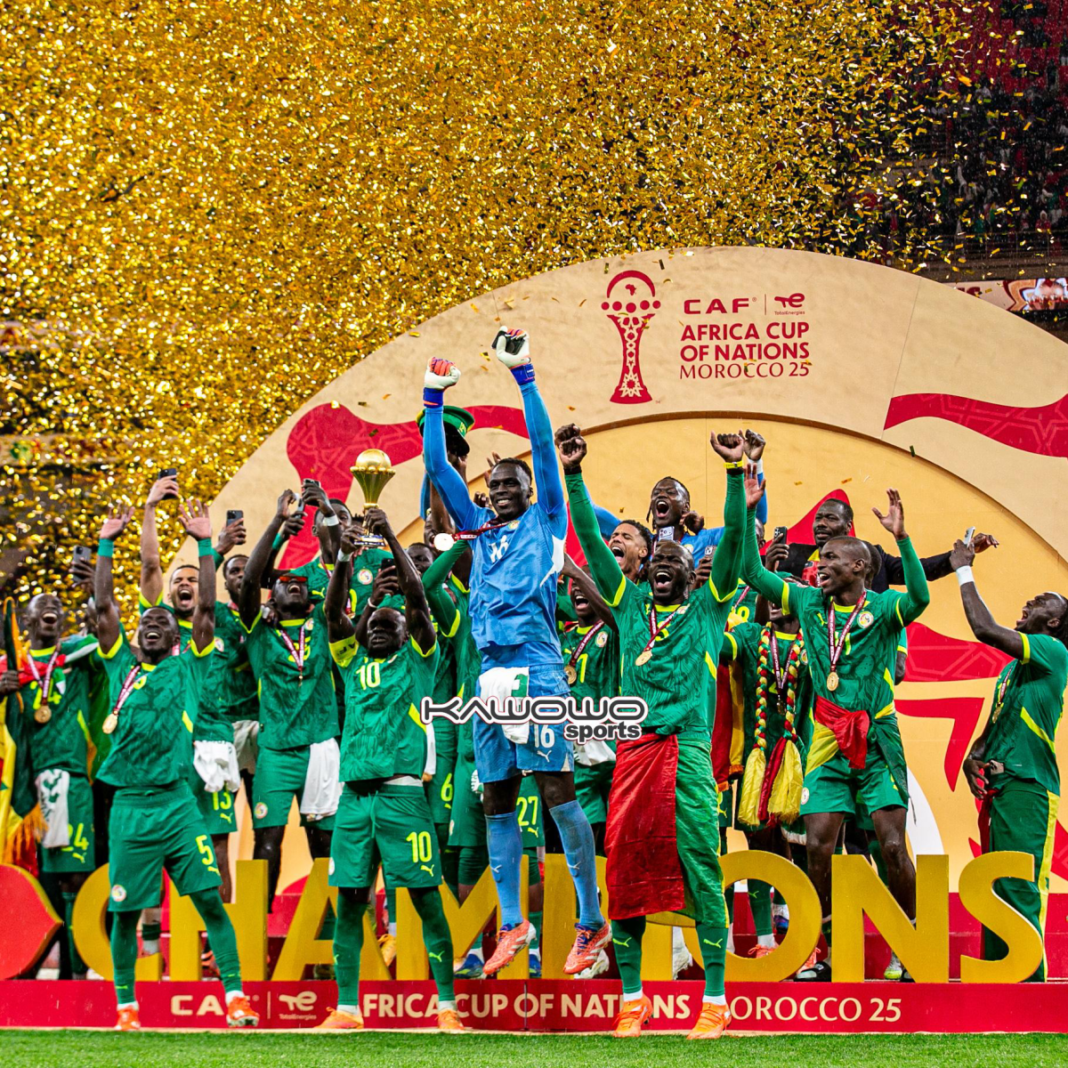
CAF has restored AFCON’s two-year cycle, naming editions in 2027, 2028, 2031, and 2033. Here is what the decision means for Uganda.
The Africa Cup of Nations will return to a two-year cycle after CAF reversed its previous decision to move the tournament to a four-year schedule.
For Uganda, the announcement keeps preparations for a home tournament in 2027 firmly in focus while changing the longer-term outlook for the Cranes and African football.
CAF’s Executive Committee unanimously approved the reversal on Thursday, October 29. Its announcement identifies the next editions as 2027, 2028, 2031 and 2033.
That sequence requires attention: although CAF has restored the biennial principle, the announced transition does not follow uninterrupted two-year intervals.
The official CAF statement confirms that Kenya, Tanzania and Uganda remain hosts of the next tournament.
What Has CAF Changed?
The decision reverses the four-year model announced in December 2025.
Under that earlier proposal, AFCON would have moved to a four-year cycle after the 2028 edition, with a proposed Africa Nations League providing an alternative competition.
Kawowo Sports’ report on the reversal confirms that CAF has now returned to holding its flagship national-team tournament every two years.
This concerns the frequency of the tournament. It should not be read as an announcement of new group-stage rules, an expanded field, or changes to Uganda’s hosting status.
For supporters, the immediate takeaway is straightforward: AFCON retains a more frequent place in the continental calendar.
The Announced AFCON Calendar
CAF has named the following editions:
| Edition | Announced position |
| 2027 | Kenya, Tanzania and Uganda will co-host |
| 2028 | Retained in the revised sequence |
| 2031 | Next edition listed after 2028 |
| 2033 | Follows 2031 by two years |
CAF linked the gap before 2031 to avoiding the 2030 FIFA World Cup year.
Supporters should therefore follow the specific years CAF has announced rather than calculating future editions solely from the phrase “every two years”.
Detailed qualification schedules and hosting arrangements for later tournaments will require separate announcements.
Why CAF Reconsidered the Four-Year Plan
Financial sustainability was central to the reassessment.
CAF said its proposed Africa Nations League would need several years before generating the resources required to support African competitions and football development.
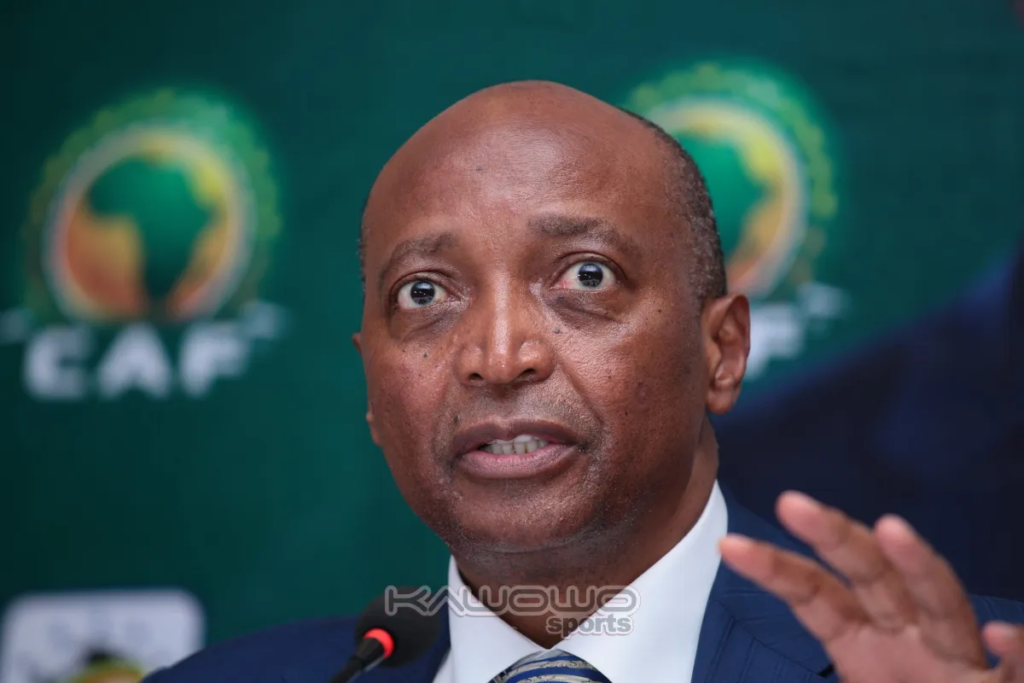
President Patrice Motsepe also identified the interests of CAF’s 54 member associations and African players employed outside the continent among the considerations behind the decision.
The implication is that replacing an established tournament involves more than creating another competition.
A new event must develop broadcasting demand, commercial partnerships and a dependable operating structure. Those take time.
CAF’s explanation places AFCON’s existing role at the centre of the decision. However, the announcement does not establish how much additional funding any individual federation, including FUFA, will receive.
What Changes for Uganda’s AFCON 2027 Plans?
Uganda’s next assignment remains unchanged.
CAF’s Pamoja 2027 tournament guide confirms that the competition will run from June 19 to July 17, 2027, with Kenya, Tanzania and Uganda qualifying automatically as hosts.
It will be the first AFCON staged across three countries.
The calendar reversal does not remove the practical work required to deliver that event.
Uganda still needs dependable matchday operations, clear supporter information and effective coordination between football authorities, venue operators and service providers.
For fans, the value of hosting will be measured through the experience itself: reaching the stadium, entering safely, watching the match and getting home.
What It Means for the Uganda Cranes
A more frequent AFCON can provide additional opportunities for national teams to qualify and compete over a player’s career.
For Uganda, that makes continuity beyond the home tournament important.
The Cranes should aim to carry experience from 2027 into subsequent campaigns, supported by a clear approach to selection, player development and preparation.
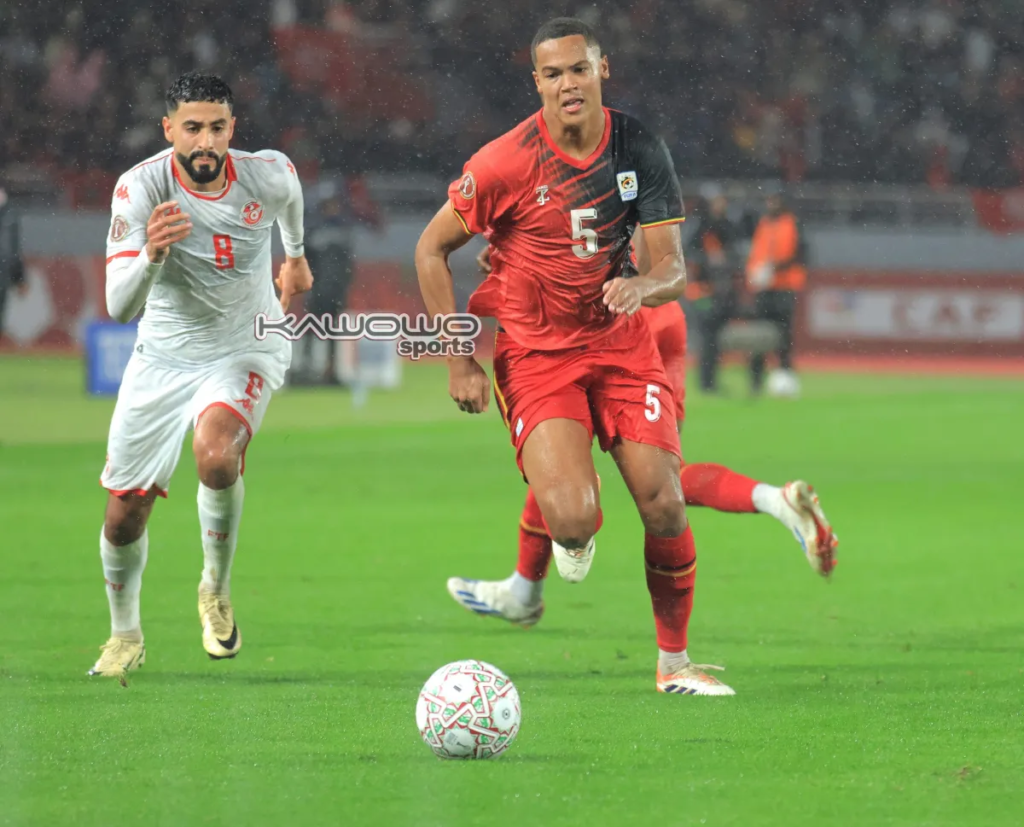
Paul Put has already named a 30-player squad for November’s Botswana fixtures, with Khalid Aucho included for a farewell following his international retirement, according to FUFA’s squad announcement.
Our story on the Uganda Cranes squad and Aucho’s farewell explores that immediate assignment.
Automatic qualification for 2027 gives Uganda certainty of participation. It does not replace the need to build a competitive team or establish qualification requirements for later editions.
A Longer-Term Test for Ugandan Football
The revised calendar strengthens the case for treating AFCON preparations as an ongoing football project.
Facilities developed for major events should remain useful for training, domestic competitions and future internationals.
Our reporting on Blacks Power and Kitara’s Hoima Stadium access changes highlights why access arrangements matter alongside construction.
The suspension of night football at Lugogo also illustrates the importance of reliable operation.
These domestic issues are relevant to the wider ambition. Players develop through regular football, and supporters build confidence through fixtures that are organised consistently.
A successful home AFCON should strengthen those foundations.
What Ugandan Supporters Should Watch Next
Fans in Kampala, Hoima, Jinja, Gulu and Mbarara now have two connected timelines to follow.
The first is immediate: the Cranes’ preparations and official information about attending AFCON 2027.
The second concerns the revised continental calendar, including qualification dates and arrangements for subsequent editions.
Supporters should avoid assuming that the frequency announcement has settled ticket prices, match venues or future qualification formats.
For local businesses considering tournament-related services, the same distinction matters. Planning should follow confirmed fixtures and operational information rather than expectations alone.
Frequently Asked Questions
Will AFCON take place every two years again?
Yes. CAF’s Executive Committee unanimously restored the two-year principle on October 29, 2026.
Which editions has CAF announced?
CAF listed tournaments in 2027, 2028, 2031, and 2033.
Is Uganda still hosting AFCON 2027?
Yes. Uganda remains a co-host alongside Kenya and Tanzania.
Must Uganda qualify for the 2027 finals?
No. Uganda has an automatic place as a host nation, although the Cranes participate in the qualifying campaign.
Follow African Football With Bangbet Uganda
Supporters aged 25+ only can explore available football markets on Bangbet Uganda after checking fixtures, market rules, and terms. Gambling involves financial risk. Treat it as entertainment, set time and money limits, never borrow or chase losses, and contact Bangbet customer support if control becomes difficult.
Verdict
CAF’s reversal restores AFCON’s more frequent place in African football while preserving Uganda’s historic hosting opportunity in 2027.
For Uganda, the priority is to prepare a competitive Cranes team and deliver a tournament experience that benefits supporters. The strongest legacy would be facilities, organisation and player development that continue serving football well beyond the final whistle.