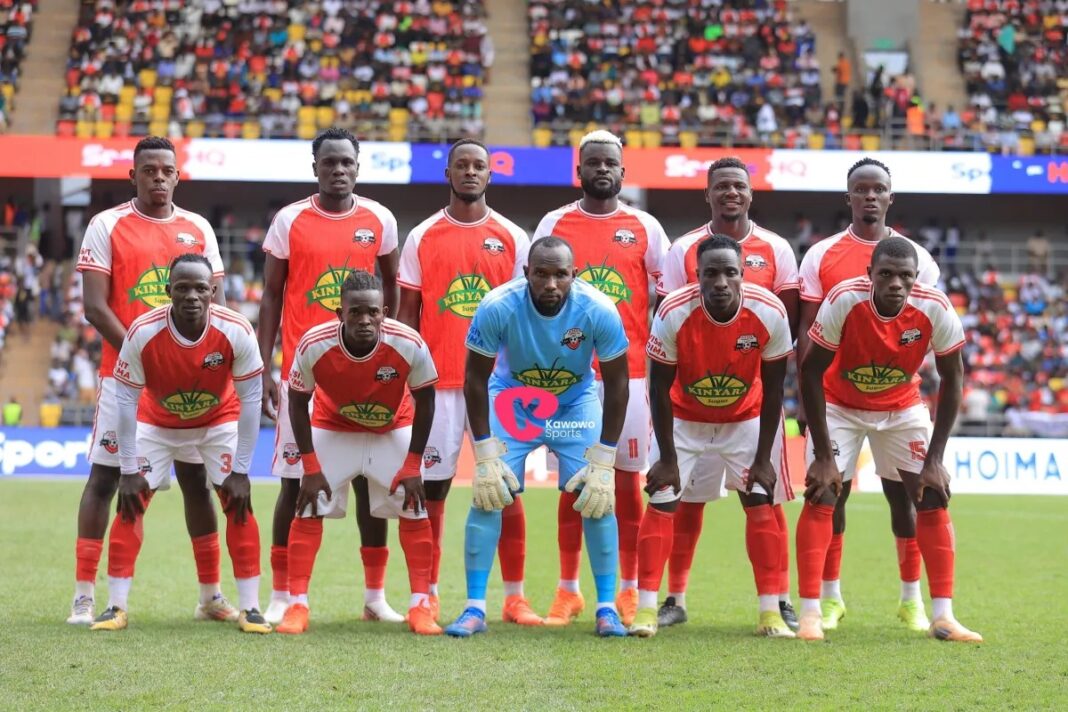
Kitara lost 2–1 to Al Ahly in Hoima despite Gadaffi Wahab’s opener. Read the match analysis and what Uganda’s representatives need in Cairo.
Kitara gave their supporters reason to dream before Al Ahly overturned a first-half deficit to win 2–1 at Hoima City Stadium on Saturday, 17 October. Gadaffi Wahab’s opener put Uganda’s representatives ahead, but second-half goals from Omar Al-Saai and Ahmed Sayed Zizo changed the direction of their CAF Confederations Cup tie.
The result leaves Kitara chasing a one-goal deficit before the return leg in Cairo on 25 October. Their continental campaign remains alive, although finishing the job now requires an exceptional away performance. CAF’s official match report confirms the comeback and return date.
Kitara vs Al Ahly: Match Summary
| Match detail | Information |
| Competition | CAF Confederation Cup |
| Round | Second preliminary round, first leg |
| Venue | Hoima City Stadium, Uganda |
| Date | 17 October 2026 |
| Result | Kitara 1–2 Al Ahly |
| Kitara scorer | Gadaffi Wahab |
| Al Ahly scorers | Omar Al-Saai, Ahmed Sayed Zizo |
| Return leg | 25 October, Cairo |
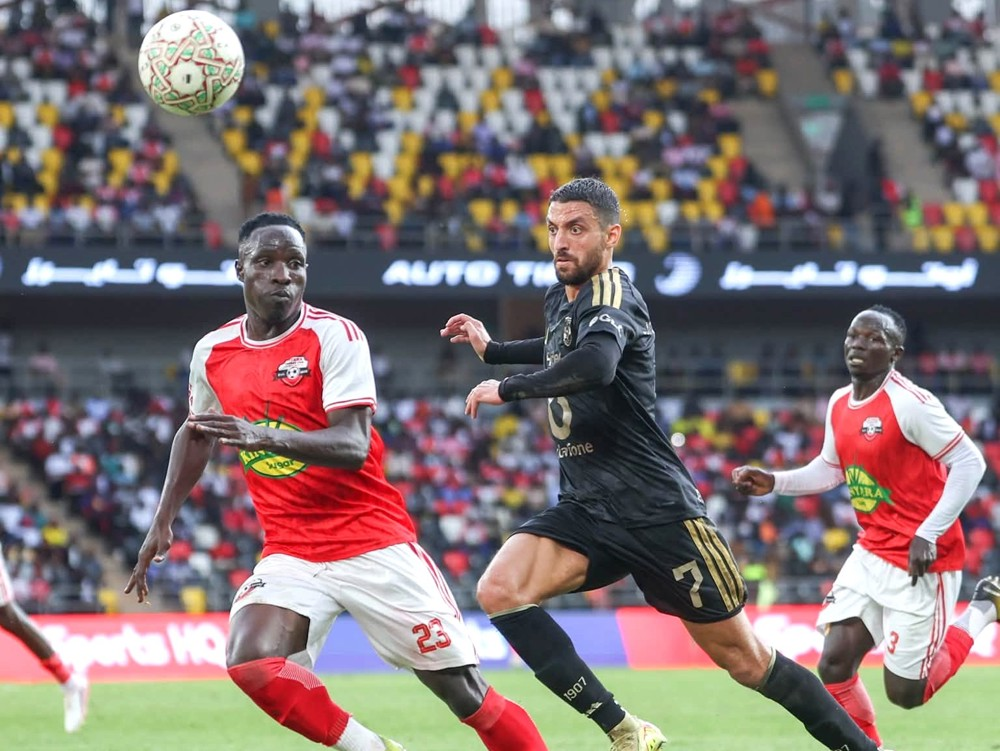
Wahab Gives Hoima a Moment to Celebrate
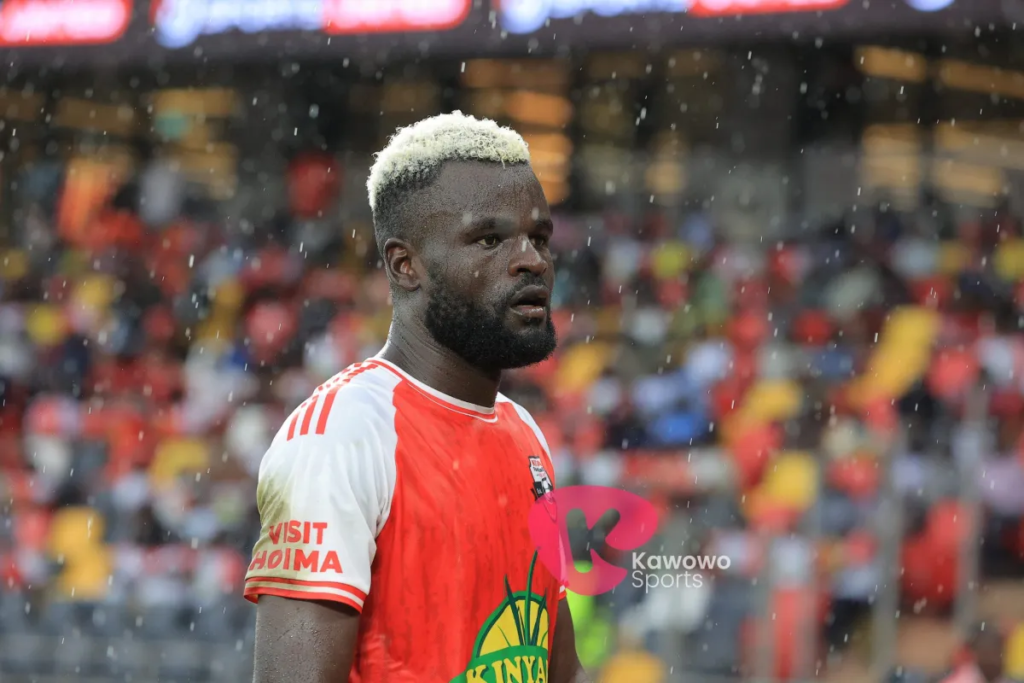
Kitara’s breakthrough came around the half-hour mark when Martin Kizza supplied a cross, and Wahab finished from close range. It was the decisive attacking contribution of a first half that ended with the hosts protecting a precious advantage.
Conditions added another challenge. An afternoon downpour left the match being played in wet weather, demanding concentration from defenders and clean execution around both penalty areas.
For the Hoima crowd, Wahab’s goal briefly transformed the occasion. Kitara had something tangible to defend, while their visitors faced the pressure of finding a response.
Al Ahly’s Changes Shift the Contest
Al Ahly’s own report describes an opening period in which they controlled possession but encountered a compact Kitara defence. Hussein El-Shahat and Mohamed Magdi Afsha were involved in unsuccessful attempts as the visitors searched for an opening.
The turning point followed changes after the interval. Zizo, Soufiane Benjdida and Tawfik Mohamed entered, giving Al Ahly fresh attacking options.
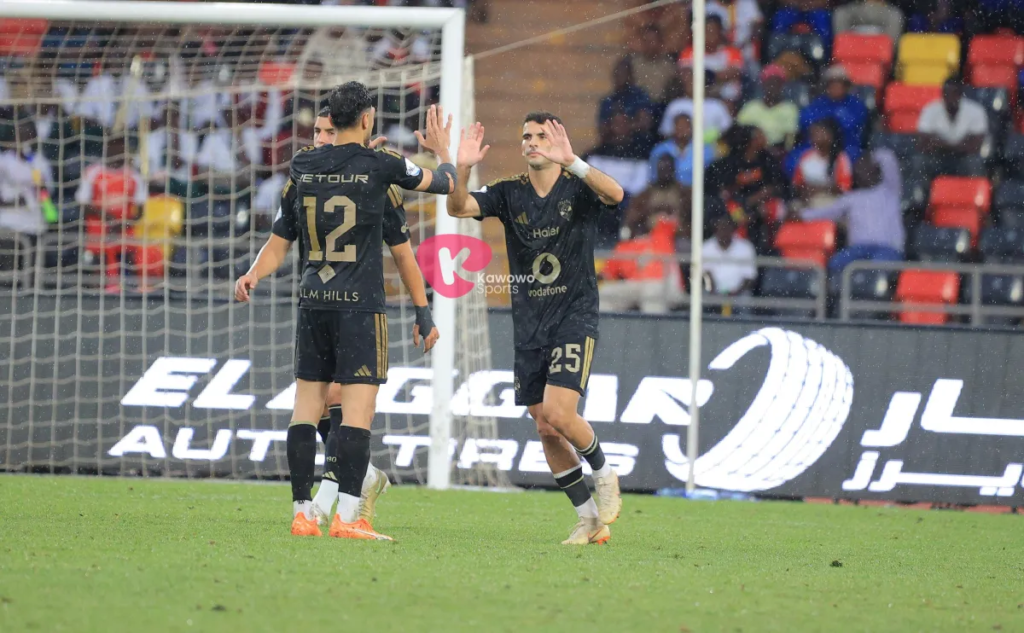
Al-Saai subsequently equalised from inside the penalty area. Later, Akram Tawfik was fouled, and Zizo converted the resulting penalty to complete the turnaround.
According to Al Ahly’s official match account, the visitors then made further late substitutions before securing their advantage. Their bench had helped turn an uncomfortable assignment into a valuable away victory.
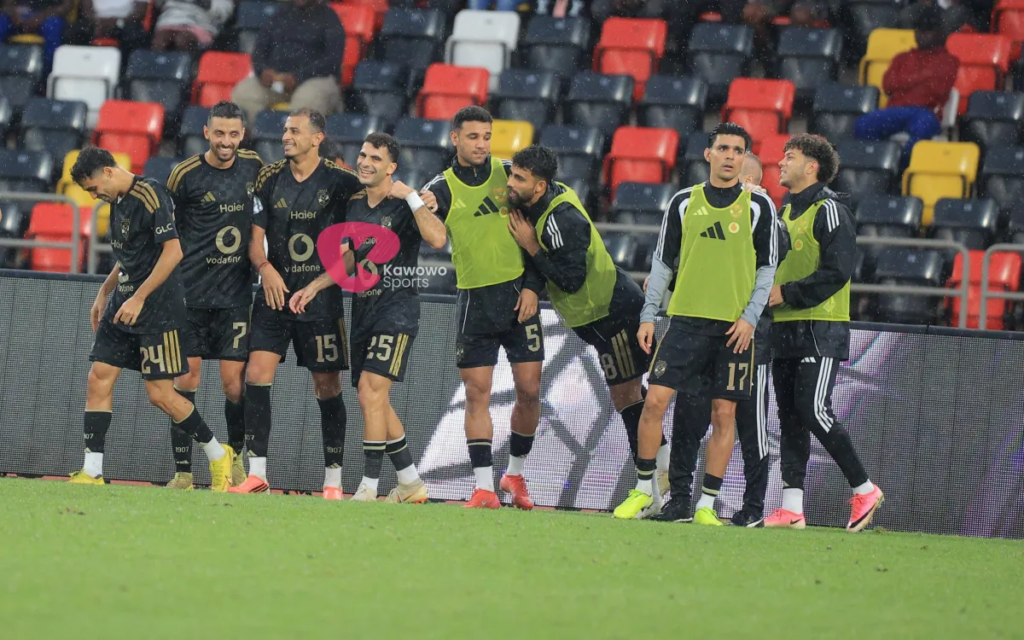
Al Ahly players. Credit: John Batanudde/Kawowo Sports
What Kitara Can Take From the Performance
Wahab and Kizza supplied the clearest attacking positive: a productive delivery followed by a decisive finish. That combination offers encouragement because Kitara will need purposeful attacking moments again in Cairo.
However, the broader lesson concerns managing changing match conditions. Holding a lead against strong opposition requires repeated decisions about when to press, when to retreat, and how to maintain an outlet.
Once Al Ahly introduced fresh players, Kitara faced a different challenge. The second leg demands preparation for those changes, including clearer communication when runners arrive around the box.
A Continental Journey With Foundations
This defeat should be viewed alongside the work that brought Kitara into the tie. They eliminated Mogadishu City Council 4–1 on aggregate, winning the second leg 2–0 through goals from Jimmy Kalema and Frank Tumwesigye.
That earlier success demonstrated their ability to turn a continental opportunity into progress. The current assignment presents a much steeper challenge, but it follows a qualification earned through results.
Our report on Kitara’s victory over Mogadishu City Council explains how the Royals reached this stage. The contrast between the two ties also underlines how quickly the demands can rise in African club competition.
What Must Change in Cairo?
Kitara need to overturn the aggregate deficit. Their approach must therefore balance ambition with the danger of conceding while committing players forward.
The sensible starting point is staying competitive long enough to make their attacking opportunities count. An early rush could create openings, but it could also expose spaces that become difficult to recover.
Set-piece delivery, support around the striker, and decisions after winning possession deserve particular attention. These are practical routes to creating pressure without requiring uninterrupted control of the ball.
Patience also matters. A disciplined opening would preserve options; an unnecessarily stretched contest could make the task substantially harder.
Why This Matters for Football in Hoima
The occasion carried significance beyond the scoreline. Hosting a continental fixture of this profile gave supporters in Hoima a direct connection to a major African club contest.
The build-up to Kitara’s Al Ahly fixture reflected that anticipation, with ticket arrangements and stadium access forming part of the preparations.
For Ugandan football, the lasting value depends on what follows. Experiences like this become useful when clubs convert them into stronger preparation, better squad decisions and improved performances. Kitara now has immediate evidence of the standards required to protect an advantage against experienced continental opposition.
Frequently Asked Questions
What was the Kitara vs Al Ahly result?
Al Ahly won 2–1 after Kitara had led at halftime through Gadaffi Wahab.
When is the return leg?
The return match is scheduled for 25 October in Cairo, according to CAF.
Can Kitara still qualify?
Yes. The tie remains unfinished, but Kitara must overturn the one-goal aggregate deficit to advance.
Follow the Football With Bangbet Uganda
Keep the continental conversation going with Bangbet Uganda. Before considering a football wager, review confirmed team news, understand the selected market, and check the applicable terms. Predictions remain opinions, and results can change quickly—as this match demonstrated. Betting is for eligible adults; set a spending limit and keep it within your entertainment budget.
Verdict: Kitara Need Composure and Conviction
Kitara’s first-half lead showed what was possible. Al Ahly’s response exposed how difficult sustaining that position would be.
The Cairo assignment is demanding, but the most useful response is precise preparation. Kitara needs defensive concentration, an effective attacking outlet, and the composure to recognise their opportunities.
For supporters in Hoima and across Uganda, the hope now rests on a performance that combines courage with control. The Royals have a deficit to recover and one more chance to shape their continental story.