Blackjack is one of the easiest casino card games to understand, but sitting at a live blackjack table for the first time can still feel intimidating. The dealer deals the cards, experienced players make quick decisions, and sometimes nobody seems to say a word.
How does the dealer know what everyone wants?
The answer is blackjack hand signals.
At many physical blackjack tables, players communicate decisions such as hit, stand, double down and split through recognized hand gestures. These signals make your intentions clear to the dealer and help create a record that casino surveillance can verify if a disagreement occurs.
For beginners in Tanzania, learning these simple gestures before visiting a casino can make the blackjack experience considerably easier. And if you prefer an online casino, the same blackjack actions usually appear as buttons rather than physical gestures.
What Are Blackjack Hand Signals?
Blackjack hand signals are gestures used to tell the dealer what you want to do with your hand.
Instead of simply saying, “Give me another card,” you can signal hit. Rather than saying, “I don’t want another card,” you signal stand.
The five actions beginners are most likely to encounter are:
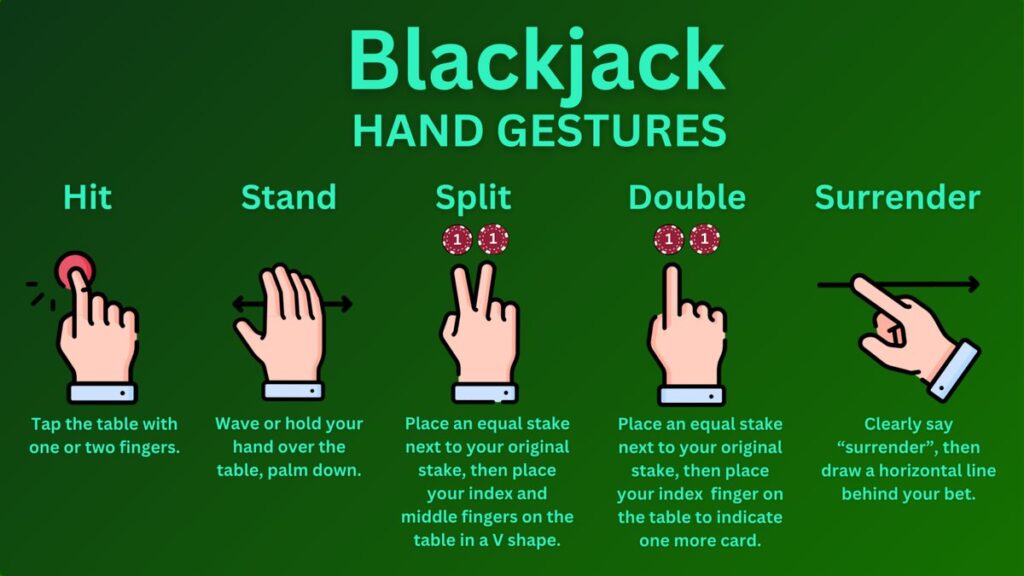
| Blackjack Action | What It Means | Common Face-Up Table Signal |
| Hit | Take another card | Tap the table |
| Stand | Take no more cards | Wave your hand horizontally |
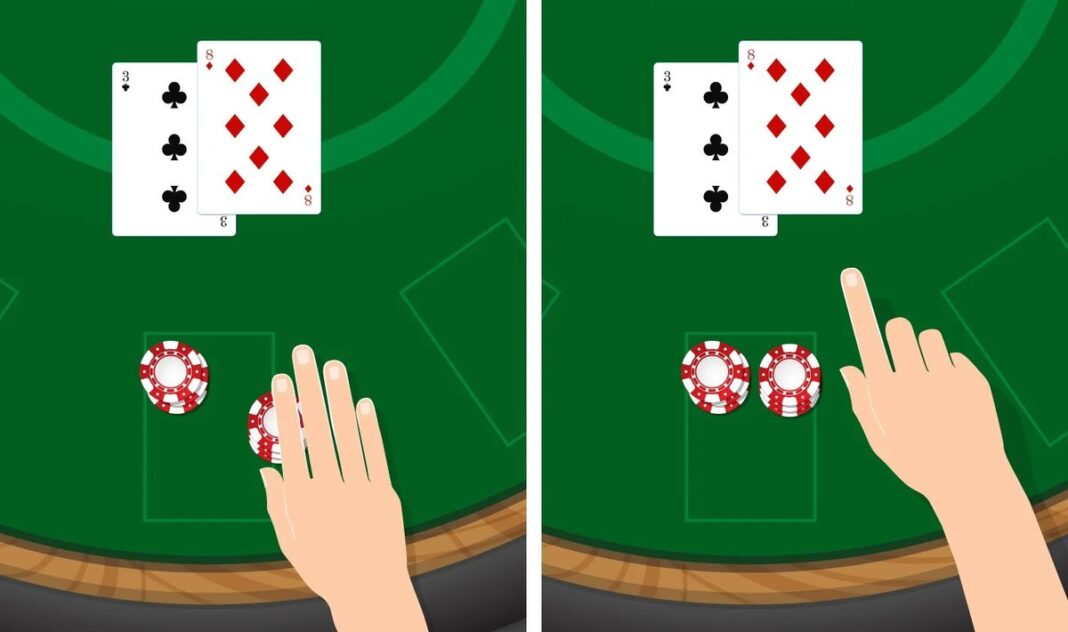
| Double Down | Increase your initial wager and receive one more card | Add the required wager and point with one finger |
| Split | Separate an eligible pair into two hands | Add the required second wager and make a V with two fingers |
| Surrender | Give up the hand and usually forfeit half the wager | Draw a horizontal line with your finger; availability and procedure vary |
These conventions are widely recognized, although exact procedures can vary between casinos and blackjack variants.
Why Are Hand Signals Used in Blackjack?
Blackjack signals are more than casino tradition.
They make your decision clear
Casino floors can be busy and noisy. A clear physical signal reduces the possibility that the dealer misunderstands whether you wanted to hit or stand.
They help protect players and casinos
Casino surveillance systems can record visible gestures. If there is uncertainty about what a player requested, the recorded signal can help establish what happened.
They keep the game moving
Experienced blackjack tables move quickly. Knowing the correct gestures allows you to communicate your decision without lengthy explanations.
Most importantly, remember that hand signals do not improve your odds by themselves. They communicate a decision; they are not a blackjack strategy.
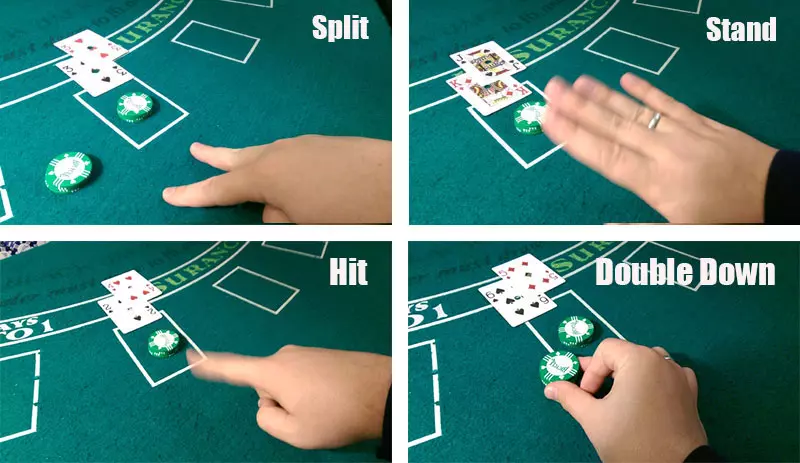
The 5 Essential Blackjack Hand Signals Explained
1. Hit: “Give Me Another Card”
A hit means you want the dealer to give you another card.
At a typical face-up blackjack table, lightly tap the table with one or two fingers in front of your cards.
Think:
Tap = another card.
Example
You have:
7 + 5 = 12
You decide you want another card.
Tap the table. The dealer deals another card.
You can generally continue hitting until you stand or your total exceeds 21 and you bust.
2. Stand: “No More Cards”
To stand means you are satisfied with your current total and do not want another card.
The usual blackjack hand signal is to hold your hand palm-down and wave it horizontally over the table.
Imagine wiping an invisible line across the felt.
Think:
Wave = I’m finished.
Example
You hold:
10 + 9 = 19
You decide not to risk another card.
Wave your hand horizontally. Your hand remains at 19, and your turn ends.
3. Double Down: “Double My Bet and Give Me One Card”
A double down allows you to increase your initial wager—commonly doubling it—and receive exactly one additional card, subject to the table’s rules.
At a typical face-up table:
- Place the additional chips beside your original wager, not on top of it.
- Point or raise one finger to indicate a double.
Why one finger?
Because doubling down normally means you’re receiving one final card.
If you’re new to blackjack, check the specific table rules before doubling because restrictions can differ.
4. Split: “Turn My Pair Into Two Hands”
When your first two cards qualify as a pair under the table rules, you may have the option to split them into two separate blackjack hands.
You normally place an additional wager equal to the original bet beside it and hold out two fingers in a V shape.
Think:
Two fingers = two hands.
Each hand is then played separately. Because splitting involves an additional wager, your total amount at risk increases.
Also remember that individual casinos may restrict re-splitting, splitting aces or doubling after a split.
5. Surrender: “I’m Giving Up This Hand”
Surrender allows you to abandon your hand, typically losing half your original wager rather than playing the hand to completion.
However, surrender isn’t offered at every blackjack table.
Where a physical signal is accepted, a common gesture is to draw a common imaginary horizontal line behind your bet with your index finger. Because surrender procedures are less universal than hit or stand signals, confirm with the dealer before using them.
Face-Up vs Face-Down Blackjack Hand Signals
Here’s something beginners can easily overlook: blackjack signals can change depending on how the cards are dealt.
Most modern casino blackjack games deal players’ cards face up. At these tables, you generally don’t touch your cards.
In traditional hand-dealt or face-down games, procedures can differ.
| Decision | Face-Up Blackjack | Face-Down Blackjack |
| Hit | Tap the table | Lightly scrape the card edge against the felt |
| Stand | Wave your hand horizontally | Commonly slide the cards under the wager |
| Double | Add wager + one-finger indication | Procedures can require exposing the cards and adding the wager |
| Split | Add wager + two-finger V | Procedures can require exposing the cards and adding the second wager |
These differences are why beginners should always follow the dealer’s instructions and the house rules rather than assuming every blackjack table operates identically.
Do You Need Hand Signals When Playing Blackjack Online?
Usually, no.
Standard online blackjack replaces physical gestures with clearly labeled controls such as:
HIT | STAND | DOUBLE | SPLIT
You simply tap or click the action you want.
The underlying decisions remain largely the same. For example, selecting Hit requests another card, while Stand ends your drawing decisions for that hand.
Live-dealer online blackjack sits somewhere between digital and physical casino play. You watch a real dealer via video stream but normally communicate your decisions through the interface rather than physically signaling at the camera.
So, while learning hand signals is useful casino knowledge, online players should focus primarily on understanding what each blackjack action actually does.
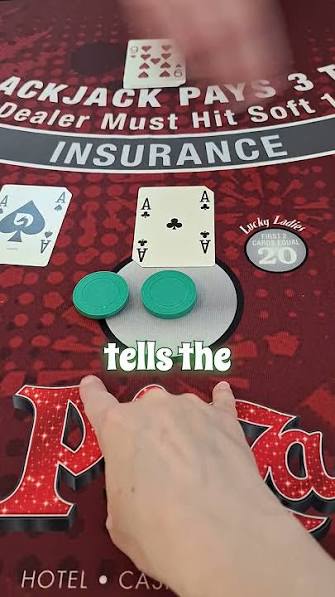
Play Blackjack Online with Bangbet.com
Want to put your blackjack knowledge into practice without worrying about remembering every physical table gesture? Bangbet offers a convenient online gaming experience where players can make blackjack decisions directly through the game interface. Whether you’re learning when to hit, stand, double, or split, online play gives you an accessible way to become familiar with blackjack’s core actions. Visit Bangbet to explore the available casino games and promotions, and always check the applicable terms, eligibility requirements and current licensing information before playing. Gamble responsibly, set a budget and never wager money you cannot afford to lose.
Common Blackjack Hand-Signal Mistakes Beginners Should Avoid
Saying the move but forgetting the signal
At a physical casino table, don’t rely entirely on saying “hit” or “stand.” Make the appropriate visible gesture according to the table’s rules.
Confusing split with double down
Both actions involve placing additional chips beside your original wager. The finger signal helps clarify your intention:
One finger = Double
Two fingers = Split
Touching face-up cards
At many face-up blackjack tables, players should leave the cards where they are and use gestures instead. Follow the dealer’s instructions.
Moving your original wager
Once cards have been dealt, don’t casually move your original chips. When doubling or splitting, place the additional wager as instructed.
Copying another player’s decision
Hand signals communicate what you’ve decided; they don’t tell you which decision is mathematically best.
Learn basic blackjack strategy separately.
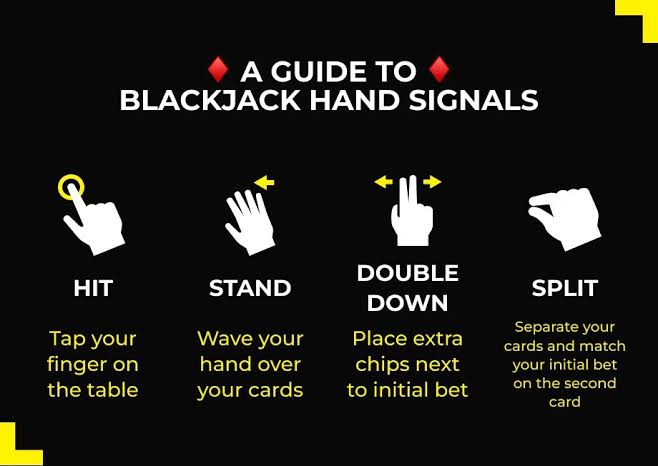
Quick Blackjack Hand Signals Cheat Sheet
Remember these five simple associations:
Tap → Hit
Wave → Stand
One finger + additional wager → Double Down
Two fingers + additional wager → Split
Horizontal finger line → Surrender, where permitted
That’s enough to recognize the most important blackjack signals at a typical face-up casino table.
Final Thoughts: Learn the Signals Before You Sit at the Table
Blackjack hand signals look complicated when you’re watching an experienced table, but the fundamentals are remarkably simple.
Tap to hit. Wave to stand. One finger for double. Two fingers for split.
Once these gestures become familiar, you can concentrate on the more important part of blackjack: understanding your cards, the dealer’s visible card and the decisions available to you.
For Tanzanian beginners, the same blackjack vocabulary is useful whether you’re visiting a physical casino or exploring an online casino. Just remember that table rules can vary, and online games replace physical gestures with digital controls.
Most importantly, blackjack should remain entertainment rather than a source of expected income. Choose regulated gaming options, understand the rules, set firm spending limits and play responsibly.