
The End of a Legendary International Career
Football has reached the end of one of its most emotional and historic international chapters.
Lionel Messi has officially announced his retirement from international football, bringing an extraordinary Argentina career spanning more than two decades to an end.
The 39-year-old Argentina captain confirmed his decision on August 31, 2026, following Argentina’s journey to the 2026 FIFA World Cup final. Messi described the decision as one that deeply hurt him but said he felt the moment had come to step away and allow the next generation to continue the story of the Albiceleste.
His farewell marks the end of an era.
From a difficult beginning and painful defeats to becoming a Copa América champion, world champion and the greatest statistical figure in Argentina’s football history, Messi’s relationship with the national team became one of the most remarkable stories ever told in world football.
Messi’s Emotional Retirement Message
In his farewell statement, Messi made it clear that leaving Argentina was far from an easy decision.
He explained that he had spent considerable time thinking about retirement after the 2026 World Cup final and felt that he had given everything possible to the Argentina shirt.
Messi also thanked the Argentina supporters, his family, teammates, coaches and everyone who had been part of his international journey. One of the central themes of his message was his belief that a new generation of talented Argentine players deserved the opportunity to represent the national team.
The Argentine captain wrote his farewell message on July 21, two days after the World Cup final, but later explained that events involving his father made him even more certain that retirement was the right decision.
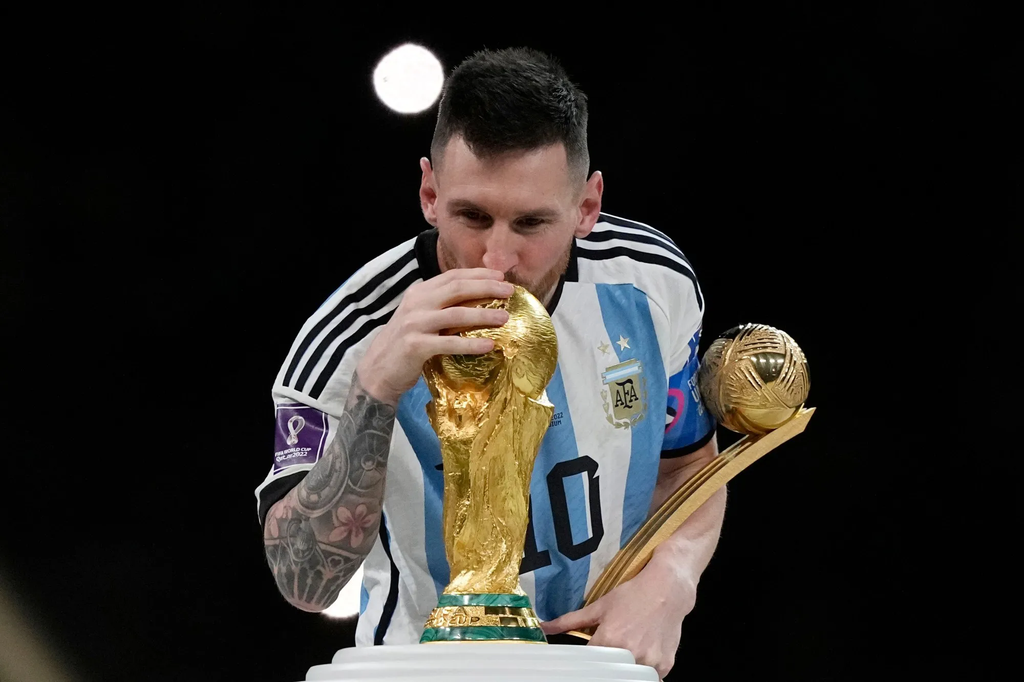
His final words perfectly reflected the connection he maintained with his country throughout his career:
“Thank you God for making me Argentine. Vamos Argentina!”
The Argentine Football Association also paid tribute to its legendary captain, celebrating a career that transformed Messi from a young prodigy into one of the greatest symbols in the history of Argentine football.
Lionel Messi’s Argentina Career: Where It All Began
Messi’s senior international journey began in 2005.
His debut against Hungary is remembered for one of the most unusual starts imaginable. Messi entered the match as a substitute but was sent off shortly afterwards, beginning a national-team journey that would eventually include more than 200 appearances.
Few could have predicted at that moment that the young player would go on to become Argentina’s record appearance holder and all-time leading goalscorer.
But even before establishing himself with the senior national team, Messi had already shown his importance to Argentina’s future.
2005 FIFA U-20 World Cup Champion
Messi played a leading role as Argentina won the FIFA U-20 World Cup in 2005.
The tournament provided an early glimpse of what was coming. Messi emerged as one of the world’s most exciting young footballers and helped Argentina secure another major youth international title.
Olympic Gold in 2008
Three years later, Messi added another important international achievement when Argentina won Olympic gold at the Beijing 2008 Games.
These early successes helped establish Messi as the central figure of a generation that Argentina hoped would eventually bring major senior trophies back to the country.

The Difficult Years: World Cup and Copa América Heartbreak
Messi’s Argentina career was not always defined by celebrations.
For many years, his relationship with the national team was shaped by enormous pressure, criticism and painful defeats.
Argentina regularly reached major finals, but victory continued to slip away.
2007 Copa América Final
Argentina reached the Copa América final in 2007 but lost to Brazil.
It was the first of several major international disappointments that would test Messi’s determination with the national team.
The Pain of the 2014 FIFA World Cup Final
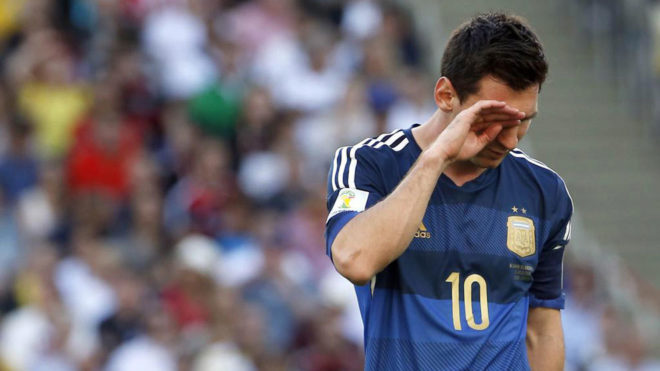
Perhaps one of the most difficult moments of Messi’s career came at the 2014 FIFA World Cup in Brazil.
Messi inspired Argentina throughout the tournament and helped the Albiceleste reach their first World Cup final since 1990.
However, Argentina were defeated by Germany after extra time.
Messi won the Golden Ball as the tournament’s best player, but the individual recognition could not remove the disappointment of coming so close to winning football’s greatest prize.
Back-to-Back Copa América Final Defeats
The heartbreak continued.
Argentina lost the 2015 Copa América final to Chile before suffering another defeat against the same opponents in the 2016 Copa América Centenario final.
After the 2016 defeat, Messi briefly announced his retirement from international football.
At the time, the pressure, criticism and repeated final defeats had become overwhelming.
But the story was not over.
Messi eventually returned to Argentina duty—and the decision to come back would change the history of both his career and Argentine football forever.
Copa América 2021: Messi Finally Wins His First Major Senior International Trophy
After years of disappointment, everything changed in 2021.
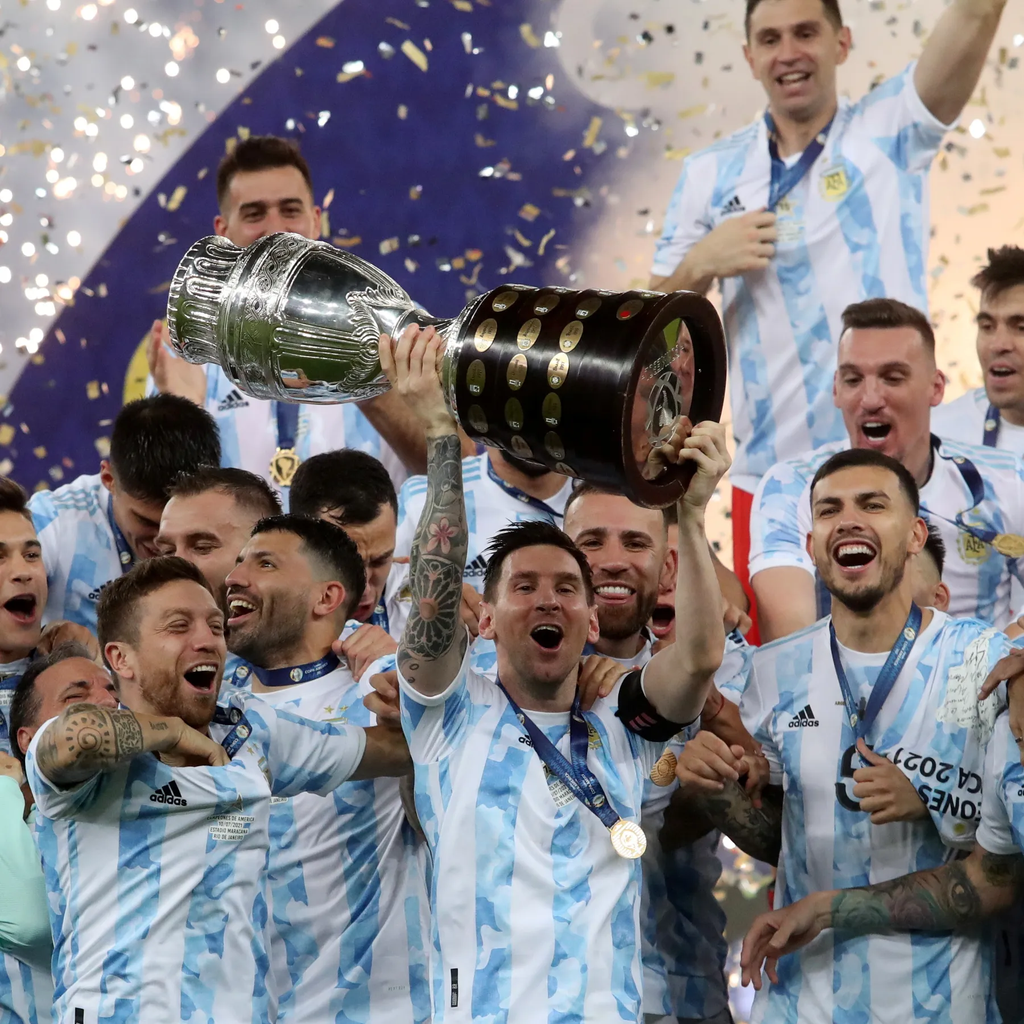
Argentina defeated Brazil in the Copa América final at the Maracanã Stadium.
For Messi, it was a defining moment.
He had finally won a major senior international trophy with Argentina.
The victory was more than just another medal. It changed the narrative surrounding Messi’s international career.
For years, critics had questioned why one of the greatest players in football history had not won a major senior title with his country.
In 2021, that question disappeared.
Argentina were champions.
And Messi’s greatest international chapter was only beginning.
Finalissima 2022: Argentina Continue Their Rise
Argentina continued their remarkable form by winning the Finalissima in 2022.
The victory over Italy demonstrated that the team had become one of the strongest and most confident sides in world football.
More importantly, Argentina entered the 2022 FIFA World Cup with momentum, belief and a team that had developed beyond being dependent on Messi alone.
Messi remained the captain and inspiration.
But he was now surrounded by a strong generation of players capable of carrying Argentina’s ambitions alongside him.
Qatar 2022: Lionel Messi Wins the FIFA World Cup
The defining moment of Messi’s international career arrived in Qatar.
After a difficult opening defeat against Saudi Arabia, Argentina recovered spectacularly and began one of the most memorable World Cup campaigns in football history.
Messi delivered when Argentina needed him most.
He scored, created chances, led the team and produced some of the most iconic performances of his career.
Argentina eventually reached the final against France.
What followed became one of the greatest World Cup finals ever played.
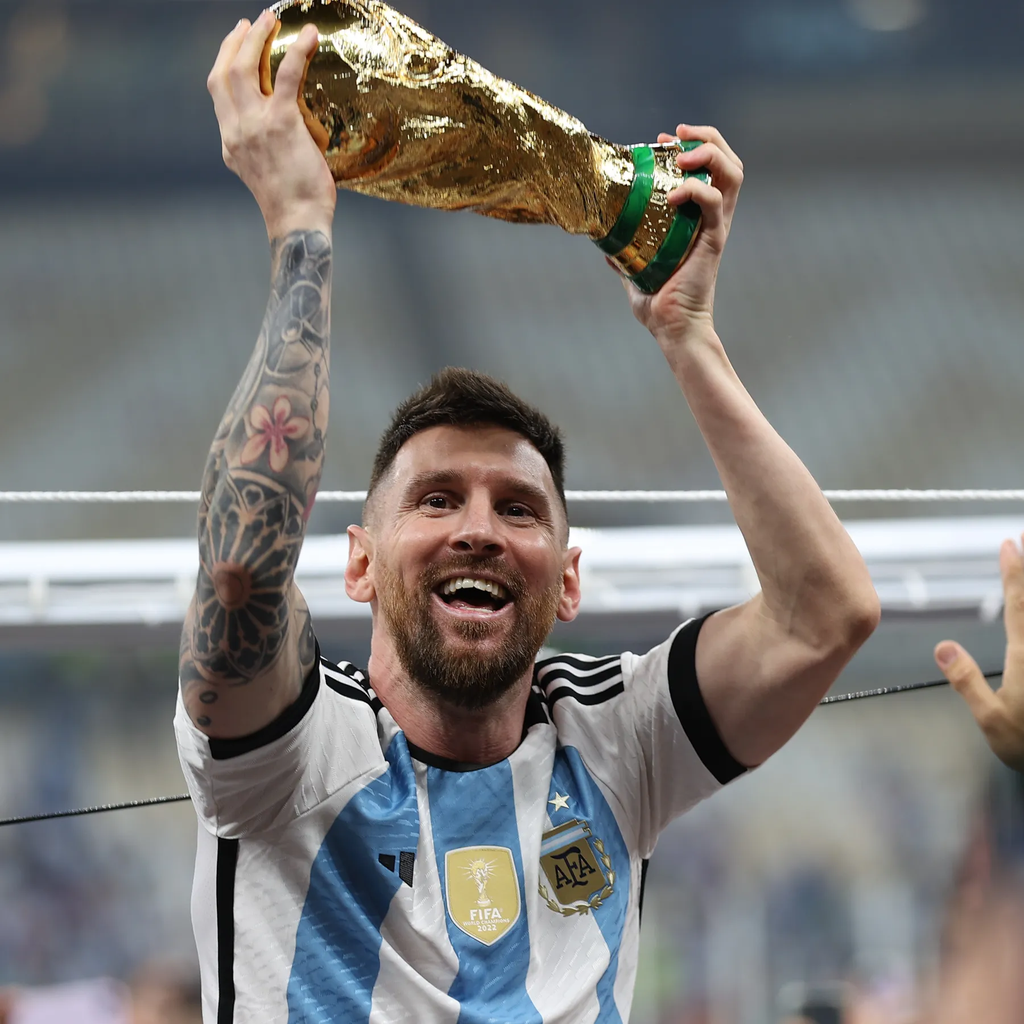
After an unforgettable contest that went to penalties, Argentina became FIFA World Cup champions.
For Messi, the victory completed the greatest dream of his career.
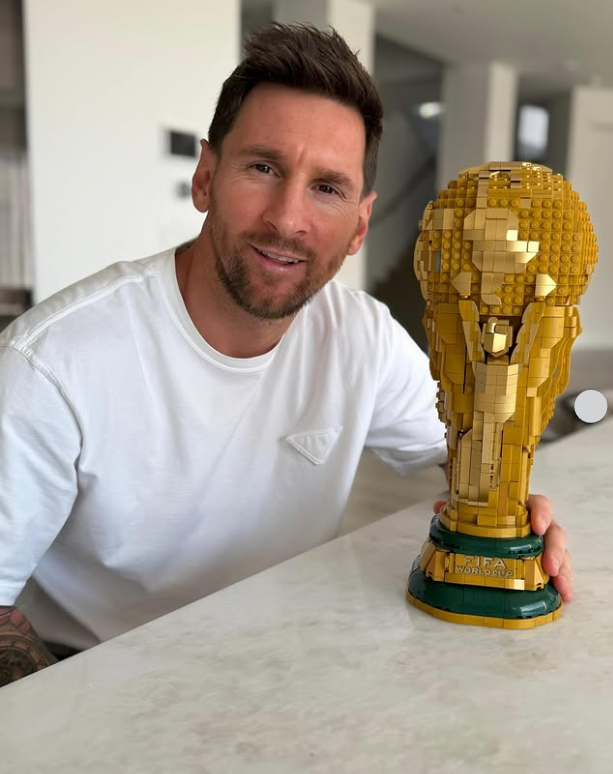
He had finally lifted the FIFA World Cup.
The image of Messi raising the World Cup trophy became one of the defining images of modern football.
After years of disappointment, criticism and near misses, Messi had reached the summit with Argentina.
Copa América 2024: Argentina Win Again
Messi and Argentina were not finished after Qatar.
The Albiceleste successfully added another Copa América title in 2024, confirming that their success was not limited to one extraordinary tournament.
The team had entered a golden era.
Messi had gone from being a young player attempting to live up to impossible expectations to becoming the captain of one of the most successful generations in Argentina’s football history.
By this stage, his international achievements included:
- FIFA U-20 World Cup
- Olympic Gold Medal
- Copa América 2021
- Finalissima 2022
- FIFA World Cup 2022
- Copa América 2024
Messi’s Final World Cup: Argentina Reach the 2026 Final
Messi’s final major international tournament came at the 2026 FIFA World Cup.
At 39 years old, he once again led Argentina deep into the competition.
Argentina reached another World Cup final, demonstrating the extraordinary longevity of Messi’s international career.
However, there would be no fairytale ending.
Argentina lost the 2026 World Cup final to Spain.
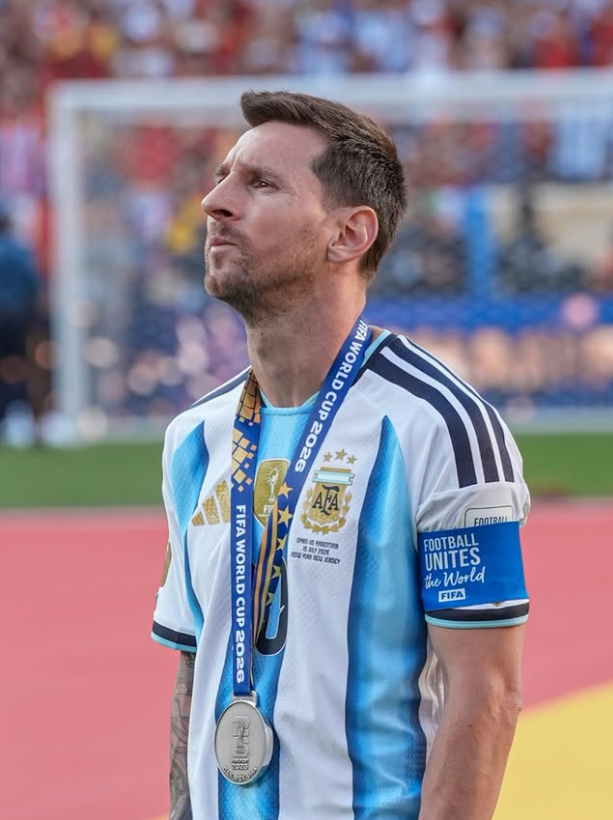
Despite the disappointment, Messi’s final tournament added another remarkable chapter to his international legacy.
His retirement came after the tournament, closing a journey that had taken him from a young player in 2005 to a veteran captain leading Argentina into another World Cup final more than 20 years later.
Lionel Messi’s Argentina Records and Statistics
Messi leaves the Argentina national team as the country’s most important statistical figure in international football history.
According to recent reporting and Argentina’s football records, he finished his international career with 207 appearances and 125 goals, making him both Argentina’s most-capped player and its all-time leading goalscorer.
Lionel Messi’s Argentina Career at a Glance
| Achievement | Year |
|---|---|
| Argentina senior debut | 2005 |
| FIFA U-20 World Cup | 2005 |
| Olympic Gold Medal | 2008 |
| First senior Copa América title | 2021 |
| Finalissima | 2022 |
| FIFA World Cup | 2022 |
| Second Copa América title | 2024 |
| Final World Cup appearance | 2026 |
| International retirement | 2026 |
| Argentina appearances | 207 |
| Argentina goals | 125 |
From Criticism to Immortality
Perhaps the most remarkable part of Messi’s Argentina career is how dramatically the story changed.
There was a period when some questioned his connection with Argentina.
He was compared constantly with Diego Maradona, criticised after major defeats and judged against expectations that would have been impossible for almost any other player.
Yet Messi continued.
He returned after his brief retirement.
He continued playing.
He continued fighting for Argentina.
Eventually, he achieved everything.
The player once criticised for failing to win a major senior trophy with his country became a World Cup-winning captain.
The player who experienced repeated final defeats eventually led Argentina through one of the most successful eras in its history.
That transformation is a major part of why Messi’s international legacy will remain so powerful.
What Lionel Messi’s Retirement Means for Argentina
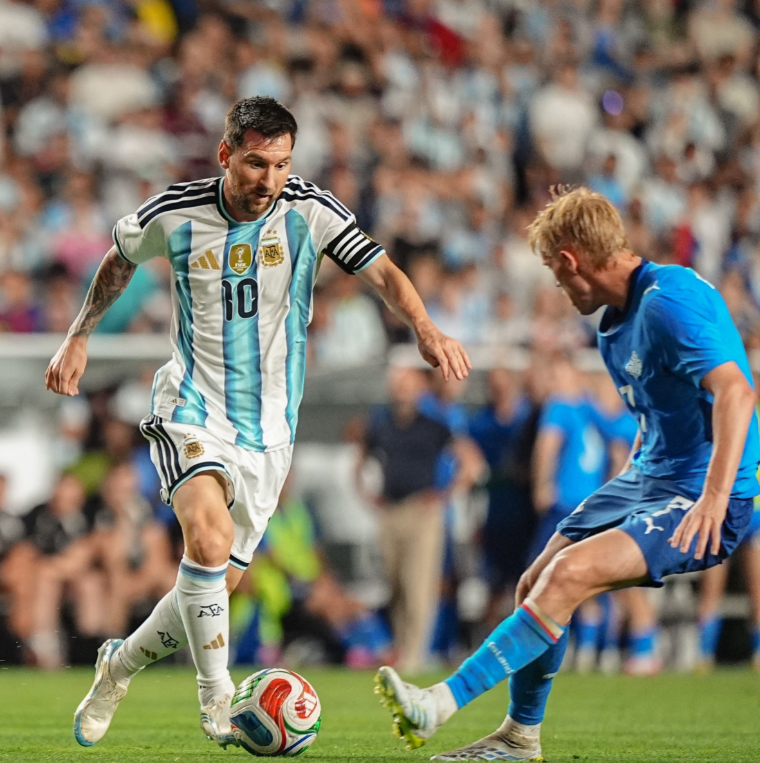
Messi’s departure represents the beginning of a new chapter for Argentina.
The team will now continue without the player who defined more than two decades of international football.
However, Messi’s farewell message itself showed that he believes the future belongs to Argentina’s younger generation.
Argentina will eventually move forward with new leaders and new stars.
But replacing Messi is another matter entirely.
Players can inherit the number 10.
New captains can wear the armband.
New goalscorers can break records.
Yet the combination of Messi’s longevity, talent, leadership, trophies and emotional journey with Argentina may never be repeated.
Lionel Messi Retires, but His Argentina Legacy Will Never End
Lionel Messi has left the Argentina national team.
But his story with the Albiceleste will never truly end.
For more than 20 years, he experienced every possible emotion in international football.
He arrived as a teenage superstar.
He suffered defeats.
He lost finals.
He briefly walked away.
He returned.
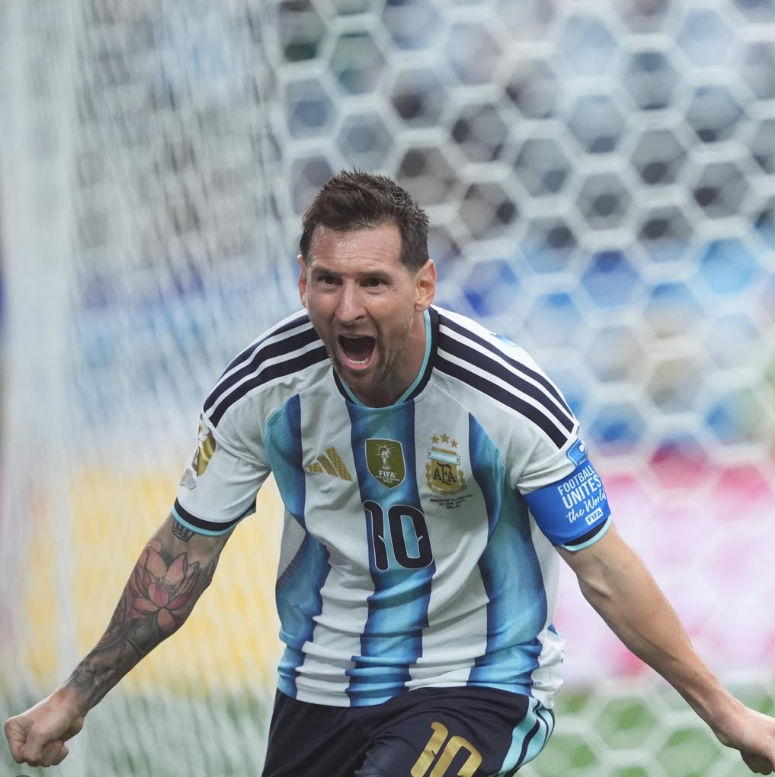
He won Copa América.
He won the World Cup.
He became Argentina’s record appearance holder and all-time leading goalscorer.
And finally, he left with the pride of knowing that he and his teammates gave Argentina moments that millions of supporters once only dreamed about.
His final message captured the emotion of the entire journey.
Messi is no longer Argentina’s captain on the pitch.
But he will remain Argentina’s supporter forever.
From the outside, just like millions of fans, Lionel Messi will now say: Vamos Argentina.
Frequently Asked Questions About Lionel Messi’s Argentina Retirement
Has Lionel Messi officially retired from international football?
Yes. Messi officially announced his retirement from the Argentina national team on August 31, 2026.
How many games did Messi play for Argentina?
Messi finished his Argentina career with 207 international appearances.
How many goals did Messi score for Argentina?
He scored 125 goals for the Argentina national team, finishing as the country’s all-time leading goalscorer.
Did Lionel Messi win the FIFA World Cup with Argentina?
Yes. Messi captained Argentina to victory at the 2022 FIFA World Cup in Qatar.
How many Copa América titles did Messi win with Argentina?
Messi won two Copa América titles with Argentina, in 2021 and 2024.
When did Messi make his Argentina debut?
Messi made his senior international debut for Argentina in 2005.