
Football fans in Tanzania settling into the rhythm of the 2026/27 European club season have suddenly been handed an unusually long wait. From Premier League weekends and European competitions to LaLiga and Serie A action, major club football has paused for an international window that stretches across late September and early October.
This scheduling gap is no accident. The September–October 2026 international break is part of a major change to FIFA’s international calendar, merging what used to be two separate breaks into one extended window.
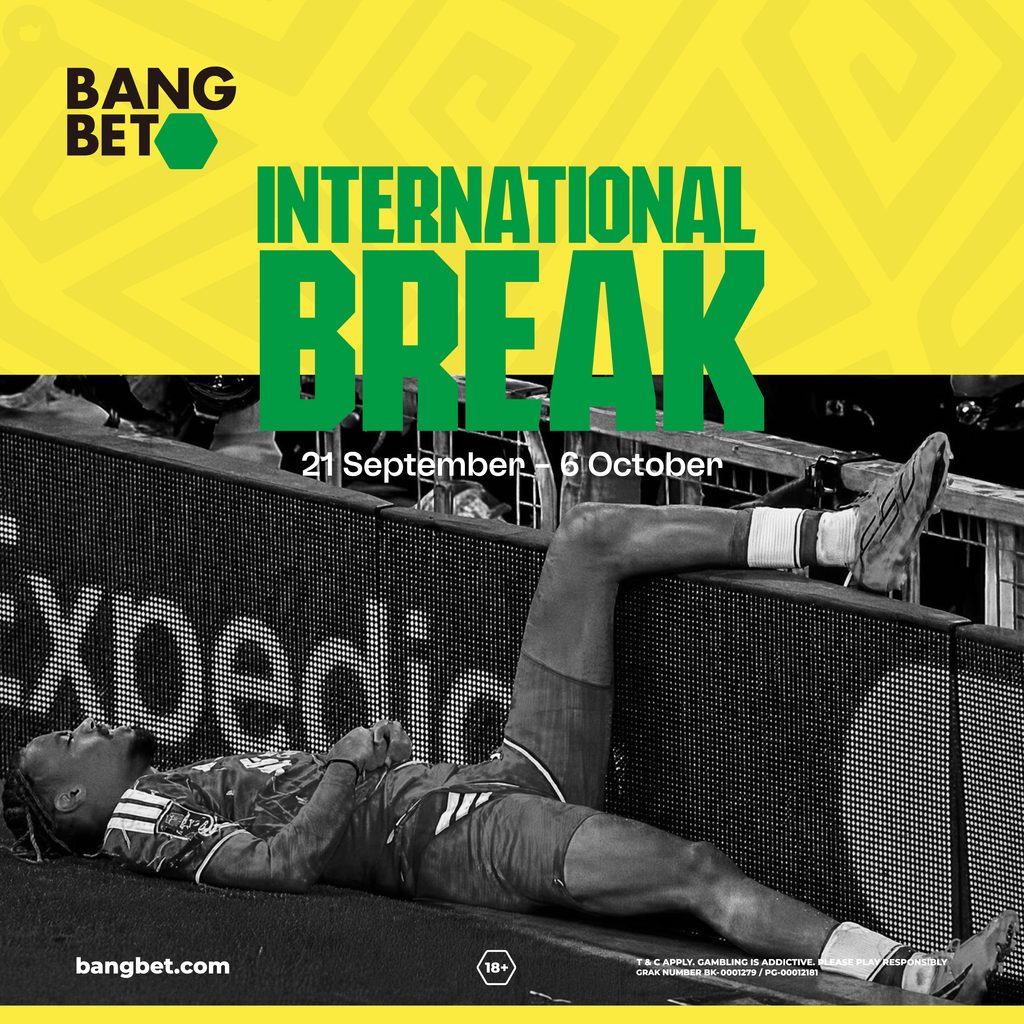
According to the Premier League’s official 2026/27 international-break schedule, the window officially runs from 21 September to 6 October 2026. For club supporters, however, the gap between competitive league weekends can feel closer to three weeks.
Why Is the September–October 2026 International Break So Long?
The main reason is simple: September and October’s traditional international windows have been combined.
Previously, national teams generally had separate September and October windows, playing two matches in each. Under the new arrangement, one extended 16-day FIFA window allows some national teams to play as many as four matches.
The Premier League explains that its clubs completed Matchweek 5 by 20 September, with Matchweek 6 scheduled to begin on 10 October. That creates the unusually long gap in club football supporters are experiencing.
The FIFA Council unanimously approved the restructuring in 2023, considering player welfare, international travel, and reducing repeated interruptions to domestic competitions.
From Two Breaks to One Extended Window
The change is easier to understand when comparing the calendars.
In previous seasons, club football would stop for an international window in September, resume, and then stop again only a few weeks later in October. In 2026/27, those interruptions have effectively become one larger block.
As TUKO explains in its report on the three-week international break, players can now complete four international fixtures during the consolidated period instead of repeatedly leaving their clubs for separate two-match windows.
So although the first interruption feels much longer, there is a payoff: club football will not stop again for a separate October international break.
Player Welfare and Long-Distance Travel Matter
Another important factor is travel.
African players based at European clubs can travel thousands of kilometers to join their national teams, play matches and then return to Europe—only to repeat the process during another international window several weeks later.
Combining September and October reduces the number of separate long-distance journeys.
That is particularly relevant to African football. Players representing countries across CAF competitions often have significantly longer journeys than footballers moving between neighboring European countries.
The Premier League’s explanation of the calendar change specifically notes that reducing the number of separate periods involving intercontinental travel was part of the thinking behind the revised calendar.
Did the 2026 FIFA World Cup Play a Role?
Yes, although it is not the only explanation.
The expanded 2026 FIFA World Cup concluded on 19 July, creating a compressed turnaround between the international tournament and the start of another demanding club season.
Both TUKO’s analysis of the September 2026 break and The Daily Star’s breakdown of the new international calendar point to the late World Cup finish, along with player welfare and travel considerations, when discussing the extended window.
The result is an attempt to make an increasingly congested football calendar more manageable without removing international fixtures altogether.
What Happens During the Break?
Club football may be quieter, but international football certainly is not.
Different confederations have different schedules during the window. European countries have UEFA Nations League fixtures, while African national teams are involved in Africa Cup of Nations qualification. Other confederations mix competitive fixtures with friendlies.
That gives Tanzanian football supporters plenty to follow even without the regular Premier League weekend.
For Taifa Stars and other African nations, international windows remain crucial opportunities to compete for continental qualification, develop squads and build momentum between major tournaments.
What Does the Change Mean for Tanzanian Football Fans?
For football followers in Tanzania, the biggest adjustment is psychological.
Fans accustomed to watching Premier League matches every weekend suddenly face a longer gap before seeing clubs such as Arsenal, Manchester United, Liverpool, Chelsea and Manchester City return to domestic competition.
But there is an upside.
Once the September–October window finishes, no additional October international break will interrupt club football a few weeks later. The next scheduled Premier League international window is 9–17 November 2026, followed by another from 22–30 March 2027.
In other words, one longer pause now means fewer separate interruptions later.
2026/27 International Break Calendar
For Premier League followers, the main in-season windows are:
| International window | Dates | Potential matches |
| September–October | 21 Sep–6 Oct 2026 | 4 |
| November | 9–17 Nov 2026 | 2 |
| March | 22–30 Mar 2027 | 2 |
The September–October window is therefore the clear outlier.
Follow the Football Action with Bangbet Tanzania
While European club competitions take a temporary pause, football continues across the international stage. Bangbet gives Tanzanian football fans a platform to follow selected international fixtures and explore available sports betting markets across major competitions.
Whether you’re following African qualifiers, European international matches, or the return of club football in October, visit Bangbet to check the latest fixtures, markets, and promotions. Bet responsibly and only stake what you can afford to lose.
Is the Three-Week International Break Here to Stay?
The structure is not simply a one-off scheduling accident.
The Premier League says the current international-match system is expected to remain in place until at least 2030.
That means supporters should get used to a longer consolidated September–October window rather than expecting the old cycle of frequent early-season breaks.
As ESPN’s analysis of the extended international break also notes, the unusual length has sparked a wider discussion about whether fewer but longer international windows can work better within football’s increasingly crowded calendar.
Final Word
The September–October 2026 international break is longer because FIFA has merged two traditional international windows into one extended period.
Instead of stopping club football separately in September and October, the calendar now offers one window from 21 September to 6 October, allowing some national teams to play four fixtures while reducing interruptions later in the season.
For Tanzanian fans, three weeks without the usual rhythm of European club football may feel unusually long. But the trade-off is straightforward: fewer stop-start interruptions, fewer separate international journeys for players and a cleaner run of club football once the action resumes.
The wait is longer — but October will no longer bring another international-break pause.