

Poker is often described as a game of skill, patience, and psychology. While many beginners focus solely on learning hand rankings or bluffing techniques, experienced players know that table position is one of the biggest advantages in Texas Hold’em and other poker variants. Your position determines how much information you have before making a decision, making it one of the most powerful strategic tools at the poker table.
Whether you’re playing online from Nairobi, Mombasa, Kisumu, or anywhere else in Kenya, understanding poker positions can dramatically improve your results. Playing the same hand from different positions can lead to completely different outcomes.
In this guide, we’ll explain everything you need to know about early, middle, and late positions, along with practical strategies that can help you make smarter decisions and become a more profitable poker player.
Why Position Matters in Poker
Position refers to where you sit relative to the dealer button. Since poker is played clockwise, players act in sequence during every betting round.
The biggest advantage comes from acting after your opponents, because every action they take provides valuable information. When players check, bet, raise, or fold before it’s your turn, you gain clues about the strength of their hands and can make more informed decisions. This is why professional players often say that position is power in poker.
A good position allows you to:
- Gather more information before acting.
- Bluff more effectively.
- Control the size of the pot.
- Win more pots without reaching showdown.
- Make fewer costly mistakes.
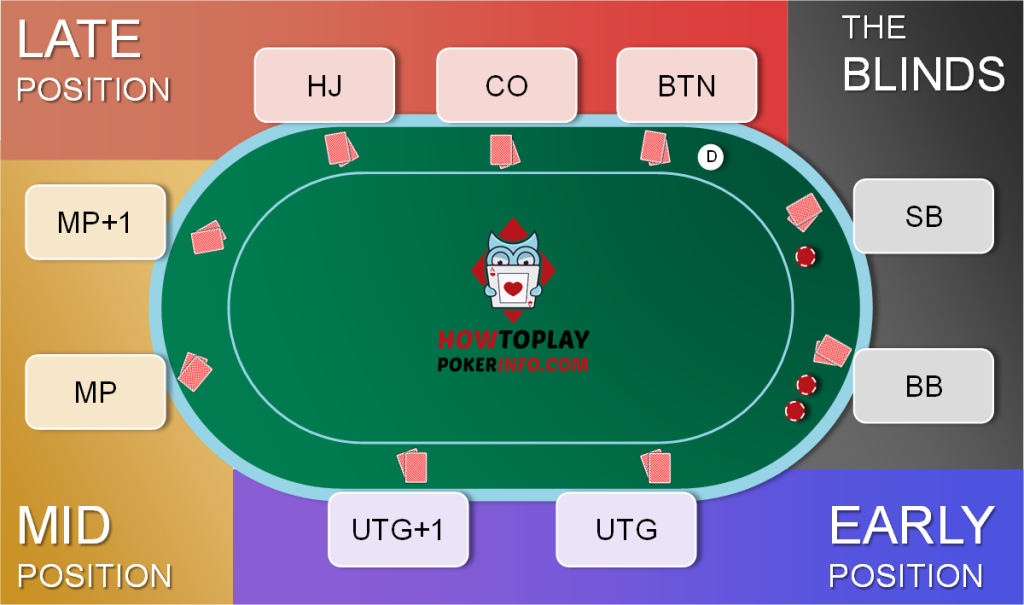
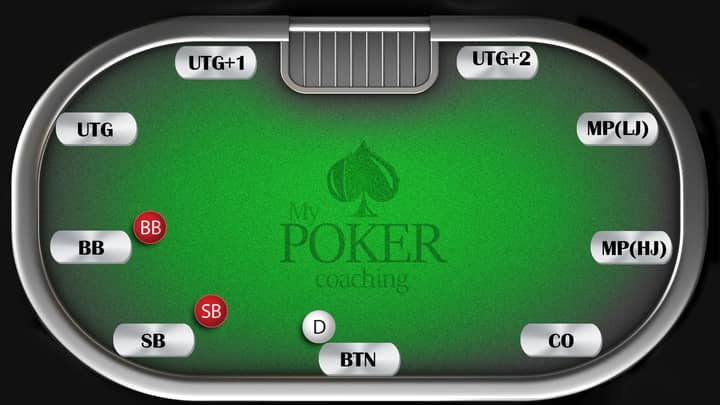
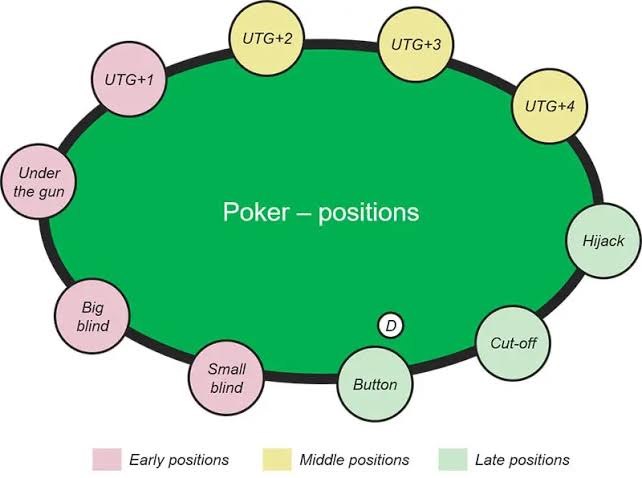
Understanding Poker Positions
Poker positions are generally divided into three main categories:
Early Position (EP)
Early Position includes players who act first after the blinds, commonly known as Under the Gun (UTG) and nearby seats.
This is considered the most difficult position because nearly every player still has an opportunity to act after you. Since you have very little information, you should play cautiously.
Middle Position (MP)
The middle position sits between the early and late seats.
By this point, some players have already acted, giving you more information while still leaving several opponents behind.
Late Position (LP)
Late position includes the Cutoff (CO) and the Button (BTN).
These are the strongest seats at the poker table because you usually act last after seeing what everyone else has done. Most winning poker strategies generate their biggest profits from these positions.
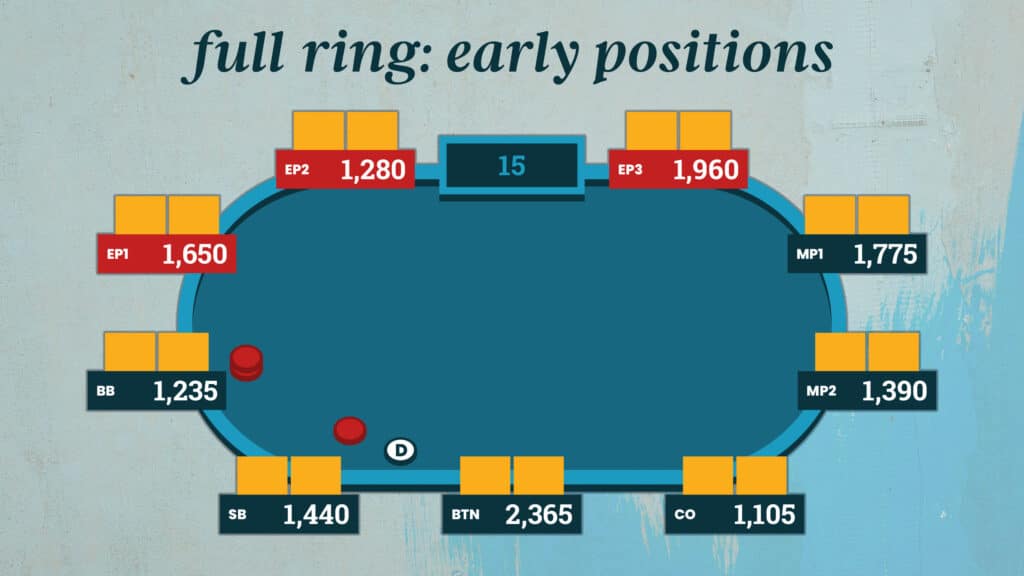
Winning Strategy from Early Position
Playing from an early position requires discipline.
Since many players still need to act, weaker hands become much riskier.
Play Only Premium Hands
Stick with strong starting hands such as the following:
- AA
- KK
- AK
- AQ suited
- JJ
Avoid speculative hands like small suited connectors or weak aces.
Professional players recommend using a tight opening range from early position because you’ll frequently have to play the rest of the hand out of position.
Avoid Fancy Bluffs
Early position is not the place for creative bluffs.
Since several players are still to act, your bluff has a much greater chance of being called or raised.
Raise Instead of Limping
If your hand is strong enough to play, open with a raise rather than simply calling the big blind.
Raising helps narrow the field while building value with premium hands.
Winning Strategy from Middle Position
The middle position offers more flexibility than the early position.
With fewer players left behind, you can gradually widen your starting hand selection.
Expand Your Range Carefully
You may now consider the following:
- Medium pocket pairs
- KQ suited
- QJ suited
- JT suited
- AJ
- AT suited
However, avoid becoming too loose simply because you’ve moved a few seats later.
Watch Earlier Action
Always pay attention to how early-position players entered the pot.
If someone raises from Under the Gun, they often represent a stronger range than someone raising from the Button.
Take Advantage of Weakness
If everyone folds before reaching you, it often becomes a good opportunity to raise and apply pressure on the remaining players.
Winning Strategy from Late Position
Late position is where great poker players separate themselves from average players.
The Button is widely considered the best seat because it provides the most information before acting.
Play More Hands
Late position allows you to play profitably:
- Small pocket pairs
- Suited connectors
- Weak suited aces
- Broadways
- One-gap suited connectors
These hands become much stronger simply because you’ll often act last after the flop.
Steal the Blinds
One of the biggest advantages of late position is blind stealing.
If everyone folds to you on the Button or Cutoff, raising can often win the pot immediately without seeing the flop.
Bluff More Effectively
A late position creates the best bluffing opportunities.
If opponents check on you, it frequently signals weakness.
Use this information wisely rather than bluffing randomly.
The Importance of Reading Your Opponents
Position isn’t just about where you sit.
It’s also about using the information gained from acting later.
Watch for:
- Frequent callers
- Aggressive raisers
- Passive players
- Tight players
- Players who bluff too often
The more information you collect, the easier it becomes to adjust your strategy.
Common Position Mistakes Beginners Make
Many new poker players lose chips because they ignore positional strategy.
Common mistakes include:
Playing Too Many Hands Early
Beginners often overestimate the strength of weak hands from Under the Gun.
Patience pays off.
Bluffing Without Position
Bluffing while acting first usually gives opponents too many opportunities to respond aggressively.
Ignoring Table Dynamics
Position works alongside table behavior.
Loose tables require tighter play, while passive tables may reward more aggressive stealing.
Treating Every Position the Same
A hand that’s profitable on the Button may become a losing hand in Early Position.
Always adjust accordingly.
Position and Online Poker in Kenya
Online poker continues to grow among Kenyan players because it combines entertainment with strategic decision-making.
Unlike fast-paced casino games that rely heavily on luck, poker rewards players who continuously improve their knowledge.
Understanding positional play helps Kenyan players:
- Reduce unnecessary losses.
- Improve long-term profitability.
- Make smarter betting decisions.
- Build confidence during tournaments and cash games.
The more disciplined your positional strategy becomes, the more consistent your results will be.
Practice Makes Perfect
Knowing poker positions is only the first step.
To truly master them:
- Review your previous hands.
- Learn from experienced players.
- Practice bankroll management.
- Stay patient during losing sessions.
- Focus on making the right decisions rather than chasing immediate wins.
Over time, positional awareness becomes second nature and dramatically improves your overall game.
Play Smarter with Bangbet Kenya
Ready to put your poker knowledge into action? Bangbet offers Kenyan players an exciting online gaming experience with a secure platform, smooth gameplay, competitive promotions, and a user-friendly interface. Whether you’re sharpening your poker skills or exploring other popular casino games, Bangbet provides a trusted environment where strategy and entertainment go hand in hand. Register today, play responsibly, and let every hand become an opportunity to improve your game.
Conclusion
Mastering poker positions is one of the fastest ways to elevate your game. While great cards certainly help, knowing when and where to play them often matters even more. Early position demands discipline; middle position rewards balanced decision-making; and late position offers the greatest opportunities to control the action, steal blinds, and maximize profits.
For Kenyan poker enthusiasts looking to improve their long-term results, positional awareness should become a core part of every session. Combine strong fundamentals with patience, smart bankroll management, and consistent practice, and you’ll be well on your way to becoming a more confident and successful poker player.