

Kumasi, Ghana – The football community in Ghana has been left heartbroken following the tragic passing of renowned Asante Kotoko figure, Pooley. In an emotional recount of his final moments, a Kotoko official revealed that Pooley, in a desperate plea, even got down on his knees before his untimely demise. His death has cast a dark cloud over Ghana football, igniting conversations on health awareness and player welfare within the local league.
A Life Dedicated to Kotoko and Ghana Football
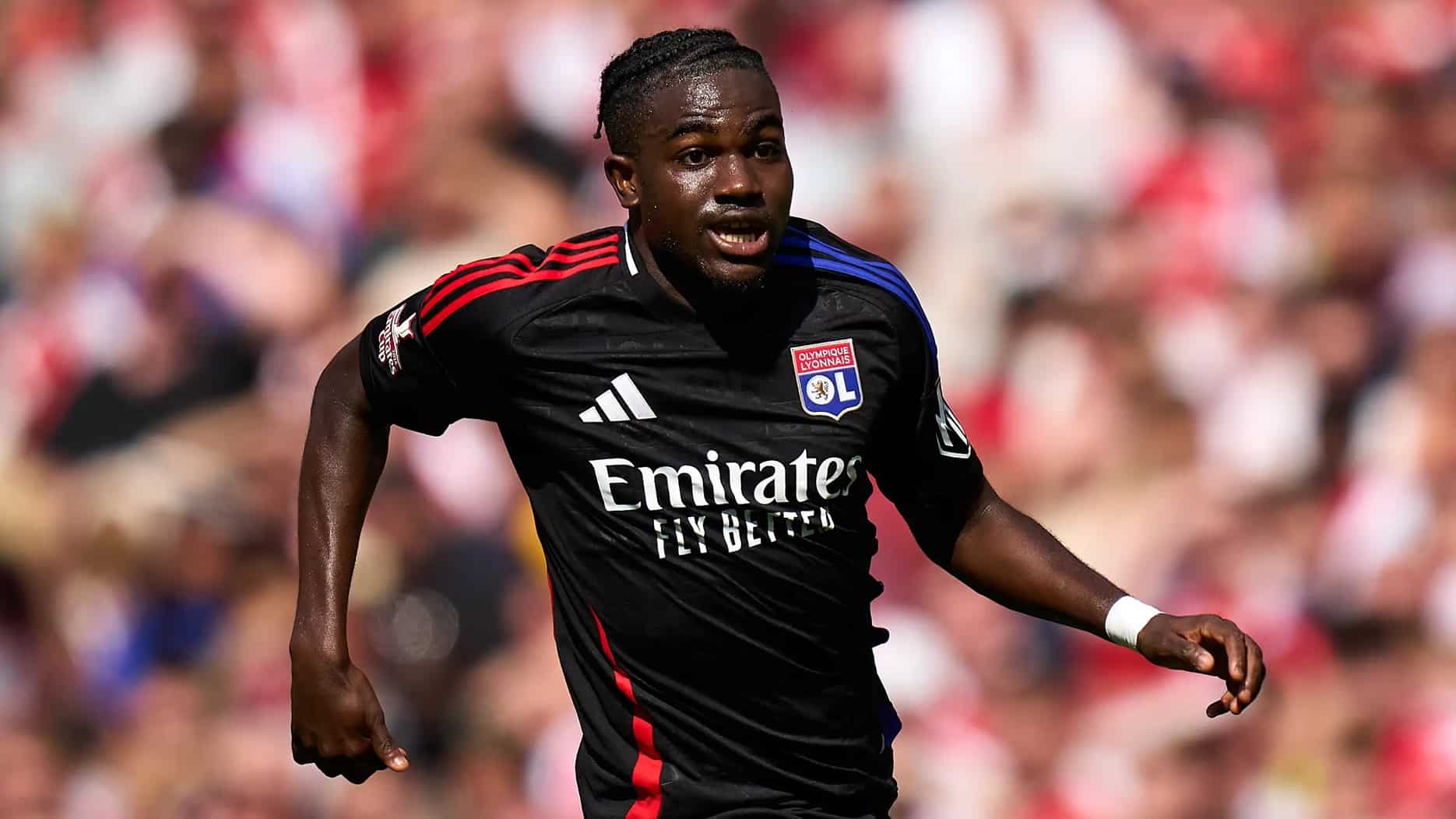
Pooley was a beloved figure in Ghana’s football fraternity, known for his unwavering loyalty and dedication to Asante Kotoko. His passion for the club was evident in his lifelong commitment, as he played a pivotal role in shaping its success both on and off the pitch. His presence at matches, training sessions, and club activities symbolized his deep connection to Kotoko, earning him the admiration of players, management, and fans. Pooley’s contributions extended beyond the field, as he worked tirelessly to uphold the club’s legacy and inspire younger generations to carry on its rich traditions.
His dedication was not limited to Kotoko alone but also to Ghanaian football as a whole. Over the decades, Pooley became a significant figure in the country’s football community, advocating for the sport’s growth and development. His experience, wisdom, and mentorship benefited many aspiring footballers and administrators, reinforcing his influence within the football ecosystem. His interactions with the football fraternity highlighted his passion for the game and his desire to see Ghanaian football flourish on both the domestic and international stages. His commitment to the sport was unwavering, making his passing a devastating loss to the entire football community.
His tragic passing, however, has left many questioning the underlying health and welfare systems for football personnel in the country. Despite his years of dedication and service, concerns have emerged about the level of support available for individuals who devote their lives to football. The incident has sparked discussions on the need for improved healthcare, financial security, and welfare programs for both active and retired football personnel. As Ghana mourns the loss of a great football personality, his passing serves as a reminder of the urgent need to prioritize the well-being of those who contribute immensely to the country’s footballing success.
The Last Moments – A Desperate Plea for Help
According to a senior Kotoko official who was present, Pooley showed visible distress in his final hours. Witnesses recall how he appeared increasingly uncomfortable, struggling with severe chest pains that escalated rapidly. His suffering was evident to those around him, prompting an immediate call for medical assistance. However, despite the urgency of the situation, the necessary help did not arrive in time to stabilize his condition. The heartbreaking nature of his final moments has left many in shock, as they remember him as a passionate and dedicated figure who had given his all to Ghanaian football.
Reports indicate that he was suffering from acute chest pains, and despite efforts to seek medical assistance, his condition worsened rapidly. Those around him did everything they could to provide comfort and support, but his deteriorating state created a sense of helplessness. The lack of immediate medical intervention became increasingly apparent as the minutes passed, raising serious concerns about the level of emergency preparedness within football clubs. His sudden decline has sparked discussions about how preventable such tragedies could be if better health infrastructure were in place.
“He even got down on his knees to plead for help. We tried our best to rush him to a nearby medical facility, but unfortunately, he couldn’t make it,” the official revealed during an interview with Ghana Sports News. This desperate act highlights the severity of his distress and the critical need for improved emergency response measures. For a man who had dedicated so much of his life to the sport and his beloved Kotoko, his final moments should not have been filled with such desperation and struggle. His passing has deeply affected the football community, bringing attention to the urgent need for reforms in player and staff welfare.
His passing has raised concerns about emergency medical response within football clubs in Ghana, highlighting the need for better health insurance, routine medical checks, and access to immediate first-aid assistance at club facilities. Many within the football fraternity are now calling for a review of health policies to ensure that no other player, coach, or staff member faces a similar fate. Proper medical care should be a fundamental part of any football club’s structure, ensuring that individuals who commit their lives to the sport receive the care and attention they deserve. Pooley’s untimely death serves as a wake-up call, urging authorities and club management to take immediate action to safeguard the well-being of football personnel across the country.
A Wake-up Call for Ghana Football
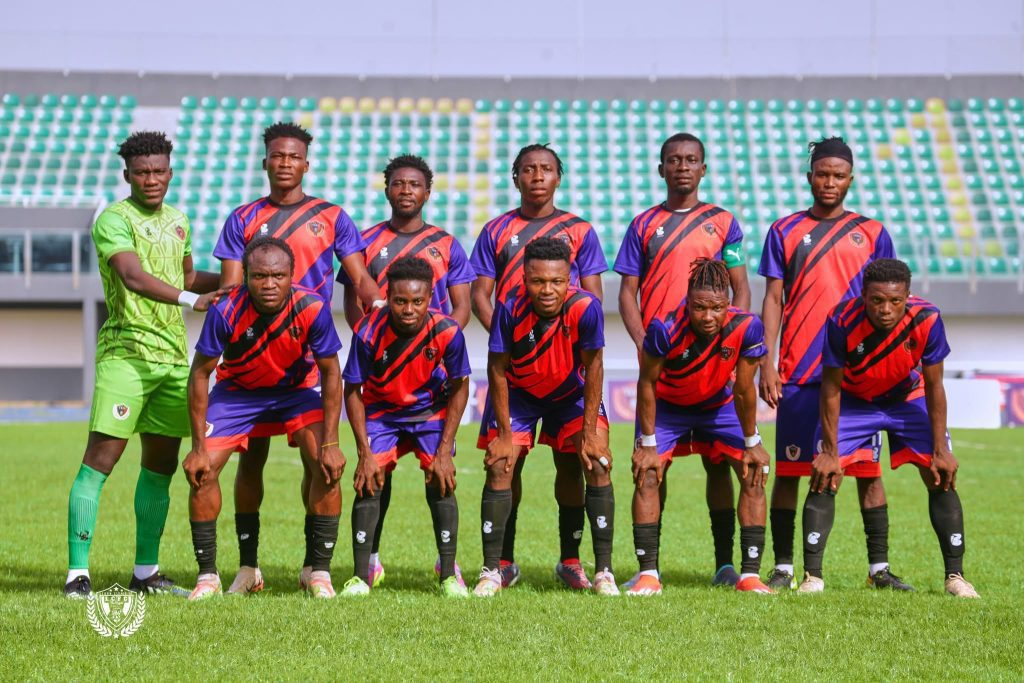
Football analysts and fans alike are calling for systematic changes in the medical preparedness of Ghana Premier League clubs. The tragedy has shed light on the gaps in emergency response within club facilities, raising concerns about whether teams are adequately equipped to handle critical situations. Many believe that the absence of proper medical infrastructure and trained personnel at club levels has made footballers, coaches, and staff vulnerable to preventable health crises. As discussions intensify, there is growing pressure on clubs and football authorities to take decisive action to address these shortcomings before another tragedy strikes.
The tragedy has sparked conversations on whether teams have adequate medical facilities to respond to emergencies effectively. While some clubs may have basic medical provisions, many lack the necessary resources to provide immediate life-saving interventions in critical situations. The need for on-site medical personnel, well-equipped ambulances, and access to nearby medical facilities has become a major talking point among football stakeholders. Fans and experts argue that investing in health and safety measures is just as crucial as developing talent and improving league competitiveness. Without proper medical systems in place, the risk of losing more lives remains a grim reality.
With Ghana’s thriving sports betting industry and the growing engagement of fans in football events, prioritizing player and staff welfare is paramount. The increasing commercialization of the sport has brought in revenue streams that should be redirected toward improving medical standards. Football clubs benefit from fan support, sponsorship deals, and broadcasting rights, yet many still operate without a structured medical response system. Analysts insist that a portion of the financial gains from the football industry should be allocated to implementing better health insurance plans, routine medical screenings, and immediate first-aid assistance at club facilities. Ensuring the safety and well-being of all personnel involved in the sport should be a non-negotiable priority.
A statement from the Ghana Football Association (GFA) expressed deep condolences, while also emphasizing the importance of improving medical infrastructure at club levels. The association acknowledged the need for urgent reforms and assured the public that steps would be taken to prevent similar occurrences in the future. However, football enthusiasts and stakeholders are calling for more than just words; they demand concrete actions and enforceable policies that will hold clubs accountable for medical preparedness. Pooley’s passing has served as a painful but necessary wake-up call, urging football authorities to make long-term commitments toward safeguarding the health of those who dedicate their lives to the beautiful game.
Reactions from the Football Community
The announcement of Pooley’s passing sent shockwaves across Ghana’s football circles, with tributes pouring in from players, coaches, and fans. The news spread rapidly, leaving the football community in deep mourning as they struggled to come to terms with the loss of such a dedicated figure. Pooley’s contributions to Asante Kotoko and Ghanaian football were widely recognized, and his absence leaves a significant void. Many who had the privilege of knowing him have shared their grief, recalling his unwavering passion for the sport and the profound influence he had on those around him.
Social media platforms have been flooded with messages of condolences, reflecting his immense impact on Ghanaian football. Fans, former players, and journalists have used various platforms to express their sorrow and appreciation for his lifelong dedication to the game. Hashtags in his honor have been trending, with supporters sharing stories and pictures to celebrate his legacy. The overwhelming online response has demonstrated how deeply Pooley was loved and respected, not just by the Kotoko fraternity but by the entire football community.
Former Kotoko players such as Daniel Nii Adjei and Stephen Oduro shared heartfelt messages, calling for improved health monitoring of club officials and players alike. Their sentiments echoed growing concerns over the lack of comprehensive health care within Ghanaian football, with many urging clubs and the Ghana Football Association (GFA) to take immediate action. The tributes from former players highlighted the strong bond Pooley had with those he worked with, reinforcing the urgent need for better welfare structures in the sport. Many former and current players have since joined the call for reforms, emphasizing that Pooley’s passing should not be in vain.
“It’s heartbreaking to lose a man like Pooley. He was not just a member of the club; he was family. This is a wake-up call for everyone in football administration to take player and staff welfare more seriously,” Oduro posted on Twitter. His statement resonated deeply with fans and stakeholders alike, with many agreeing that football clubs must prioritize the well-being of their staff just as much as their players. The emotional tributes continue to pour in, as the football community not only mourns a great man but also demands meaningful changes to ensure that such tragedies are prevented in the future.
The Role of Football Betting and Sponsorship in Football Welfare
With the rise of sports betting platforms like Bangbet, which provides fans with an opportunity to engage in football through responsible betting, there is a growing need for reinvesting betting revenues into football development. The popularity of sports betting has significantly increased revenue streams in the football industry, creating an avenue for financial support that can be directed toward crucial areas such as player welfare and medical preparedness. Betting firms benefit immensely from football viewership and fan engagement, making it only fair for a portion of these profits to be reinvested in improving the conditions within the sport.
Sports betting companies and sponsors play a crucial role in supporting clubs financially. Their contributions often help teams cover operational costs, player salaries, and even stadium improvements. However, as football continues to evolve, so should the responsibilities of these stakeholders. The call for proper medical infrastructure should include partnerships between betting firms and football clubs to provide better healthcare for players and officials. By channeling a fraction of their sponsorship and advertising budgets toward medical facilities, betting companies can help ensure that players and club staff receive the medical attention they need, especially during emergencies.
The industry can contribute to medical insurance schemes for club members, ensuring swift medical attention when needed. Clubs often struggle with financing adequate healthcare programs for their players and staff, leading to cases where medical emergencies result in tragic losses. Betting companies and corporate sponsors can step in by funding comprehensive health insurance plans, supporting routine medical checkups, and equipping stadiums with advanced first-aid facilities. These initiatives would not only improve the overall welfare of those involved in football but also enhance the credibility and social responsibility of betting firms within the sports industry.
Bangbet News continues to cover the latest updates in Ghanaian football, including crucial developments in league policies, player health, and club management strategies. With increasing conversations around player welfare, betting firms, and football authorities must take concrete steps toward implementing sustainable healthcare solutions. Media platforms like Bangbet Ghana News play a vital role in keeping the public informed and holding stakeholders accountable for ensuring the safety and well-being of football personnel. As the conversation grows, tangible actions must be taken to transform the landscape of football welfare in Ghana, setting a precedent for long-term improvements in the sport.
GFA’s Response and Next Steps
The Ghana Football Association (GFA) has since responded to the tragedy by promising to review medical regulations for local clubs. Recognizing the urgent need for improved health standards, the association has initiated discussions on strengthening medical preparedness within football clubs across the country. This commitment comes as football stakeholders, players, and fans continue to voice concerns over the gaps in medical infrastructure and emergency response. The GFA’s response signals a willingness to address these issues, ensuring that similar incidents are prevented in the future.
There are talks of mandatory health screenings for players and officials before the start of every season. These screenings would serve as a preventive measure to detect underlying health conditions and minimize health risks during football activities. If implemented, the initiative could significantly enhance player and staff welfare, helping clubs identify medical concerns early and provide necessary treatment. The proposal also includes regular medical checkups throughout the season, ensuring continuous monitoring of the health and well-being of those involved in the sport.
Beyond health screenings, the GFA is also exploring additional measures to improve medical readiness at club levels. Discussions include equipping stadiums with fully functional medical facilities, training club medical personnel, and enforcing policies that mandate the presence of qualified healthcare professionals during matches. These steps are expected to be incorporated into Ghanaian football’s broader development strategy, aligning with global best practices. While the association’s commitment is promising, fans and football analysts are eager to see concrete actions that will bring about lasting improvements in football welfare across the country.
A Legacy That Will Live On
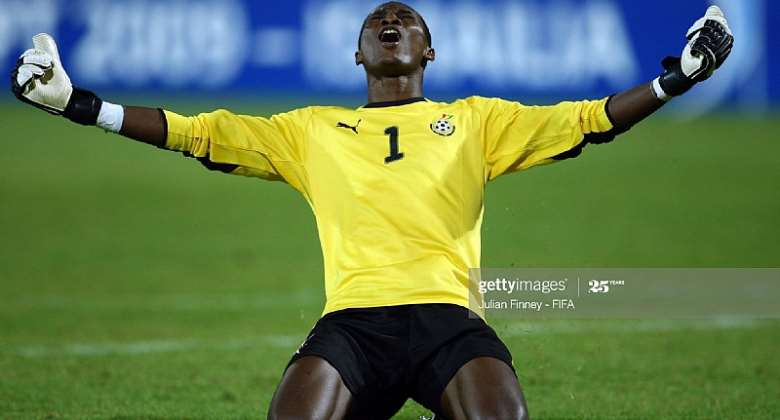
Pooley’s contributions to Asante Kotoko and Ghana football will never be forgotten. His dedication, passion, and commitment to the club remain an inspiration to many. In his memory, several fans have suggested naming a section of the Baba Yara Sports Stadium after him.
As we remember Pooley’s legacy, let us also advocate for change. Football in Ghana is more than just a sport; it is a way of life. Ensuring the well-being of players, coaches, and club staff should be a top priority.
For more updates on Ghana football and hot sports events, stay tuned to Bangbet Ghana News.