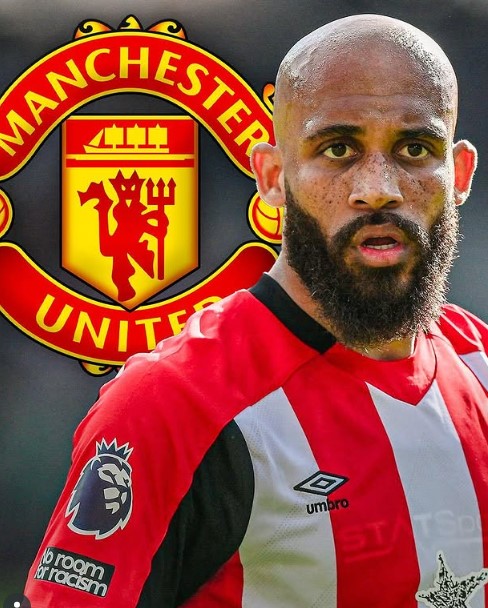
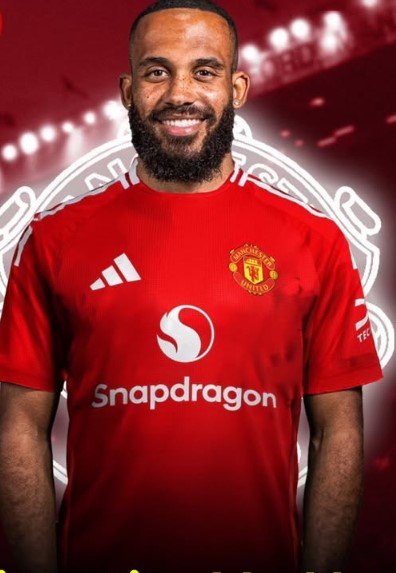
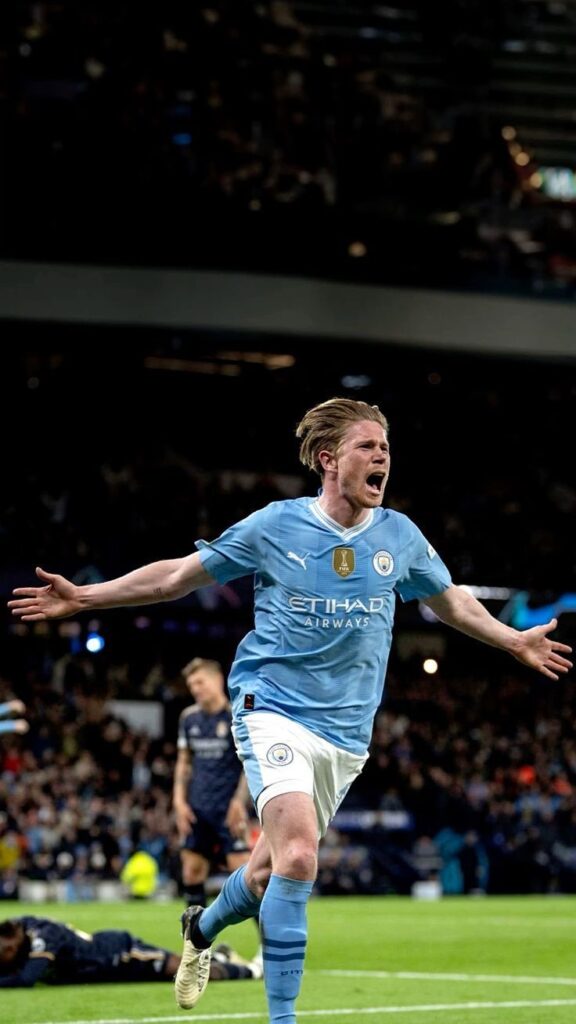
Manchester United have officially entered club-to-club negotiations with Brentford over the signing of Bryan Mbeumo, as the Red Devils look to bolster their attacking options ahead of the 2025/26 season.
United’s initial bid of £45 million plus £10 million in add-ons has been rejected, with Brentford holding firm on their£65-70 million valuation of the Cameroonian forward. Despite the financial gap, talks remain ongoing, as United are determined to secure Mbeumo’s services.
Mbeumo’s Desire to Join United
Mbeumo has alreadyagreed personal terms with Manchester United, rejecting offers from three other Premier League clubs in favor of a move to Old Trafford. His decision signals his belief in United’s project under Rúben Amorim, who is keen to revamp the squad following a disappointing 15th-place finish last season.
United’s attacking struggles were evident last season, with the team managing just 44 goals in 38 Premier League matches. The club’s hierarchy has prioritized reinforcements in attack, and Mbeumo’s profile fits the bill perfectly.
Here’s why United are pushing for his signature:
photo courtesy
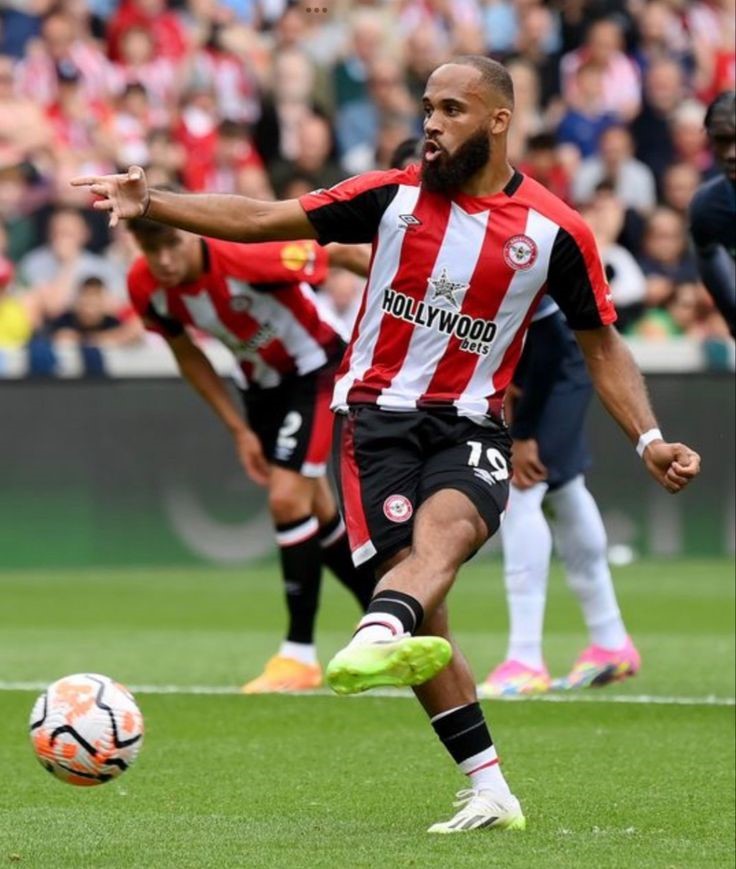
Versatility: Mbeumo can operate as a right winger, second striker, or center-forward, offering tactical flexibility.
Goal Contribution: His ability to score and assist makes him a valuable asset in United’s attacking rebuild.
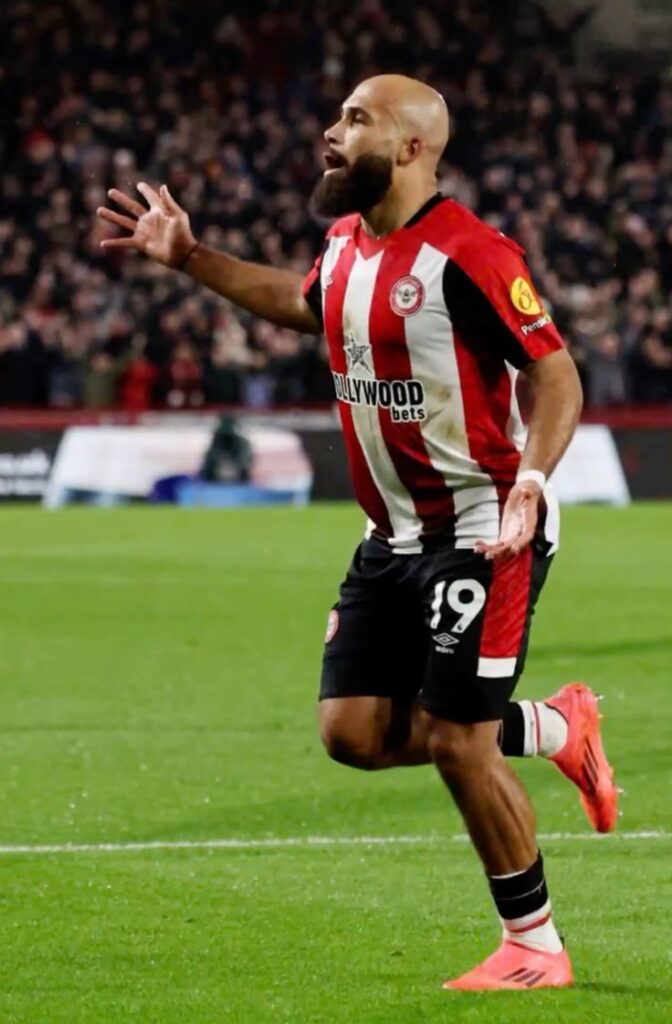
Work Rate: Mbeumo is one of the hardest-working forwards in the league, covering extensive ground and pressing aggressively.
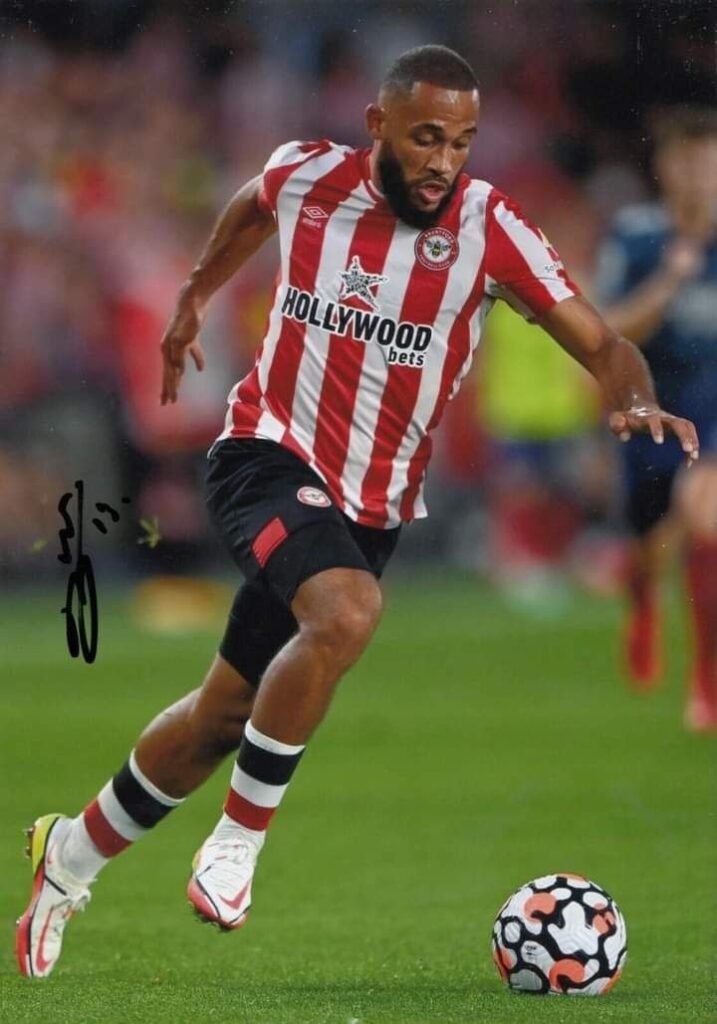
Premier League Experience: Having played in England’s top flight since 2021, he is well-adapted to the league’s intensity.
United have already secured Matheus Cunha from Wolves for £62.5 million, and adding Mbeumo would further strengthen their attacking depth. The club is also working on offloading high-wage players to free up funds for new signings.
With Brentford standing firm on their valuation, United may need to increase their bid or negotiate structured payments to finalize the deal.
photo courtesy
Final Thoughts
Mbeumo’s potential arrival at Old Trafford could be a game-changer for United, providing much-needed attacking firepower. His goal-scoring ability, versatility, and relentless work rate make him an ideal fit for Amorim’s tactical setup.
As negotiations continue, United fans will be eagerly awaiting updates, hoping their club can secure one of the Premier League’s most underrated attacking talents.
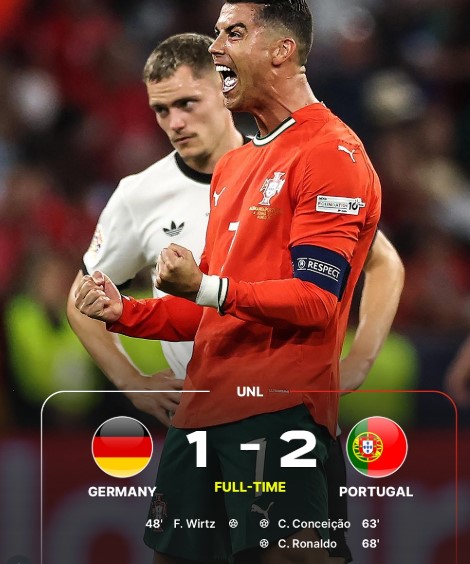
Portugal secured their place in the UEFA Nations League final after a thrilling 2-1 comeback victory against Germany at the Allianz Arena in Munich. Despite falling behind in the second half, Portugal rallied with goals from Francisco Conceição and Cristiano Ronaldo, proving their resilience on the big stage.
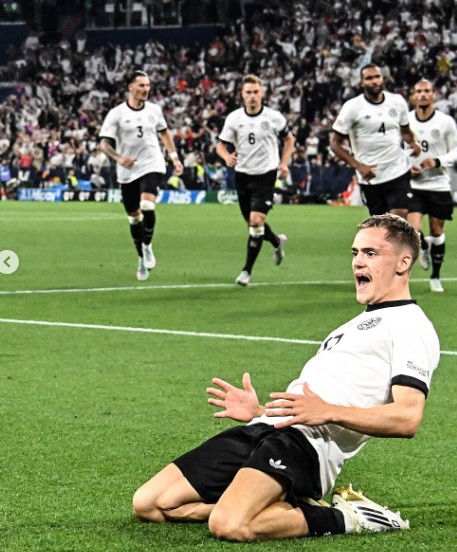
Germany started the match with confidence, controlling possession and creating early chances. Their breakthrough came in the 48th minute, when Florian Wirtz expertly headed home a Joshua Kimmich cross, giving the hosts a 1-0 lead.
photo courtesy
Portugal protested the goal, arguing that Nick Woltemade had obstructed Rúben Dias, but after a VAR review, the referee allowed the goal to stand
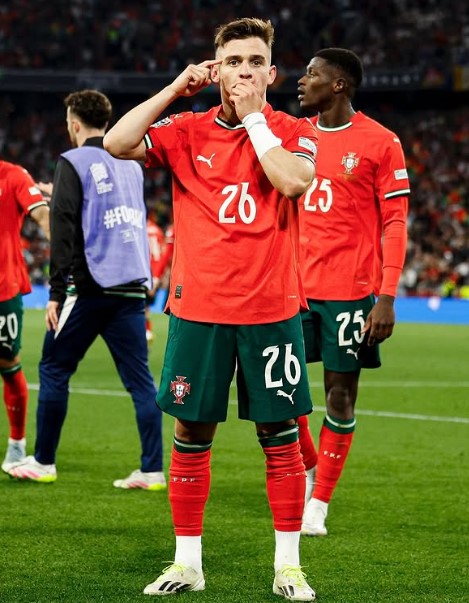
Portugal responded swiftly, with Francisco Conceição making an immediate impact after coming off the bench. The 22-year-old winger curled a stunning shot past Marc-André ter Stegen in the 63rd minute, leveling the score at 1-1.
photo courtesy
Just five minutes later, Portugal completed their comeback. Nuno Mendes delivered a precise cross into the box, andCristiano Ronaldo—showing his legendary goal-scoring instincts—slotted home his 137th international goal, securing a 2-1 victory for Portugal.
At 40 years old, Ronaldo continues to defy expectations, proving that age is just a number. His leadership and ability to deliver in crucial moments remain unmatched, making him a vital asset for Portugal.
photo courtesy
With this win, Portugal advances to the Nations League final, where they will face either Spain or France on June 8
Portugal’s journey to the final has been anything but easy. After losing 1-0 to Denmark in the quarterfinal first leg, they staged a dramatic 5-2 comeback in Lisbon to secure their semifinal spot.
Now, with momentum on their side, Portugal will aim to become the first team to win the UEFA Nations League twice, having previously lifted the trophy in 2019.
Stay updated on UEFA Nations League Matches right here on BangetNews.
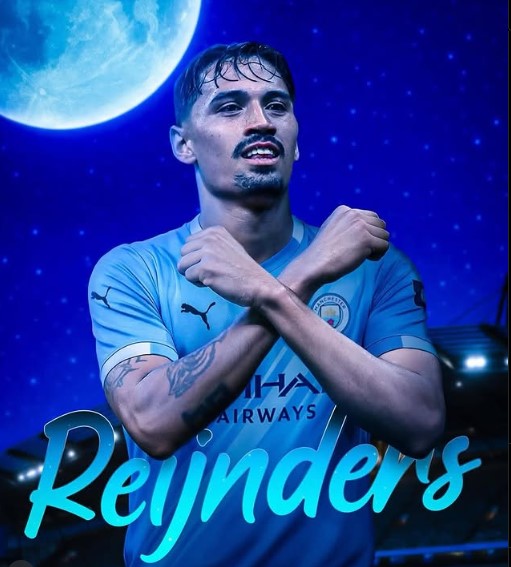
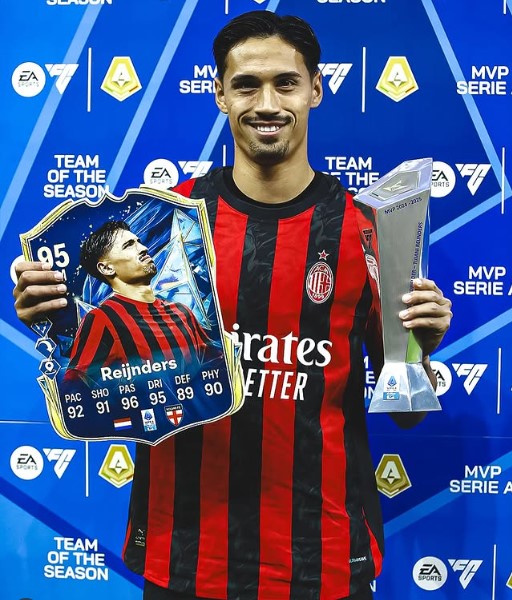
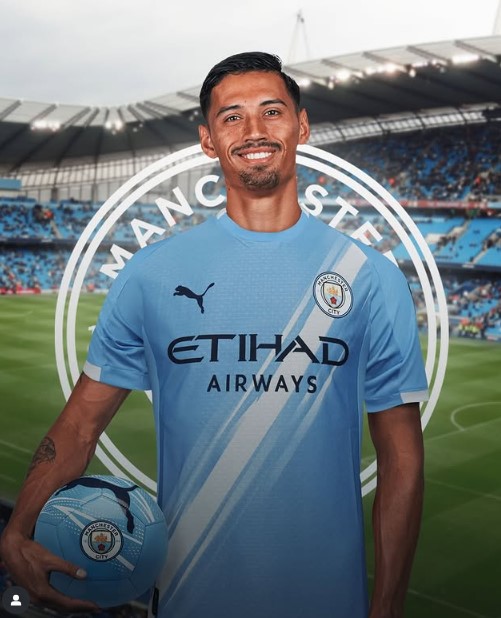
Manchester City have reached a verbal agreement with AC Milan to sign Dutch midfielder Tijjani Reijnders in a deal worth €70 million, including add-ons. The move marks another strategic signing for Pep Guardiola, as City look to reinforce their midfield following the departure of Kevin De Bruyne.
Reijnders joined AC Milan in July 2023 from AZ Alkmaar and quickly established himself as a key figure in the Rossoneri midfield. His ability to dictate play, progress the ball, and contribute defensively made him one of Milan’s most reliable performers.
Across two seasons at Milan, Reijnders made 104 appearances, scoring 19 goals and providing 9 assists. His performances helped Milan secure the Supercoppa Italiana in 2024/25.
Manchester City’s midfield is undergoing a transformation, with Rodri remaining the anchor while younger talents like Phil Foden and Mateo Kovačić take on more responsibility. Reijnders’ arrival ensures City maintain their possession-based dominance, while adding fresh energy to their midfield.
photo courtesy
Guardiola has long admired midfielders who can control tempo, dictate play, and contribute defensively, and Reijnders fits that mold perfectly. His ability to link defense to attack will be crucial as City aim to retain their Premier League and Champions League titles.
Final Thoughts
Reijnders’ move to Manchester City is a statement signing, reinforcing Guardiola’s midfield with a technically gifted and tactically intelligent player. His ability to balance creativity with defensive solidity makes him an ideal successor to De Bruyne.
As City prepare for the Club World Cup, Reijnders could make his debut as early as June 18, when City face Wydad AC. Fans will be eager to see how he integrates into Guardiola’s system and whether he can replicate his Milan success in the Premier League.
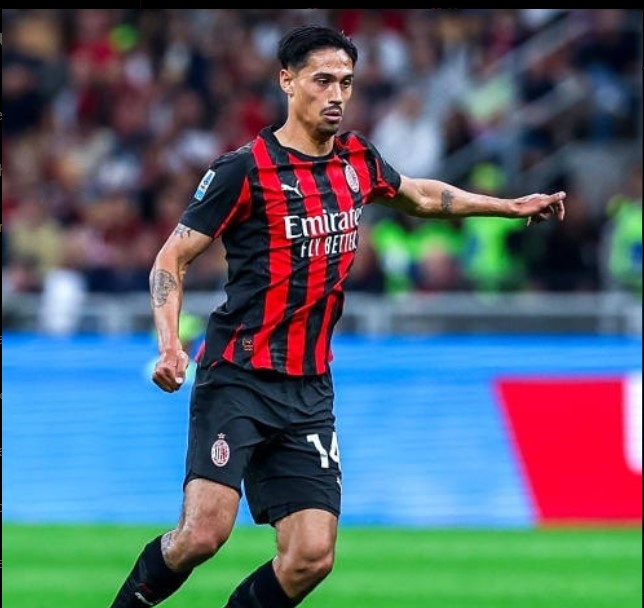
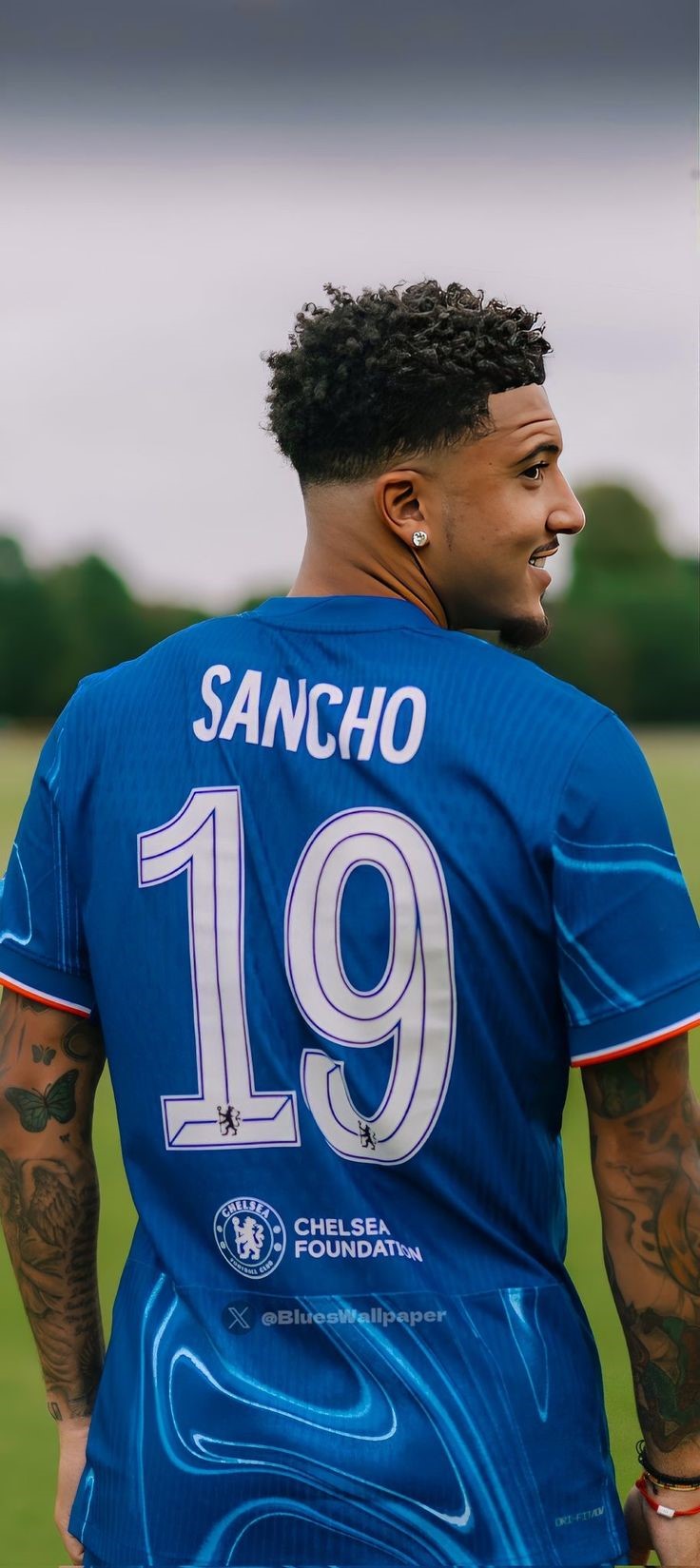
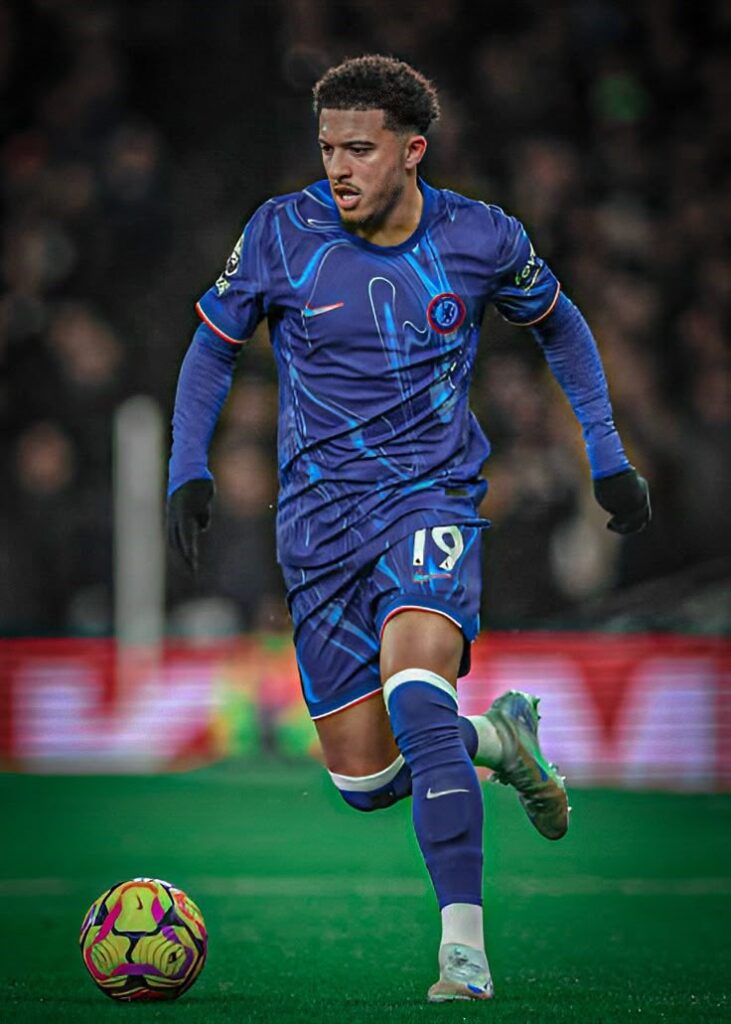
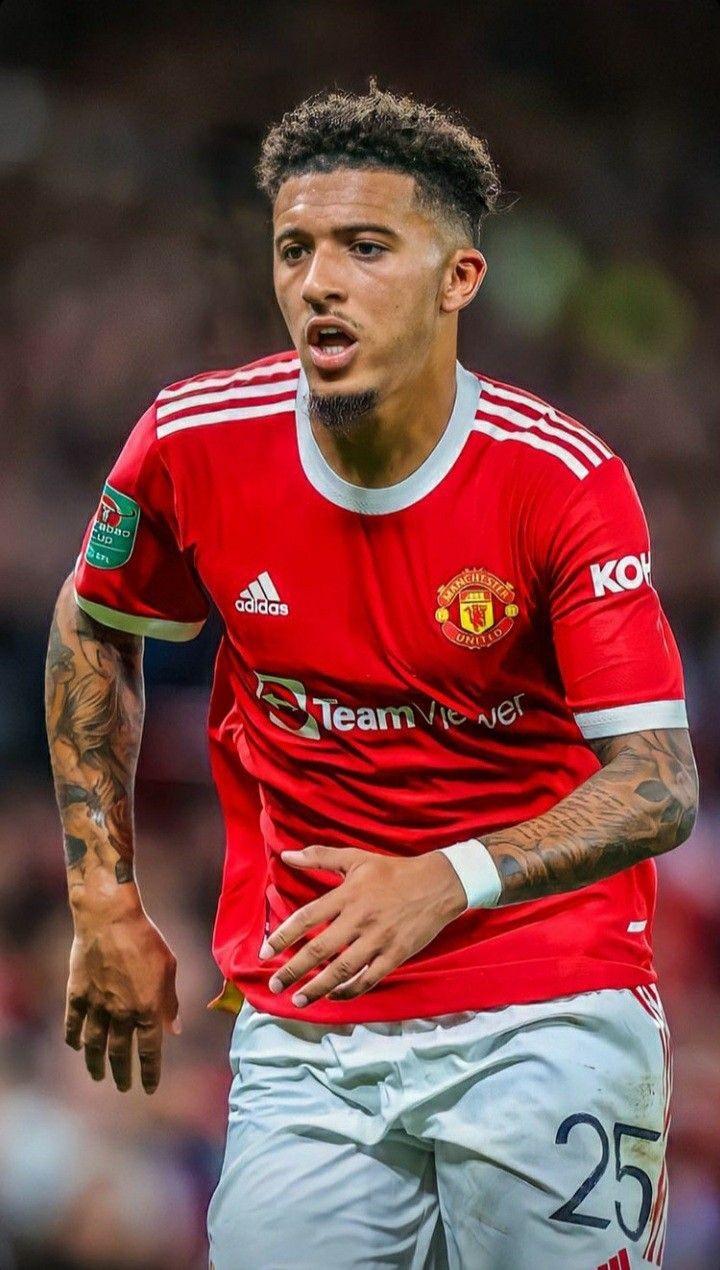
Jadon Sancho’s future remains uncertain as Chelsea decides against making his loan move permanent, despite his contributions to their UEFA Conference League triumph. The winger, who played a pivotal role in Chelsea’s European success, will now return to Manchester United, where his long-term prospects remain unclear.
Chelsea’s Decision: Why Sancho Won’t Stay
Sancho’s loan deal included a £25 million obligation to buy, but Chelsea chose to pay a £5 million penalty instead, effectively terminating the agreement. The club reportedly asked Sancho to accept a significant wage reduction, but negotiations broke down, leading to his departure.
With Manchester United struggling to find form, Sancho’s return raises questions about his role in the squad. United’s 15th-place finish in the Premier League suggests a major rebuild is needed, and Sancho may not fit into new manager Rúben Amorim’s plans
photo courtesy
Several European clubs have previously shown interest in Sancho, and a summer move remains a possibility. His wages and inconsistent performances at United could make negotiations tricky, but a fresh start elsewhere might be the best option for his career.
Final Thoughts
Sancho’s Chelsea stint was promising but not enough to convince the club to invest long-term. His return to Manchester United adds another layer of uncertainty to an already turbulent squad. Whether he stays or moves on, his next step will be crucial in determining his future at the top level.
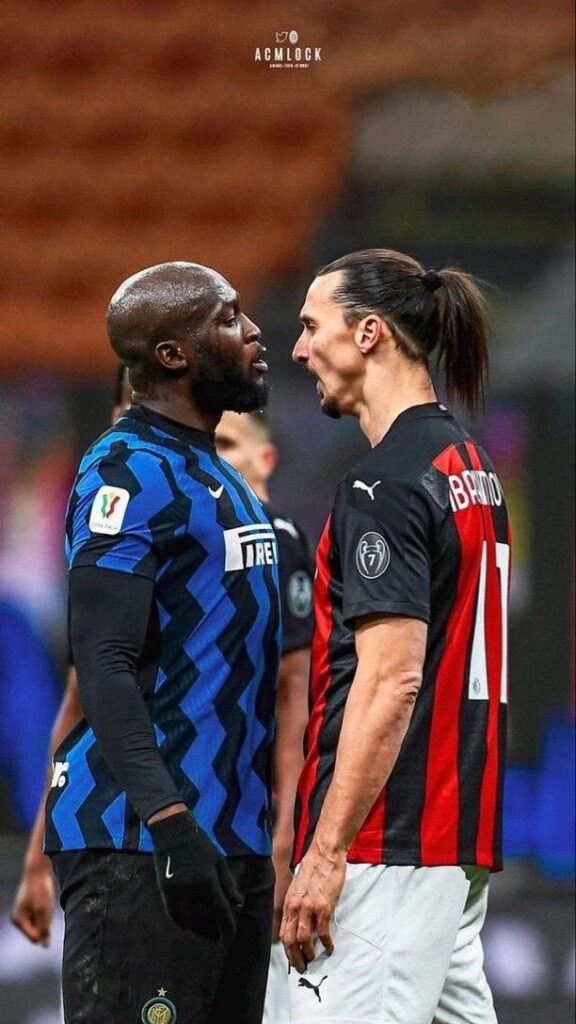
Football rivalries, while sometimes overlapping with derbies, represent a broader and often more intense animosity between clubs. While a derby is primarily defined by geographical proximity (e.g., two clubs from the same city or region), a rivalry can transcend location, driven by historical competition for titles, clashes in major finals, political or social differences, or even memorable incidents on the pitch.
Nature of Rivalry: This is arguably the most famous football rivalry in the world and serves as the quintessential example of a rivalry that is also a derby. It transcends sport, embodying the historical and political tensions between the Spanish capital (Castilian nationalism) and Catalonia (Catalan independence movement). This deep-seated animosity, combined with both clubs’ consistent pursuit of domestic and European dominance, makes every El Clásico a global spectacle.
Historical Context: The rivalry intensified during the Francoist era, with Real Madrid often seen as the regime’s club and Barcelona representing resistance and a symbol of Catalan identity.
Head-to-Head (Official Competitive Matches as of May 11, 2025):
Total Matches: 261
Real Madrid Wins: 105
FC Barcelona Wins: 104
Draws: 52
Key Stats:
Top Scorer: Lionel Messi (FC Barcelona) – 26 goals.
Largest Victory: Real Madrid 11-1 FC Barcelona (Copa del Rey, 1943) – a highly controversial match.
The rivalry has been particularly intense during eras featuring legendary player matchups, such as the duels between Alfredo Di Stéfano and László Kubala, or more recently, Cristiano Ronaldo and Lionel Messi.
Location: Northwest England (Liverpool vs. Manchester)
Nature of Rivalry: This is a classic inter-city rivalry, not a local derby, driven by the industrial and economic competition between the two cities in the 19th century, which then spilled over into football. It’s a battle between England’s two most decorated clubs, constantly vying for supremacy in terms of league titles, FA Cups, and European success.
Historical Context: The construction of the Manchester Ship Canal, bypassing Liverpool’s docks, exacerbated pre-existing industrial tensions. On the pitch, both clubs experienced periods of prolonged dominance, making their clashes direct battles for silverware.
Head-to-Head (All Competitions as of May 30, 2025):
Total Matches: 216
Manchester United Wins: 83
Liverpool Wins: 72
Draws: 61
Key Stats:
Top Scorer: Mohamed Salah (Liverpool) – 16 goals.
Largest Victory: Liverpool 7-0 Manchester United (Premier League, 2023).
The rivalry is infamous for its passionate atmosphere, with players like Steven Gerrard and Gary Neville embodying the deep-seated animosity. Tragic events like the Munich Air Disaster and Hillsborough have unfortunately also been referenced in vile chants by a minority of fans, adding a dark edge to the rivalry.
Location: Glasgow, Scotland (a city derby, but with immense broader rivalry significance)
Nature of Rivalry: Beyond geographical proximity, the Old Firm is defined by deep sectarian and political divisions. Celtic is historically associated with the Catholic, Irish immigrant community, while Rangers are linked with Protestant, Unionist tradition. This makes it arguably the most religiously and politically charged rivalry in world football, where football is a proxy for deeper societal tensions.
Historical Context: The rivalry dates back to the late 19th century and has been intensified by decades of domestic dominance shared almost exclusively between the two clubs.
Head-to-Head (Major Competitions as of May 4, 2025):
Total Matches: 446
Rangers Wins: 171
Celtic Wins: 170
Draws: 105
Key Stats:
Largest Victory: Celtic 7-1 Rangers (Scottish League Cup, 1957).
The two clubs have won a combined 110 Scottish League Championships (55 each), showcasing their unparalleled dominance in Scottish football.
Nature of Rivalry: Named by Italian journalist Gianni Brera in 1967 as the “Derby of Italy” because it pitted the two clubs with the largest fan bases across the country and the most significant historical success at the time. It’s a clash of titans for national supremacy, often marked by controversy and intense tactical battles. The 2006 Calciopoli scandal, which saw Juventus relegated and stripped of titles, further inflamed this already heated rivalry.
Historical Context: The rivalry gained prominence in the 1960s as both clubs consistently challenged for and won Serie A titles and European honors.
Head-to-Head (All Official Competitions as of February 16, 2025):
Total Matches: 253
Juventus Wins: 113
Inter Milan Wins: 77
Draws: 63
Key Stats:
Largest Victory: Juventus 9-1 Inter Milan (Serie A, 1961).
The rivalry is known for its intense tactical battles and controversial moments, particularly following the Calciopoli sca
Location: Buenos Aires, Argentina (city derby with national and global rivalry status)
Nature of Rivalry: Often cited as the most passionate and intense rivalry in world football. It divides families and the nation, representing a clash of social classes (Boca as the working-class club from La Boca, River as the more affluent, “millionaires” club from Núñez). The atmosphere at La Bombonera and El Monumental during these matches is legendary.
Historical Context: The rivalry originated from the shared working-class docks area of Buenos Aires, with River Plate later moving to a wealthier neighborhood.
Head-to-Head (Official Matches as of April 27, 2025):
Total Matches: 265
Boca Juniors Wins: 91
River Plate Wins: 89
Draws: 85
Key Stats:
Largest Victory: Boca Juniors 6-0 River Plate (1928).
The rivalry produced historic Copa Libertadores finals, including the 2018 final played in Madrid due to security concerns.
Nature of Rivalry: This inter-city rivalry pits the artistic, culturally rich capital (Ajax) against the hardworking, industrial port city (Feyenoord). It’s a fundamental clash of identities and footballing philosophies in the Netherlands, with both clubs being the most successful in the country.
Historical Context: The rivalry intensified after the professionalization of Dutch football in the 1950s and during their respective European successes in the 1970s.
Head-to-Head (All Competitions as of February 2, 2025):
Total Matches: 207
Ajax Wins: 95
Feyenoord Wins: 63
Draws: 49
Key Stats:
Largest Victory: Ajax 8-2 Feyenoord (1983); Feyenoord 6-0 Ajax (2024).
Matches are often highly charged, with fan violence being a concern in the past, leading to restrictions on away fans.
Location: London, England (a London derby, but increasingly a fierce rivalry for top honors)
Nature of Rivalry: While not historically as deep as some other rivalries, the animosity between Chelsea and Tottenham has escalated significantly in the 21st century, fueled by battles for Champions League spots, cup finals, and Premier League titles. The “Battle of the Bridge” in 2016, where Chelsea ended Spurs’ title hopes, cemented its place as a truly fierce rivalry.
Historical Context: While early matches had needle, the intensity grew after the 1967 FA Cup final (the first all-London final) and particularly in the modern Premier League era as both clubs became consistent contenders.
Head-to-Head (All Competitions as of April 3, 2025):
Total Matches: 179
Chelsea Wins: 81
Tottenham Hotspur Wins: 55
Draws: 43
Key Stats:
Top Scorer: Jimmy Floyd Hasselbaink (Chelsea) – 12 goals.
Largest Victory: Tottenham 5-0 Chelsea (1920); Tottenham 1-6 Chelsea (1997).
“The Battle of the Bridge” saw 12 yellow cards and numerous altercations, highlighting the intense emotions.
Intercontinental Derby (Galatasaray vs. Fenerbahçe, Turkey): Divides Istanbul across continents (Europe vs. Asia) and is characterized by incredibly fervent support and dramatic encounters.
O Clássico (Porto vs. Benfica, Portugal): The dominant rivalry in Portuguese football, representing the two most successful clubs from the country’s two largest cities.
Derby della Capitale (AS Roma vs. Lazio, Italy): A Roman derby fiercely contested between two clubs representing different social and geographical parts of the Eternal City, known for passionate and often controversial encounters.
Conclusion: The Unifying Power of Rivalry
photo courtesy
Football rivalries, whether born from geographical proximity or a prolonged battle for dominance, are the lifeblood of the sport. They transcend mere competition, tapping into deeper societal, historical, and emotional currents. The statistics provide a factual backbone, but it’s the raw passion, the unwavering support, and the sheer unpredictability of these encounters that captivate audiences worldwide. These are the games where history is made, legends are born, and the true spirit of football shines brightest. They are a testament to the enduring power of sporting animosity to unite, divide, and electrify millions.
For expert analysis, real-time updates, and exclusive content on the world’s greatest football rivalries, make sure to visit Bangbet.com!
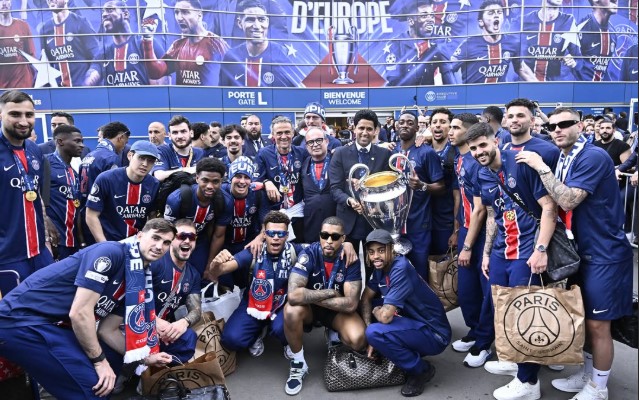
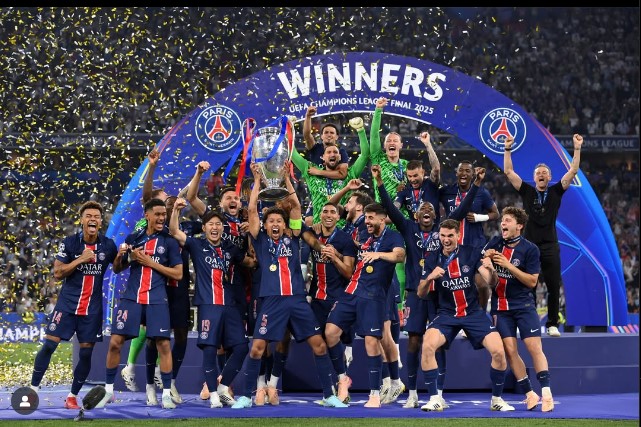
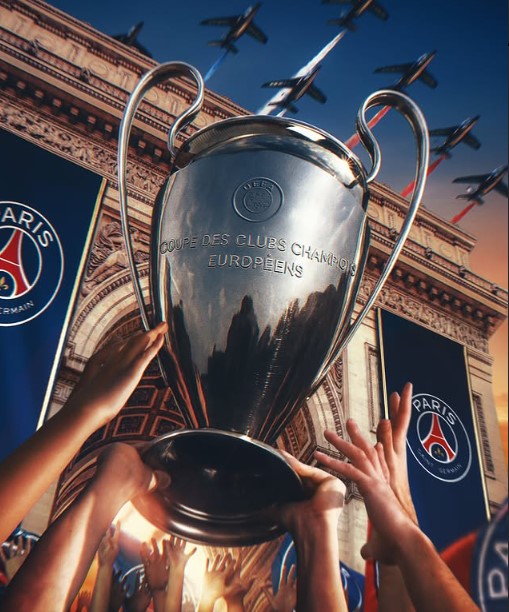
The Allianz Arena bore witness to a historic night as Paris Saint-Germain (PSG) emphatically outclassed Inter Milan 5-0 to claim their maiden UEFA Champions League title. In a thrilling final that showcased determination, tactical prowess, and the brilliance of a vibrant young squad, PSG etched their name into the annals of European football, ending years of agonizing near-misses and establishing themselves as the kings of the continent.
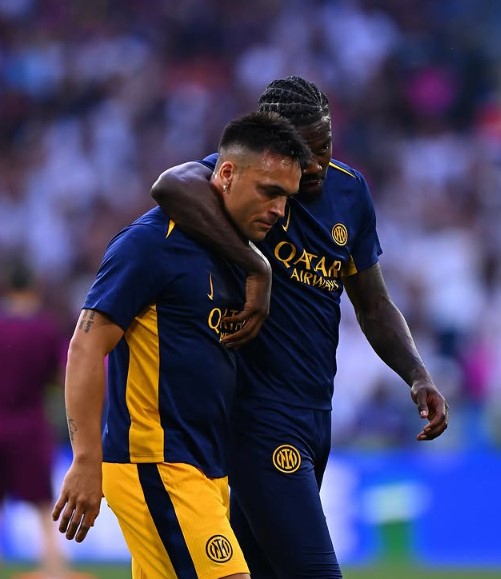
For Inter Milan, it was a night of stark contrast and bitter disappointment. The Nerazzurri appeared slow, lacked creativity, and were overwhelmingly dominated by a relentless PSG side from the first whistle to the last. This heavy defeat marks yet another painful chapter in Inter’s recent Champions League history, adding to their loss against Manchester City in the 2023 final.
photo courtesy
A Demolition Derby: The Goals That Sealed History
From the moment the whistle blew, PSG were on fire, playing with an intensity and cohesion that Inter simply couldn’t match. The opening goal arrived just 12 minutes in, a testament to PSG’s early dominance and fluid attacking play. Moroccan full-back Achraf Hakimi, facing his former club, opened the scoring with a stunning, masterful strike, opting not to celebrate out of respect for his past.
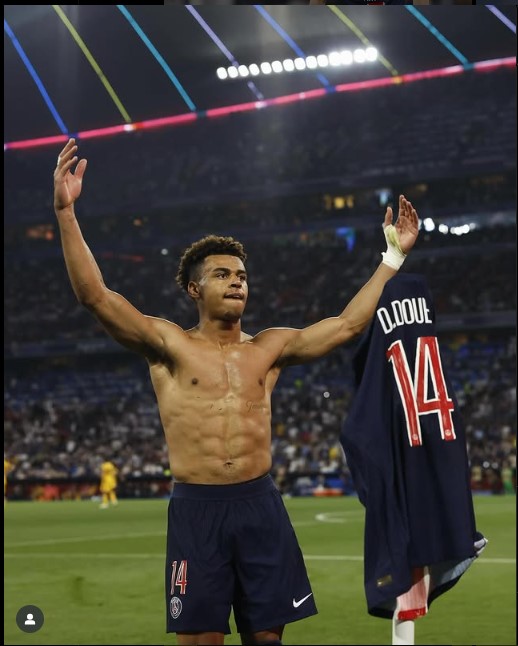
The onslaught continued. In the 20th minute, 19-year-old French sensation Désiré Doué announced himself on the grandest stage. He converted a well-placed shot that took a slight deflection off Inter defender Federico Dimarco, leaving Yann Sommer with no chance and doubling PSG’s lead. This was a pivotal moment, as Doué, in his first Champions League final, showcased incredible composure and skill.
photo courtesy
The third goal, a testament to PSG’s varied attacking threats, came from Georgian winger Khvicha Kvaratskhelia. His powerful and precise finish in the 38th minute further solidified PSG’s control, giving them a commanding 3-0 lead heading into halftime and leaving Inter bewildered.
The second half brought no respite for Inter. The Parisians maintained their relentless pressure, and in the 55th minute, Désiré Doué struck again, netting his second goal of the night. His brace made him the first teenager in Champions League history to score twice in a final, a truly remarkable achievement that underscores his immense potential and the foresight of Luis Enrique.
The final nail in Inter’s coffin came from another burgeoning talent. Substitute Senny Mayulu, also just 19 years old, capped off the historic night with PSG’s fifth goal in the 78th minute. His cool finish put an exclamation mark on what was a truly dominant and unforgettable performance.
The Road to Redemption: Overcoming Adversity
PSG’s journey to this Champions League triumph was not without its trials. Earlier in the campaign, they found themselves on the brink of elimination. However, a crucial 4-2 victory against Manchester City in the group stages proved to be the turning point, breathing new life into their European ambitions. That win, coupled with their consistent domestic form, provided the momentum they needed to navigate the demanding knockout stages, where they notably dispatched top clubs like Liverpool, Aston Villa, and Arsenal en route to the final. Their collective resolve was evident, transforming a team often criticized for individual brilliance into a cohesive, unstoppable force.
For Inter Milan, this Champions League final defeat compounds a season that promised much but ultimately delivered little silverware. Just days before the European final, they had already lost the Serie A title to rivals Napoli by a single point on the final day of the domestic season. Furthermore, their Coppa Italia campaign ended in semi-final disappointment, being eliminated by AC Milan in a heated derby.
photo courtesy
The 5-0 thrashing in Munich means Inter have now lost two Champions League finals in three years to first-time winners (Manchester City in 2023 and PSG in 2025). This string of high-profile losses in critical matches highlights a potential mental or tactical hurdle for Simone Inzaghi’s side, especially when facing teams playing at an elite level. The contrast in energy and creativity between the two sides in the final was stark, with Inter appearing to lack the spark and power needed to compete at this level.
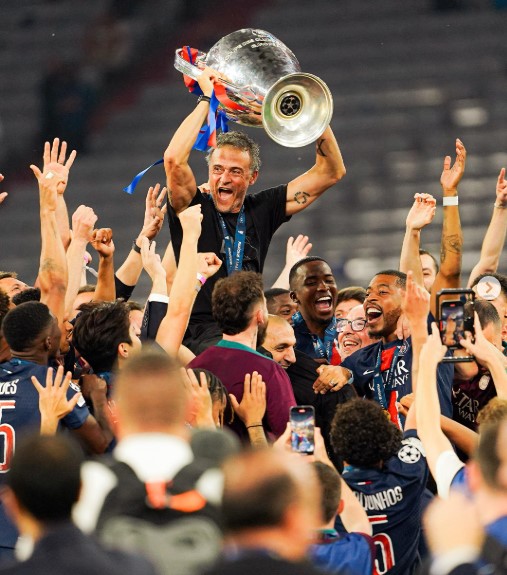
At the heart of PSG’s monumental success is manager Luis Enrique. The Spanish tactician has now achieved a remarkable feat, becoming only the second manager in history, after Pep Guardiola, to win a treble with two different clubs. Having previously guided Barcelona to a historic treble in 2015, Enrique has now replicated this triumph with PSG, securing the Ligue 1 title, the Coupe de France, and now the coveted UEFA Champions League.
This Champions League victory marks a profound shift for PSG. Once seen as a club reliant on individual stars to achieve European glory, they have now proven that a strong collective, guided by a brilliant manager and fueled by youthful exuberance, can reach the pinnacle of club football. The dominance displayed in the final against a seasoned Inter Milan side suggests that this might be just the beginning of a new era of European supremacy for the Parisians. Their tactical flexibility, relentless pressing, and ability to transition quickly from defense to attack proved too much for Inter, who simply couldn’t cope with PSG’s pace and determination.
photo courtesy
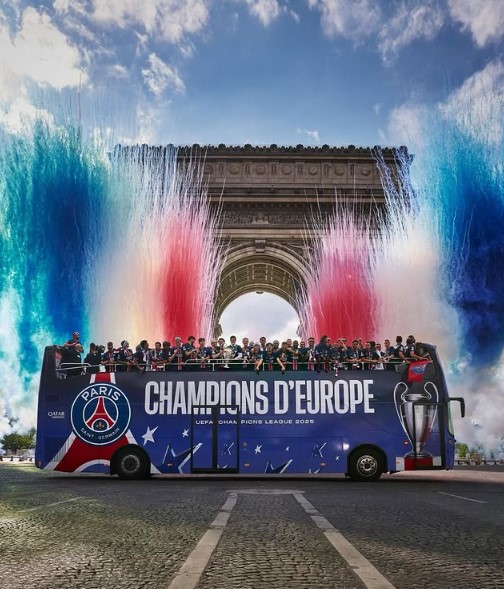
The celebrations in Paris and across the football world will echo for years to come. PSG are no longer just dreamers; they are champions, and the future looks incredibly bright for the club from the French capital.
For all the latest football news, in-depth analysis, and comprehensive betting odds, visit Bangbet.com!
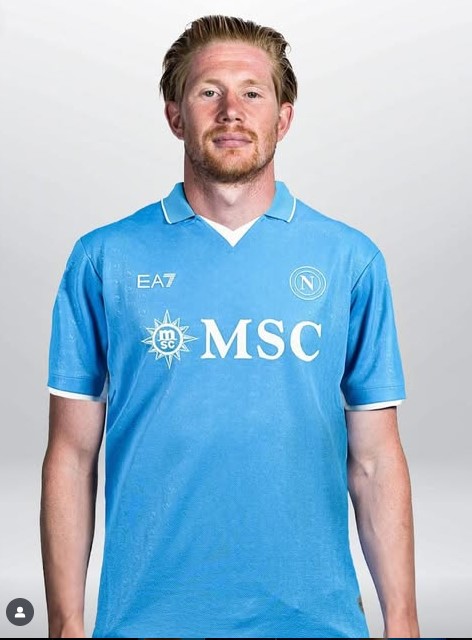
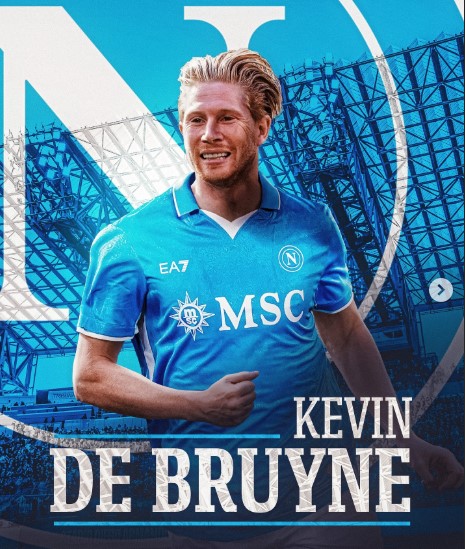
In a stunning move that has sent shockwaves through the footballing world, Kevin De Bruyne is set to join Napoli, marking the end of his legendary tenure at Manchester City. The Italian champions will finalize the paperwork with De Bruyne’s lawyers, paving the way for his medical and official unveiling. This transfer not only strengthens Napoli’s midfield but also reunites De Bruyne with his Belgian compatriot Romelu Lukaku, adding another layer of intrigue to the deal.
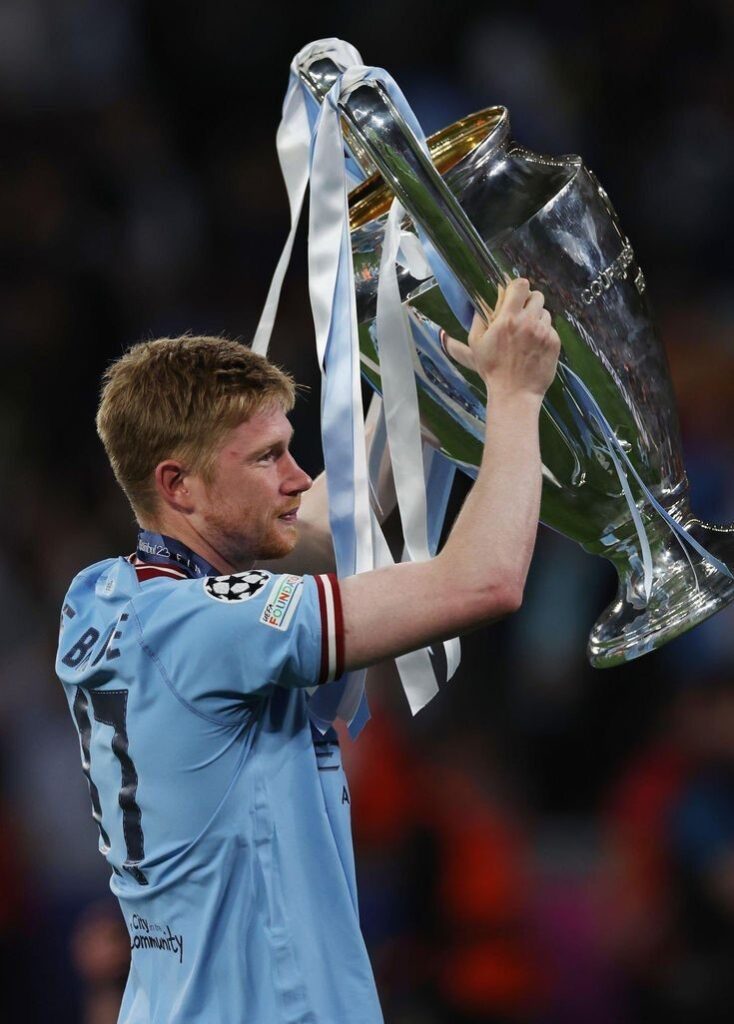
Since arriving at Manchester City in 2015 from Wolfsburg, De Bruyne has established himself as one of the greatest midfielders of his generation. His numbers at City are nothing short of extraordinary:
Appearances: 422
Goals: 108
Assists: 174
Premier League Titles: 6
Champions League Titles: 1
FA Cups: 2
EFL Cups: 53
photo courtesy
De Bruyne’s ability to dictate play, deliver pinpoint passes, and score crucial goals made him the heartbeat of Pep Guardiola’s system. His vision and technical brilliance turned City into a dominant force in England and Europe, earning him multiple PFA Player of the Year awards.
Napoli’s acquisition of De Bruyne signals their intent to remain at the pinnacle of Italian football and make a serious push in the Champions League. Under Antonio Conte, Napoli secured the Serie A title, and adding De Bruyne to their ranks enhances their midfield creativity and leadership.
Napoli’s midfield, featuring Scott McTominay and Billy Gilmour, will benefit immensely from De Bruyne’s presence. His ability to control tempo, execute defense-splitting passes, and contribute with goals will elevate Napoli’s attacking prowess.
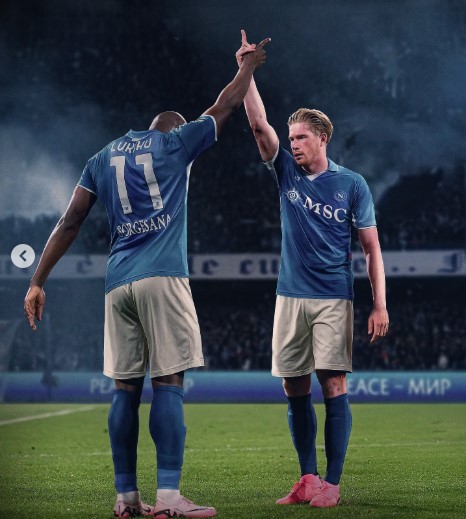
One of the most exciting aspects of this transfer is De Bruyne’s reunion with Romelu Lukaku. The duo has shared countless moments on the international stage with Belgium, forming a lethal partnership. Lukaku’s physicality and finishing ability complement De Bruyne’s playmaking skills perfectly, making Napoli’s attack even more formidable7.
Conte, who previously worked with Lukaku at Inter Milan, understands how to maximize his strengths. With De Bruyne supplying the ammunition, Lukaku could rediscover his best form, making Napoli a serious contender in both Serie A and Europe.
De Bruyne’s arrival will allow Napoli to adopt a more fluid attacking system. His versatility enables him to play as a central midfielder, attacking midfielder, or even a deep-lying playmaker. His ability to switch play, deliver precise crosses, and score from distance will add a new dimension to Napoli’s game.
Conte’s tactical setup often relies on quick transitions and structured pressing. De Bruyne’s intelligence and ability to read the game will be crucial in executing Conte’s vision. His leadership and experience will also be invaluable in guiding younger players and maintaining composure in high-pressure situations.
Conclusion
Kevin De Bruyne’s move to Napoli is a game-changer for the Italian champions. His unparalleled vision, passing accuracy, and leadership will transform Napoli into a more dynamic and competitive side. The reunion with Romelu Lukaku adds an exciting narrative, making Napoli one of the most intriguing teams to watch next season.
PHOTO COURTESY
As De Bruyne prepares for his medical and official unveiling, Napoli fans can look forward to witnessing one of football’s greatest midfielders grace the Diego Armando Maradona Stadium. This transfer is not just about strengthening Napoli—it’s about continuing De Bruyne’s legacy in a new league, proving once again why he is one of the best midfielders of his generation.
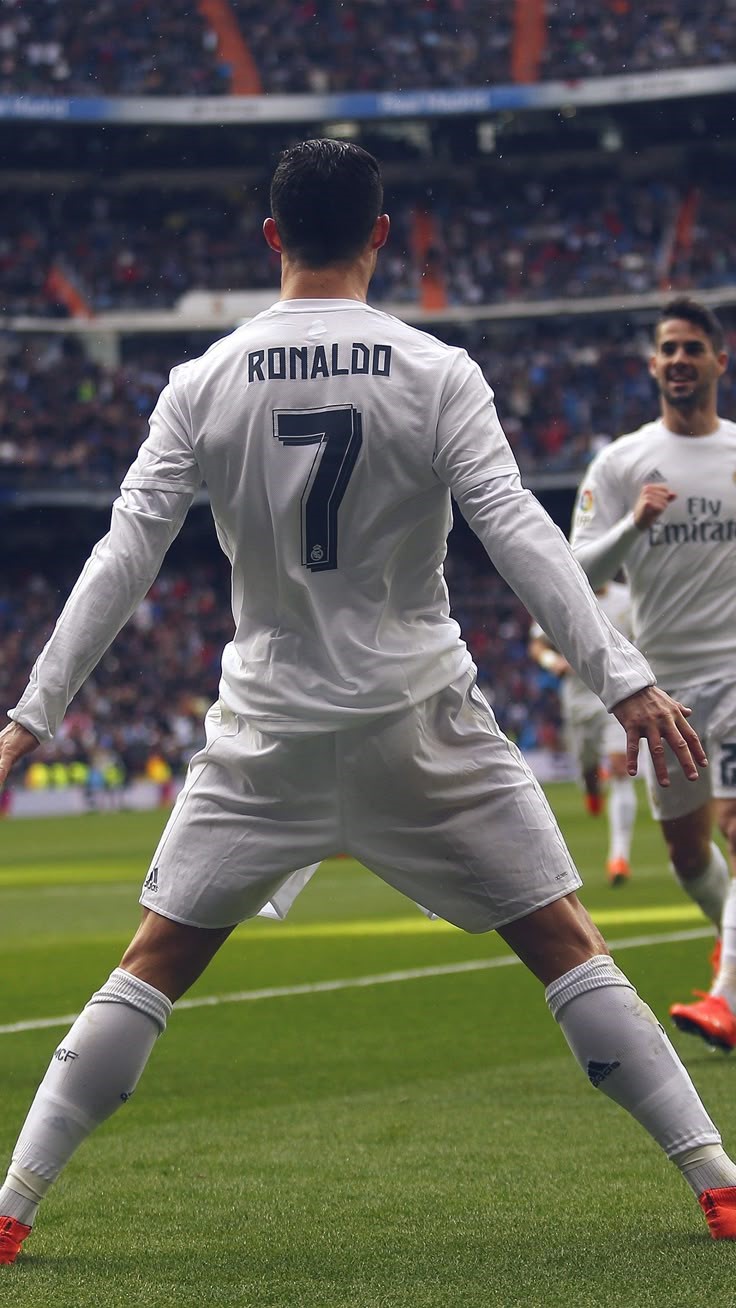
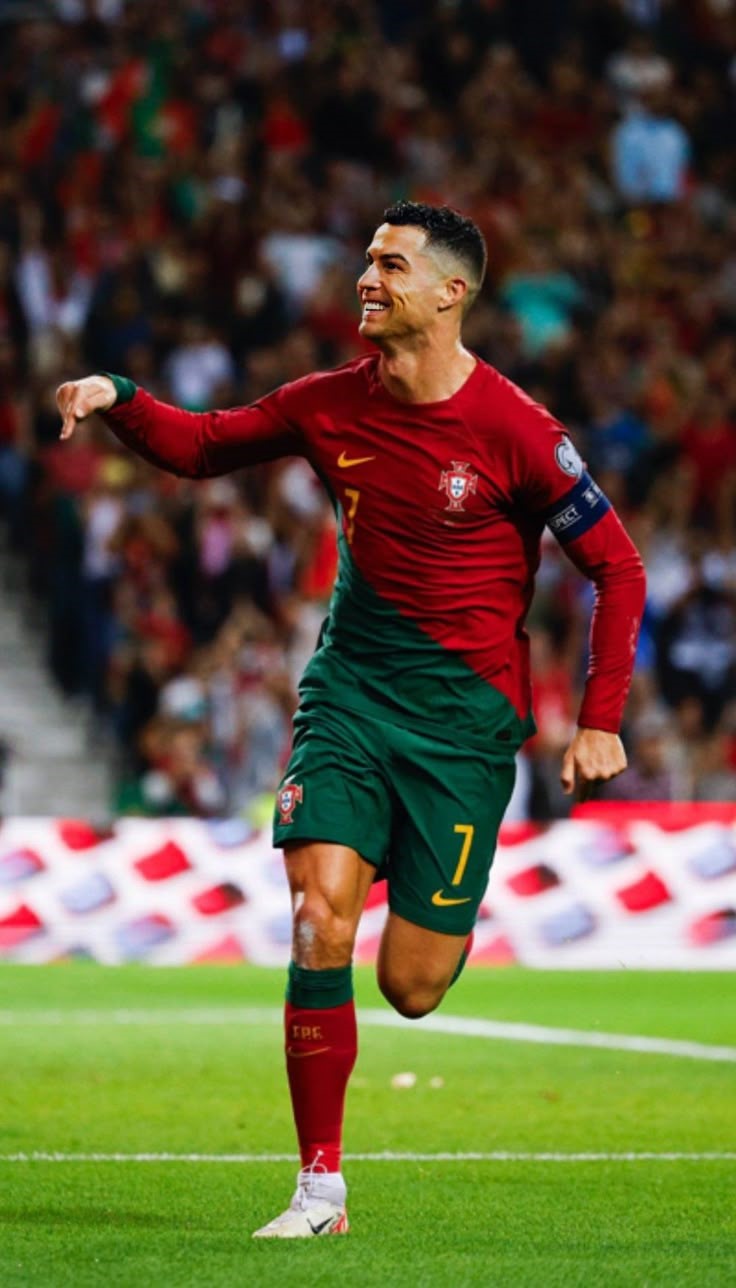
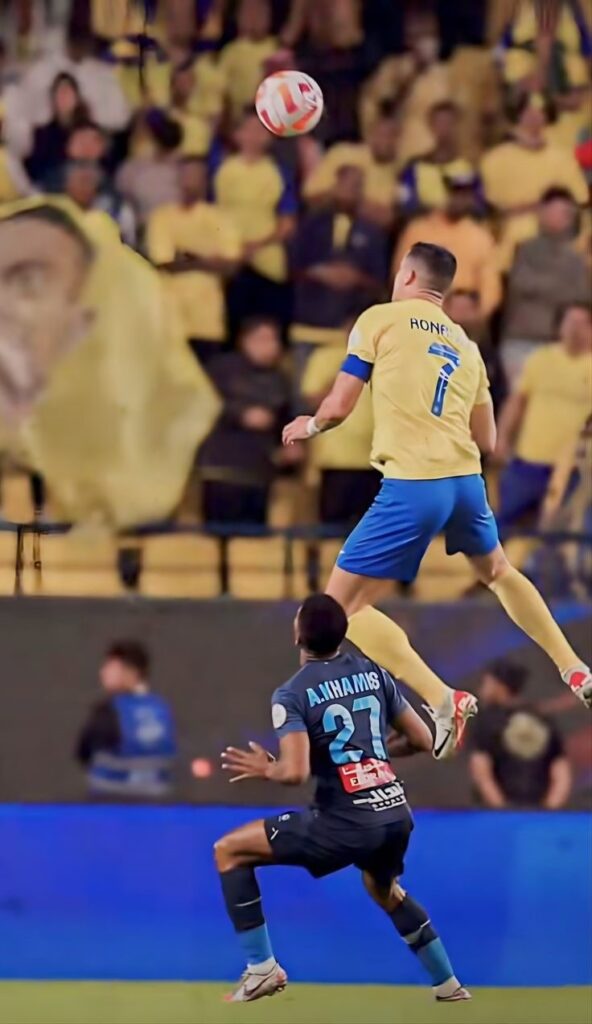
Imagine Cristiano Ronaldo, the world’s all-time top scorer, wearing the Black Stars jersey instead of Portugal’s. Ghana, a proud footballing nation with talent and passion, could have written a whole new chapter in football history with Ronaldo leading the line.
Ghana made waves at the 2010 FIFA World Cup, nearly becoming the first African team to reach the semi-finals, only to fall to Uruguay in a dramatic penalty shootout. Now, imagine Ronaldo in that squad:
In the quarter-final, instead of Asamoah Gyan missing a crucial penalty, Ronaldo steps up — ice cold, as always — and sends Ghana through.
Ghana could have advanced to the semi-final or even the final, shaking up the entire footballing world.
Ronaldo’s mentality and killer instinct in high-pressure situations could have been the difference between heartbreak and history.
2. An Unstoppable Attack With Ronaldo at the Front
Ronaldo paired with:
Asamoah Gyan – powerful finisher
André Ayew – creative winger
Michael Essien – midfield engine
Thomas Partey – midfield control (in later years)
…would form one of the most dangerous teams in the world.
Ghana’s mix of physical strength, tactical intelligence, and Ronaldo’s relentless goal-scoring would be devastating.
Hypothetically, if Cristiano Ronaldo played for Ghana from the early 2000s:
🏆 At least 1 or 2 Africa Cup of Nations titles
🥉 A possible World Cup semi-final or final appearance
💰 Increased investment into football at all levels in Ghana
PHOTO COURTESY
Ronaldo in a Black Stars Jersey? A Dream Worth Imagining
While it’s a fantasy, thinking of Cristiano Ronaldo in Ghanaian colors shows how one player’s greatness could uplift an entire nation and even shift the balance of world football. It’s a reminder of how talent, opportunity, and national identity can intersect to rewrite history.
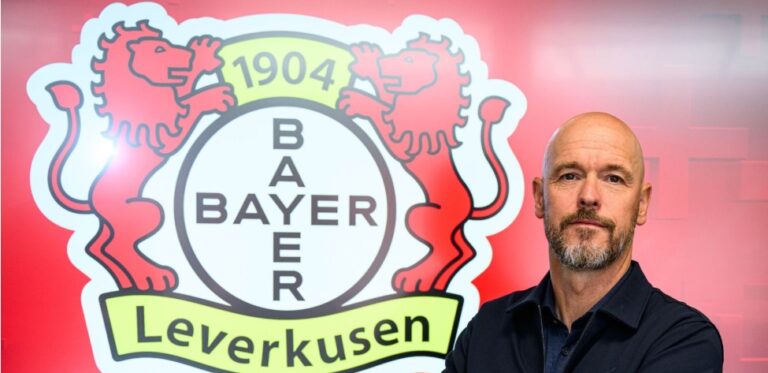
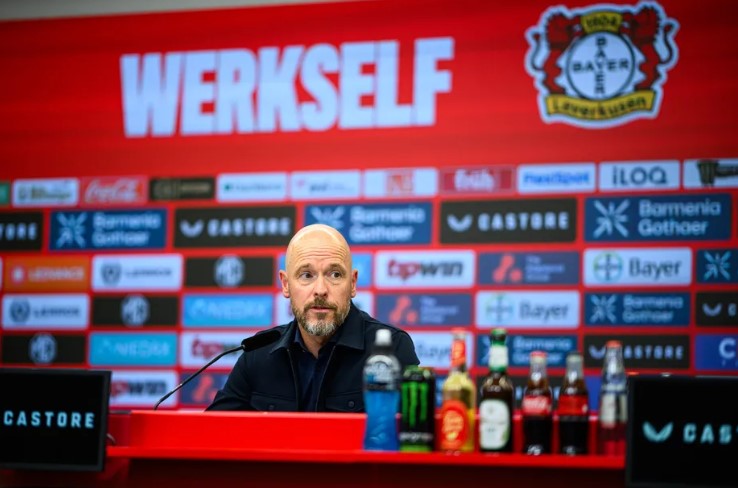
With Erik ten Hag taking over as Bayer Leverkusen’s new head coach, the club is preparing for a major squad overhaul ahead of the 2025/26 season. Following the departures of key players like Florian Wirtz, Jeremie Frimpong, and Jonathan Tah, Leverkusen is expected to sign between five and seven new players to maintain their competitive edge in the Bundesliga and Champions League.
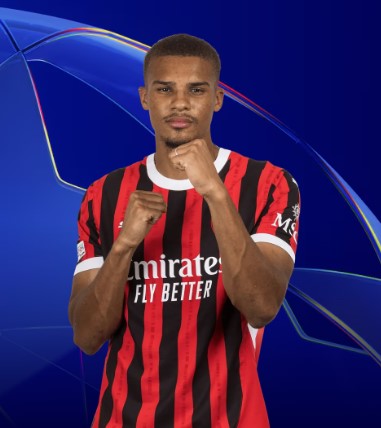
Leverkusen is targeting AC Milan’s Malik Thiaw as a replacement for Jonathan Tah. The German defender, valued at €20-25 million, is seen as an ideal fit for ten Hag’s defensive system.
Thiaw’s 2024/25 Season Stats at AC Milan
Statistic
Value
Appearances
38
Tackles Won
84%
Interceptions Per Game
2.1
Pass Accuracy
91%
photo courtesy
Thiaw’s physical presence and tactical awareness make him a strong candidate to bolster Leverkusen’s defense.
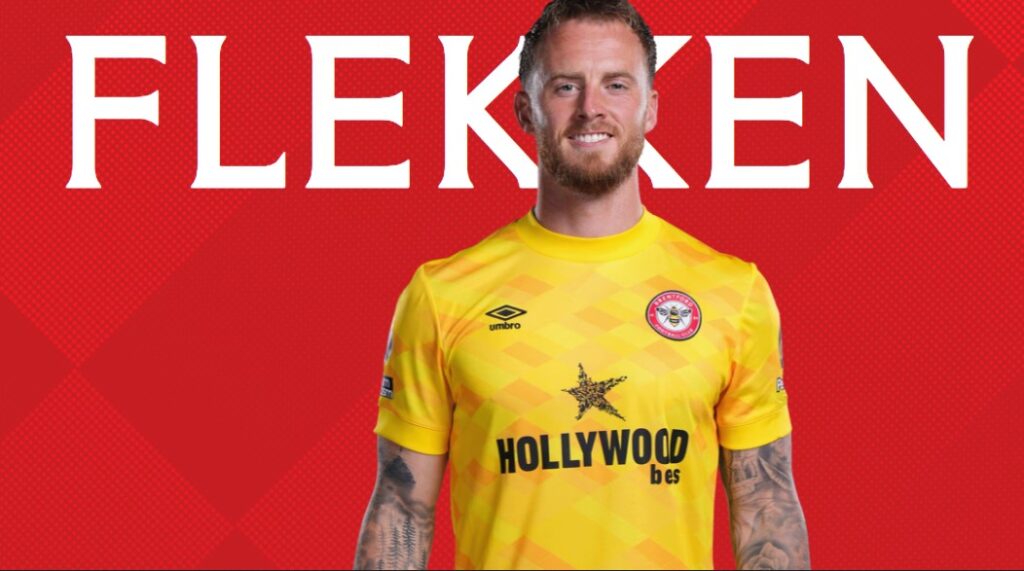
Leverkusen is advancing negotiations for Brentford’s Mark Flekken, who is available for around €10 million. The Dutch goalkeeper is expected to replace Lukas Hradecky as the club’s first-choice shot-stopper.
Flekken’s 2024/25 Season Stats at Brentford
Statistic
Value
Appearances
36
Clean Sheets
12
Save Percentage
78%
Pass Accuracy
85%
photo courtesy
Flekken’s quick reflexes and ball distribution align well with ten Hag’s possession-based system.
3. Joan García (Espanyol) – Goalkeeper Alternative
If Leverkusen fails to sign Flekken, they could pursue Espanyol’s Joan García, who would cost over €20 million. García is regarded as a top young goalkeeper, with multiple clubs interested in his services.
García’s 2024/25 Season Stats at Espanyol
Statistic
Value
Appearances
34
Clean Sheets
14
Save Percentage
81%
García’s shot-stopping ability and composure under pressure make him a strong alternative.
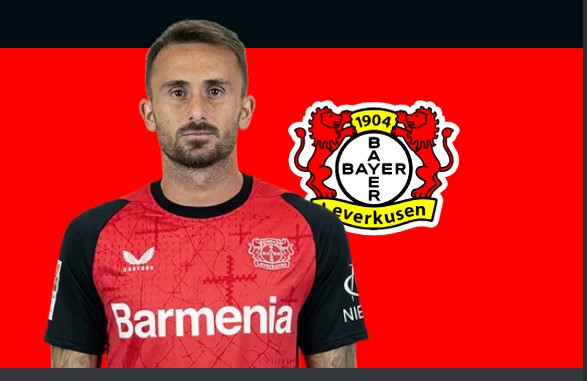
Leverkusen is considering Aleix García as a replacement for Florian Wirtz. The Spanish midfielder, known for his vision and passing, could provide the creativity needed in midfield.
García’s 2024/25 Season Stats at Girona
Statistic
Value
Appearances
40
Goals
6
Assists
10
Key Passes Per Game
2.5
photo courtesy
García’s ability to dictate play would be crucial in ten Hag’s tactical setup.
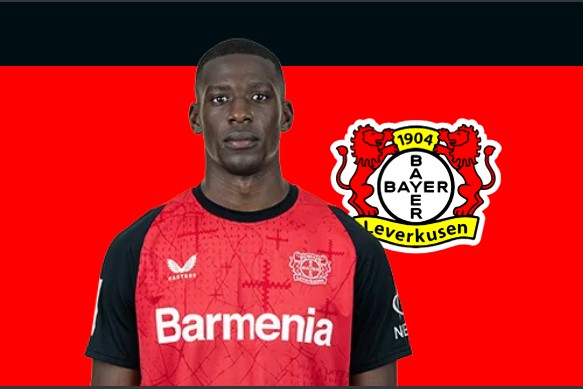
With Jeremie Frimpong leaving, Leverkusen is targeting PSG’s Nordi Mukiele to fill the right-back position. Mukiele’s defensive solidity and attacking support make him a strong candidate.
Mukiele’s 2024/25 Season Stats at PSG
Statistic
Value
Appearances
35
Tackles Won
83%
Interceptions Per Game
2.4
Successful Dribbles
76%
PHOTO COURTESY
Mukiele’s versatility allows him to play as a right-back or center-back, making him a valuable addition.
Erik ten Hag faces a massive challenge in rebuilding Bayer Leverkusen, but the club is actively pursuing key signings to maintain their competitive status in the Bundesliga. With five to seven new players expected, Leverkusen aims to challenge Bayern Munich and compete in Europe.
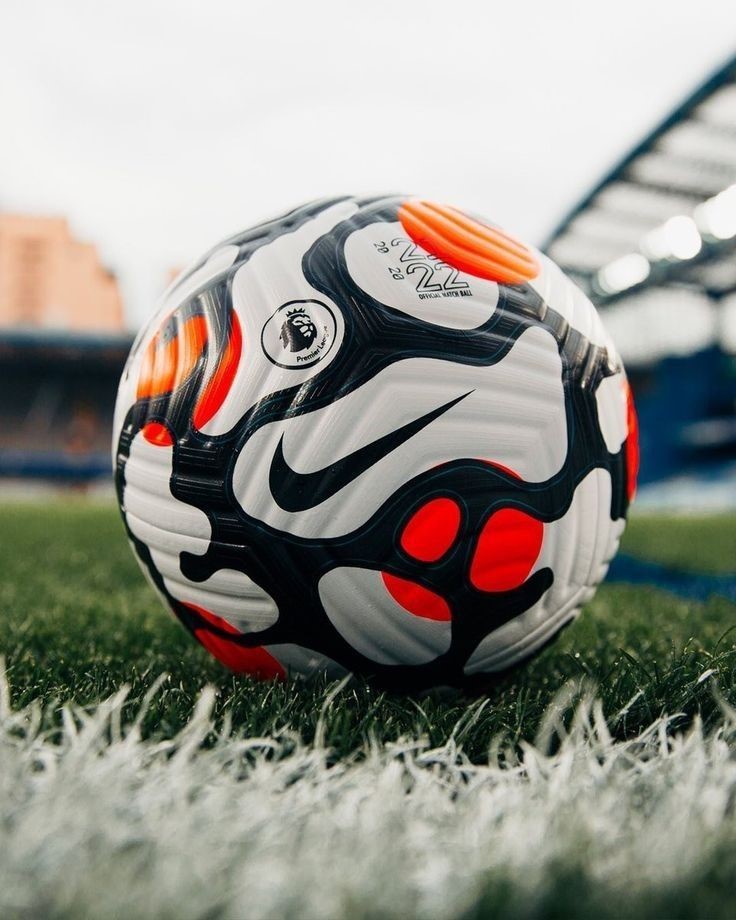
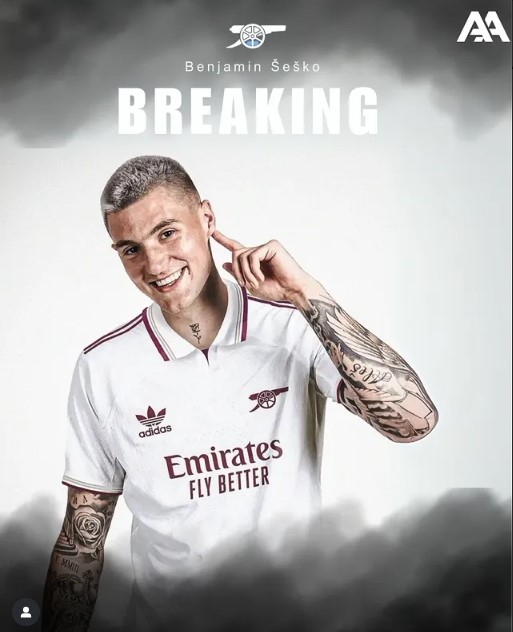
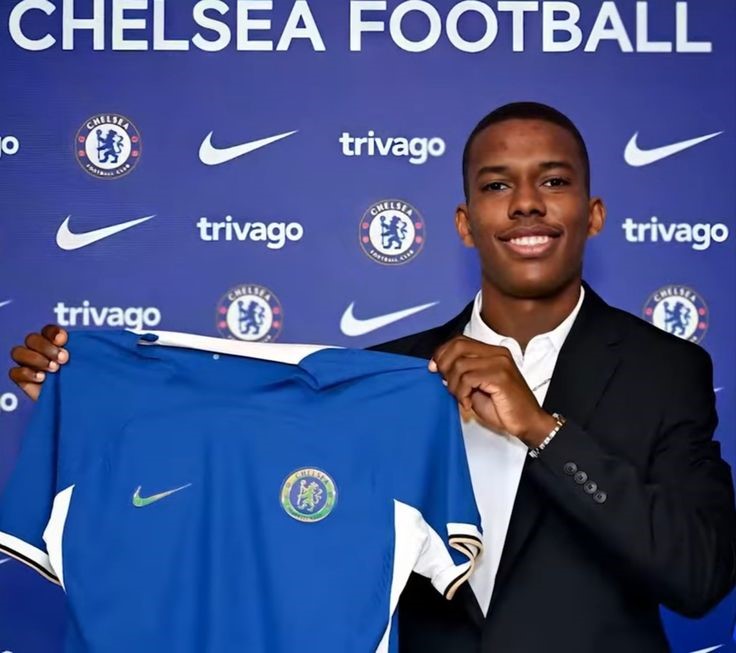
The 2025 summer transfer window is heating up as top European clubs finalize key signings ahead of the new season. Arsenal has initiated talks for Benjamin Šeško, Chelsea has secured Brazilian wonderkid Willian Estêvão, Inter Milan has agreed a deal for Luis Henrique, and Real Madrid is closing in on Álvaro Carreras from Benfica. These moves signal major shifts in European football, with clubs strengthening their squads for domestic and international competitions.
Arsenal has started concrete negotiations for RB Leipzig striker Benjamin Šeško, a player who has been high on Mikel Arteta’s list for over a year. The Gunners previously attempted to sign him in May 2024 and January 2025, but Leipzig rejected their offers.
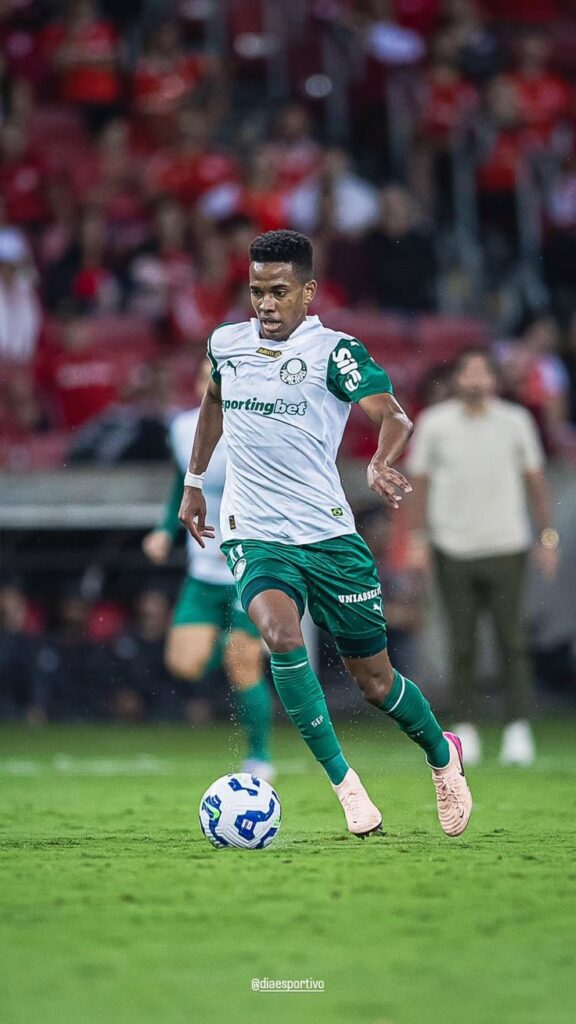
Chelsea has officially signed Willian Estêvão from Palmeiras, with the 17-year-old winger set to move to London after the Club World Cup. Estêvão, nicknamed “Messinho”, is regarded as one of Brazil’s brightest young talents.
PHOTO COURTESY
Why Chelsea Signed Estêvão
Dribbling & Creativity – A natural playmaker with flair.
Explosive Pace – Can beat defenders with speed and agility.
Goal Threat – Scored on his final game for Palmeiras, showcasing his talent.
Chelsea paid €61 million for Estêvão, with €34 million upfront and performance-based bonuses4.
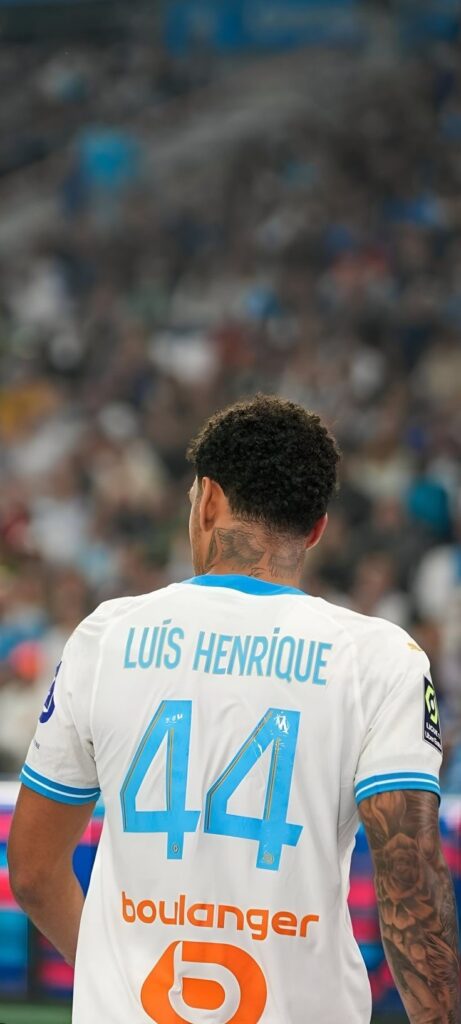
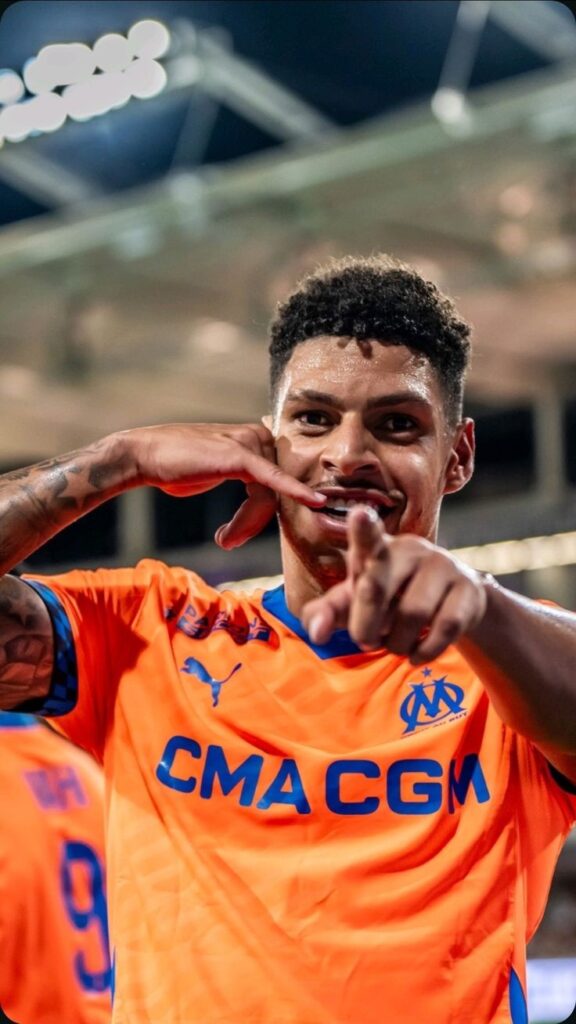
Inter Milan Signs Luis Henrique from Olympique Marseille
Inter Milan has finalized a €25 million deal for Brazilian winger Luis Henrique, securing him on a five-year contract. The 23-year-old attacker will be ready for the Club World Cup in June.
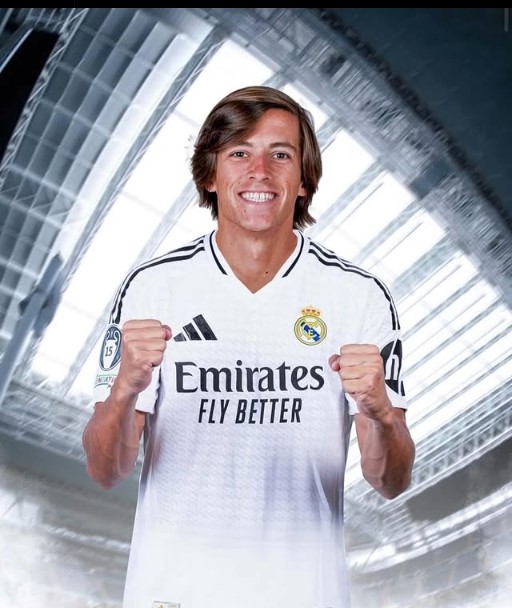
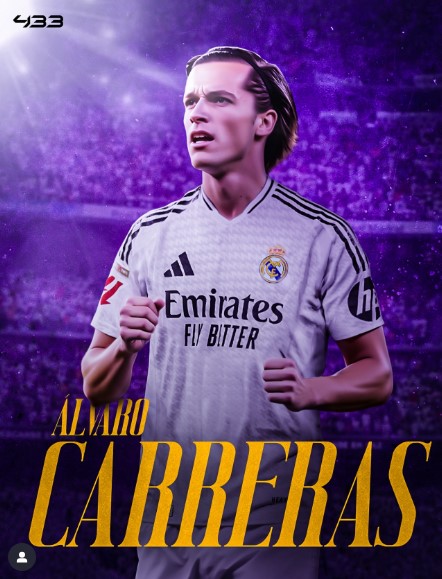
Real Madrid has made official contact with Benfica for left-back Álvaro Carreras, with negotiations nearing completion. The Spanish defender, who previously played in Madrid’s youth system, is eager to return.
Real Madrid is expected to pay €50 million, activating Carreras’ release clause.
Conclusion
The 2025 summer transfer window is shaping up to be one of the most exciting in recent years, with Arsenal, Chelsea, Inter Milan, and Real Madrid making major moves. These signings will reshape European football, setting the stage for an intense 2025/26 season.