In the wake of mounting scrutiny over the financial management of Ghana’s national football team during their recent World Cup qualifying matches, the Chairman of the Parliamentary Select Committee on Youth and Sports, Ernest Henry Norgbey, has announced that the Sports Minister will soon hold a press briefing to clarify the Black Stars’ budget for the games against Chad and Madagascar.
This development comes as part of growing public demand for transparency and accountability within the country’s sports sector, particularly around the administration and utilization of funds allocated for international football engagements. The call for clarity reached a peak after the Black Stars’ impressive 5-0 win against Chad at the Accra Sports Stadium and their 3-0 victory over Madagascar in Morocco—performances that were celebrated on the pitch but raised questions off it.
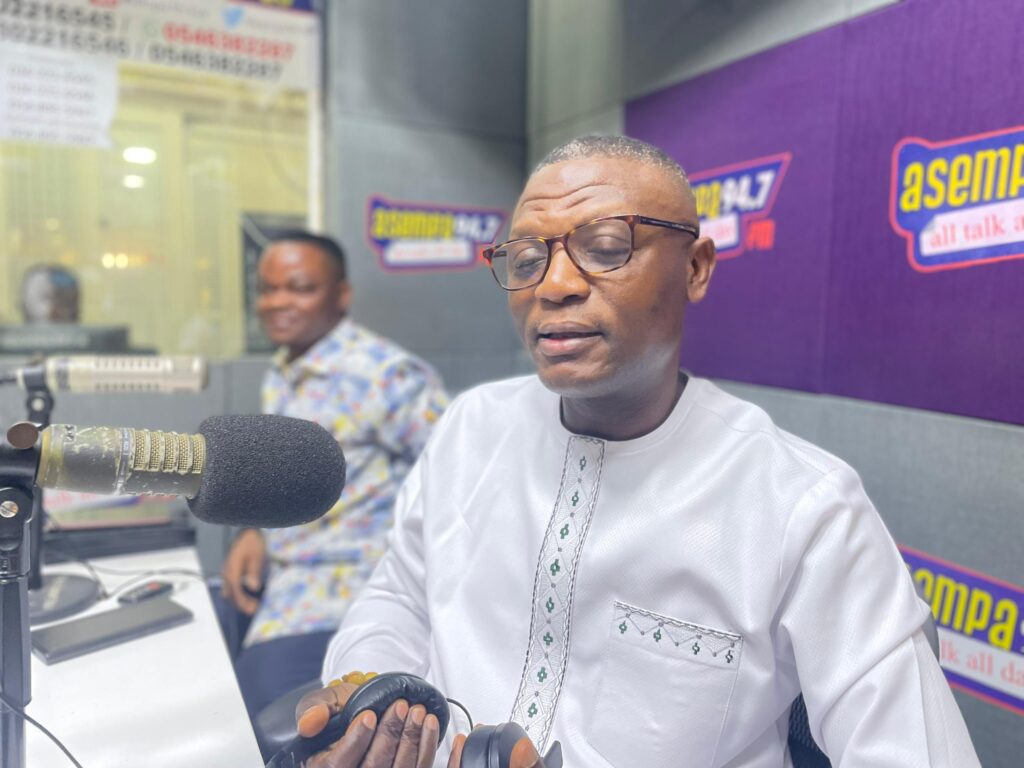
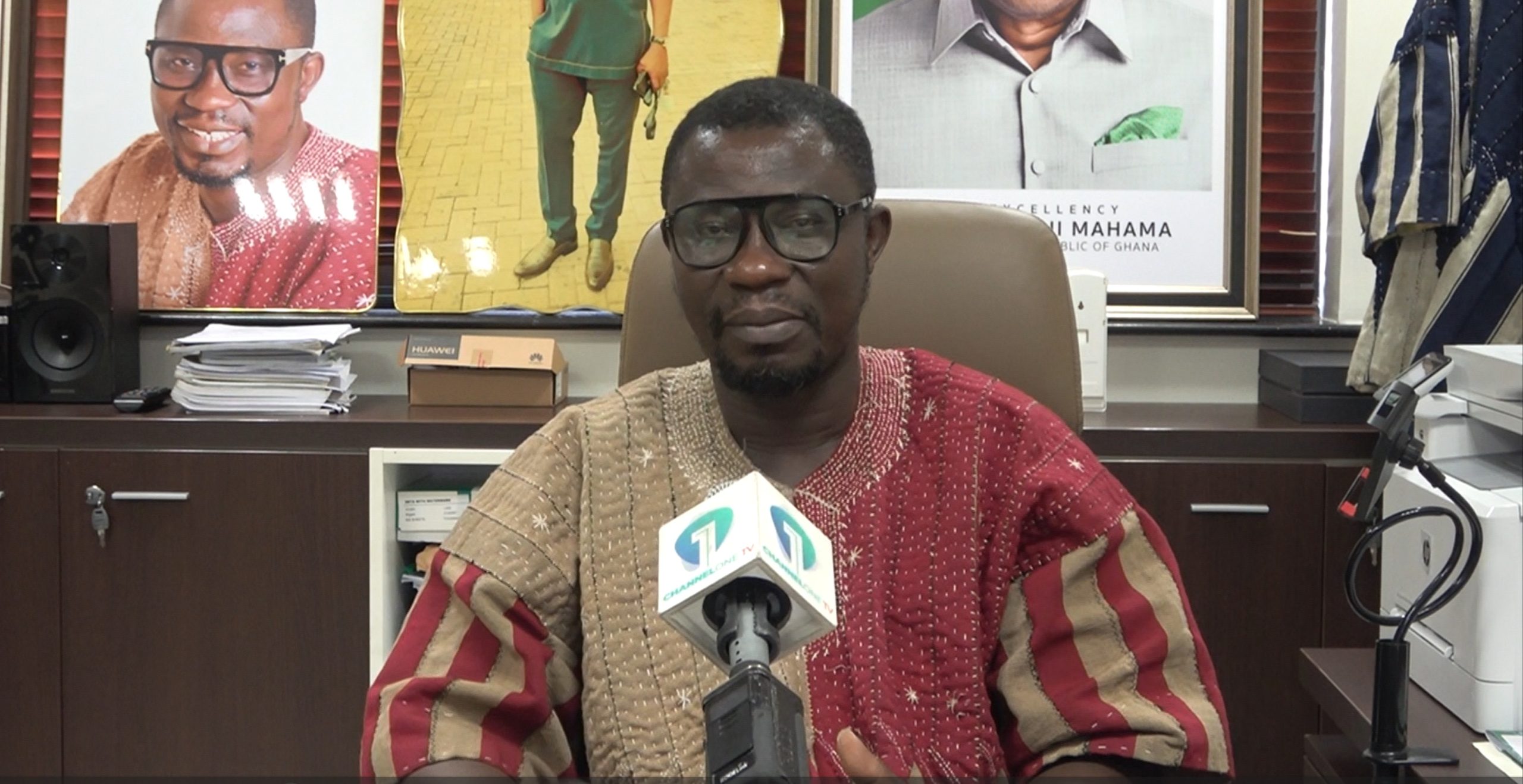
Norgbey assured the public that the Minister of Youth and Sports, Hon. Kofi Adams, is fully aware of the concerns and is preparing to address them directly in the coming days. “The Sports Minister is prepping to brief the media very soon on the Black Stars budget; I am not sure there should be any cause for alarm,” Norgbey stated confidently, urging Ghanaians to be patient.
Budget Secrecy Sparks Concern
The delay in releasing budgetary details has become a key topic in Ghana sports news, with critics highlighting a recurring lack of prompt transparency whenever the Black Stars engage in international duty. Parliamentarians and stakeholders in sports governance have voiced their concerns over what they describe as a culture of secrecy within the ministry and the Ghana Football Association (GFA).
Some have even suggested that without accountability, public trust in sports administration could decline, and donor confidence could waver. In response, there have been increasing calls for reform in the way sports budgeting is handled, not only for the senior national team but across all levels of sports development in the country.
Calls for Transparency and Sustainable Sports Funding
According to sports analysts, this moment presents an opportunity for the Ministry of Youth and Sports to redefine how sports governance is executed. By disclosing the costs incurred during the Black Stars’ preparation, travel, and matchday logistics for the Chad and Madagascar games, the Ministry can set a precedent that reinforces good governance. Analysts argue that financial transparency is not merely a matter of administrative protocol—it is a fundamental pillar of democratic governance and public trust. When citizens are informed about how their taxes are spent, particularly in high-profile areas such as national football, it builds confidence in government institutions and deters future mismanagement or misuse of resources. Moreover, clear disclosures create a framework for evaluating value for money, ensuring that funds are allocated efficiently and directed toward areas with measurable impact.
Furthermore, this situation has ignited debate over whether Ghana’s national teams receive sustainable financial planning or operate under a reactive, short-term budgetary approach. This debate has extended beyond just the realm of football and sparked broader conversations about how state institutions prepare for and fund national assignments. Critics point out that inconsistent budgeting often leads to logistical challenges, payment delays, and morale issues among players and staff, which ultimately affect performance on the field. Proponents of a long-term funding model believe that a predictable, transparent budget system would allow for better planning, talent development, and performance tracking—not only at the senior national team level but across youth and women’s sports as well. A sustainable sports financing model would also ease the burden on the state during tournament seasons, especially when unforeseen expenses arise.
This conversation mirrors similar issues faced by sports authorities across Africa, who often rely heavily on government intervention and last-minute funding to support international fixtures. In many countries, sporting bodies operate with minimal independence, relying on emergency disbursements that hinder proper planning. The lack of autonomous funding structures leaves them vulnerable to political interference and economic downturns. In Ghana’s case, stakeholders now have an opportunity to examine best practices from other countries that have diversified funding sources through private partnerships, corporate sponsorships, and youth academy investments. By learning from regional and international examples, Ghana can create a hybrid funding ecosystem that balances public support with private investment, ultimately ensuring the sustainability and competitiveness of its national teams.
Parliamentary Oversight Strengthens
Parliament’s Youth and Sports Committee has indicated its readiness to play a more active role in sports governance. Norgbey reiterated that the committee is committed to working closely with the Ministry to ensure effective use of public funds. There is now a renewed push for budget disclosures to be made mandatory before and after international tournaments, supported by documentation and reviewed by independent auditors.
This move aligns with broader demands from civil society and sports advocacy groups, who believe that greater oversight will lead to better results both on and off the field. It also reinforces the belief that performance accountability must be matched by financial transparency.
The Role of the GFA and Stakeholder Engagement
The Ghana Football Association has also been urged to collaborate more closely with the Sports Ministry to ensure clarity in all financial dealings. The GFA is expected to be a central figure in the upcoming budgetary briefing, which many anticipate will include detailed breakdowns of expenditures for team travel, accommodation, bonuses, appearance fees, and technical staff logistics.
Stakeholders hope this will also be an avenue to discuss long-term strategies for funding national teams, reducing the over-reliance on government subsidies, and opening more room for private sector investment.
The private sector, including brands involved in sports betting and sponsorship, such as those following platforms like Bangbet and Bangbet Ghana News, has increasingly shown interest in football development. Their involvement can only grow in an environment that upholds transparency and value for money.

Football as a Tool for Unity and Development
As sports betting and interest in Ghana sports news continue to grow, so does the importance of maintaining integrity within the football ecosystem. With each international match drawing thousands of viewers and bettors, there is increasing pressure to ensure that public investment in the Black Stars reflects not only a passion for football but also sound fiscal responsibility.
Football remains one of the most unifying forces in Ghana, cutting across politics, religion, and ethnicity. Ensuring that the management behind it is credible and efficient will be vital to safeguarding its future.
Looking Ahead: A Moment of Reckoning
The Sports Minister’s upcoming media briefing may be routine in appearance, but it carries the weight of national expectations. It is a moment of reckoning for the Ministry and for Ghanaian football as a whole. Many are hopeful that it will provide clarity not only on the Chad and Madagascar games but also on the broader strategic vision for sports funding in Ghana. This briefing comes at a time when public interest in accountability is at an all-time high, and the football-loving population is increasingly demanding openness from those managing national assets. The significance of this address cannot be overstated, as it holds the potential to rebuild trust between the Ministry, stakeholders, and citizens.
Supporters, analysts, and political observers alike will be watching closely to see if this will mark a turning point for transparency in Ghanaian sports governance. For many, this isn’t just about numbers or receipts—it’s about principles and the integrity of the systems that run the nation’s most cherished sport. A transparent system, built on consistent reporting and disclosure, could become a key differentiator in Ghana’s pursuit of excellence in global sports. Such a shift would also signal a break from outdated practices that have long plagued sports administration in the country.
A transparent system could attract more structured investments from both local enterprises and international bodies, further boosting the country’s footballing prospects. Investors and sponsors are more inclined to support initiatives that reflect sound governance, clear financial planning, and long-term sustainability. By establishing itself as a nation that values these principles, Ghana could unlock new revenue streams, including endorsements, infrastructure partnerships, and joint training programs. These forms of support could lead to the creation of advanced training facilities, high-performance centers, and youth academies that strengthen the pipeline of talent feeding into the national teams.
In the long run, consistent transparency could also improve Ghana’s ranking in global sports governance indexes and attract goodwill from football development partners, including FIFA, CAF, and private entities. These organizations increasingly assess national football associations not only on competitive performance but also on governance standards, ethical compliance, and operational transparency. With a renewed focus on these areas, Ghana could become a benchmark for other African countries striving to elevate their governance structures. Ultimately, this could enhance the country’s ability to bid for international tournaments, host major sporting events, and expand its influence on the continental and global football stage.
For readers looking to stay up-to-date on match schedules, stats, and sports betting odds, you can explore:
- Premier League fixtures, odds, and stats on Bangbet
- Global football tournaments and betting updates at Bangbet Sports Football
- African football competitions and updates via Bangbet Sports Tennis