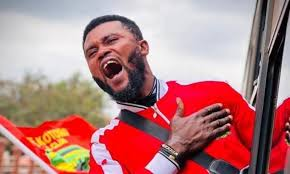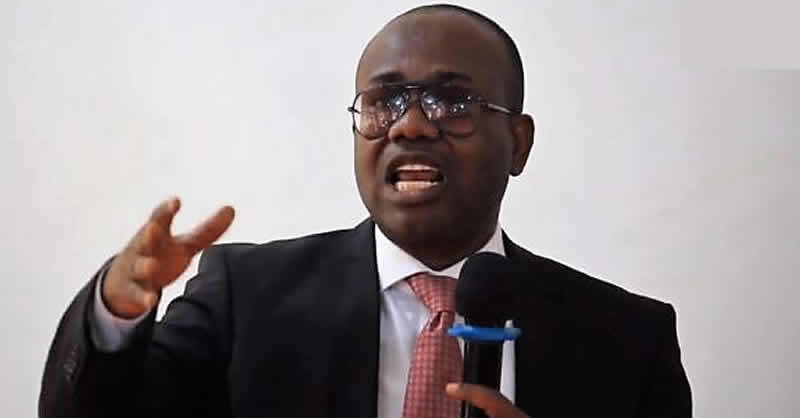
In the annals of Ghanaian football history, the 2019 Ghana Football Association (GFA) presidential election stands out as a pivotal moment. The election, marked by intense competition and strategic maneuvering, culminated in a surprising twist: a late-night intervention by former GFA President Kwesi Nyantakyi, which played a decisive role in swaying votes in favor of Kurt Okraku. This article delves deep into the events leading up to that critical phone call, the dynamics of the election, and its lasting impact on Ghanaian football.
The Prelude to the Election
The 2019 GFA presidential race was a watershed moment for Ghanaian football. Following the exposé of the “Number 12” documentary, which unveiled deep-seated corruption within the GFA, there was a clamor for change and transparency. The association was at a crossroads, seeking leadership that could restore its tarnished image and steer Ghanaian football towards a brighter future.
Several candidates emerged, each bringing a unique vision for the future of Ghanaian football:
George Afriyie: A seasoned football administrator and former Vice President of the GFA, Afriyie was seen by many as a continuity candidate, promising to build upon existing structures while implementing necessary reforms.
Kurt Okraku: The astute football executive and owner of Dreams FC, Okraku presented himself as a reformist, advocating for innovation, transparency, and a fresh approach to managing the GFA.
Other Contenders: The race also featured other notable figures, each bringing their perspectives and solutions to the table, contributing to a rich and diverse electoral contest.
The Election Dynamics
As the election date approached, the atmosphere was charged with anticipation. Delegates from various football clubs and associations across the country were courted by the candidates, each seeking to secure the necessary votes for victory. The initial rounds of voting did not produce a clear winner, leading to heightened tensions and strategic recalibrations among the candidates.
In the first round, no candidate achieved the required majority, leading to a runoff between the top contenders, George Afriyie and Kurt Okraku. The stakes were high, and both camps intensified their efforts to sway undecided delegates.
The Pivotal Intervention
Amidst this backdrop, an unexpected development occurred. Kwesi Nyantakyi, the erstwhile GFA President who had resigned following the “Number 12” exposé, made a discreet yet impactful re-entry into the fray. Despite his controversial exit, Nyantakyi still wielded considerable influence within certain football circles.
On the eve of the decisive runoff, Nyantakyi reached out to key delegates through a series of late-night phone calls. In these conversations, he expressed his support for Kurt Okraku, urging the delegates to cast their votes in Okraku’s favor. This endorsement was unexpected, given Nyantakyi’s prior association with George Afriyie during his tenure.
The reasons behind Nyantakyi’s support for Okraku remain a subject of speculation. Some insiders suggest that Nyantakyi believed Okraku possessed the innovative vision and managerial acumen needed to rejuvenate Ghanaian football. Others posit that personal dynamics and past interactions influenced his decision.
The Outcome
Nyantakyi’s intervention proved decisive. The delegates heeded his counsel, and in the subsequent runoff, Kurt Okraku secured a majority of the votes, emerging as the new President of the GFA. This outcome marked a significant shift in the leadership dynamics of Ghanaian football, signaling a departure from the old guard and an embrace of new ideas and approaches.
Post-Election Reflections
Kurt Okraku’s ascension to the GFA presidency was met with a mix of optimism and cautious skepticism. Supporters lauded his commitment to transparency, the development of grassroots football, and the modernization of the association’s operations. Critics, however, remained watchful, emphasizing the need for tangible reforms and the eradication of lingering corrupt practices.
In the years following his election, Okraku implemented several initiatives aimed at revitalizing Ghanaian football. These included:
- Youth Development Programs: Establishing academies and training centers to nurture young talent across the country.
- Infrastructure Investments: Upgrading stadiums and training facilities to meet international standards.
- Transparency Measures: Introducing digital platforms for financial disclosures and decision-making processes to enhance accountability.
Despite these efforts, challenges persisted. The shadow of past scandals occasionally resurfaced, and the GFA grappled with issues such as funding constraints, administrative bottlenecks, and the need to restore public trust fully.
The Legacy of Nyantakyi’s Intervention
Kwesi Nyantakyi’s late-night call remains a poignant example of the intricate interplay of influence, loyalty, and strategy in Ghanaian football politics. It underscores how personal relationships and behind-the-scenes maneuvers can significantly impact leadership outcomes.
For Kurt Okraku, the endorsement was both a boon and a burden. While it provided the necessary boost to secure his position, it also tethered his leadership to the legacy of his predecessor. Navigating this complex inheritance required Okraku to balance honoring valuable past contributions with forging an independent path characterized by reform and innovation.
Conclusion
The 2019 GFA presidential election serves as a compelling case study in the dynamics of sports administration and the profound impact of strategic interventions. Kwesi Nyantakyi’s late-night call, a seemingly simple act, altered the trajectory of Ghanaian football leadership. As the GFA continues its journey toward reform and excellence, the events of that election underscore the importance of integrity, transparency, and visionary leadership in shaping the future of sports in Ghana.
Latest Updates on Ghanaian Athletes’ Participation in the Olympics
As of February 2025, Ghanaian athletes are intensifying their preparations for the upcoming Olympic Games. Building upon their experiences from the 2024 Paris Olympics, where a contingent of nine athletes represented the nation in disciplines such as athletics and swimming, the Ghana Olympic Committee (GOC) is committed to expanding Ghana’s presence in the forthcoming Games. Efforts are underway to identify and nurture talent across various sports, aiming to increase the number of qualifiers and enhance the country’s prospects on the global stage.
For more detailed updates and information on Ghanaian athletes’ journey to the Olympics, stay tuned to Bangbet Ghana News.
Engage with Bangbet
Stay ahead in the world of sports by engaging with Bangbet. Whether you’re interested in the latest sports news, live scores, or exploring sports betting opportunities, Bangbet offers a comprehensive platform tailored to your needs.
- Register on Bangbet: Join the Bangbet community today by registering on Bangbet here.
- Hot Events: Don’t miss out on Bangbet Bet Activity events and promotions designed to enhance your experience.
- Live Scores and Results: Keep track of live