
Which Payment Method Makes More Sense?
The way people fund online betting accounts is changing.
Traditional sportsbooks have historically relied on fiat currencies such as US dollars, euros, British pounds, Ghana Cedi and Nigerian naira, processed through bank cards, bank transfers, mobile money and digital wallets.
Cryptocurrency has introduced another option.
Bitcoin, Ethereum, USDT and other digital assets can transfer value across borders without relying on conventional card networks. This has helped crypto become an alternative payment rail for some online gambling businesses.
But faster settlement or borderless transfers don’t automatically make cryptocurrency the better choice.
For bettors and operators, the more useful comparison is crypto vs fiat betting across transaction costs, adoption, speed, volatility, usability and regulation.
And on those measures, the answer is more complicated.
Crypto vs Fiat Betting at a Glance
| Factor | Cryptocurrency | Fiat |
|---|---|---|
| Transaction speed | Potentially fast, network dependent | Varies significantly by payment method |
| Cross-border transfers | Strong | Can involve intermediaries |
| Price stability | Varies; BTC/ETH can be volatile | Generally stable in its domestic unit |
| Stablecoins | Reduce crypto price volatility | Not applicable |
| Mobile money integration | Limited | Excellent in supported markets |
| Transaction fees | Network dependent | Provider/payment-method dependent |
| Chargebacks | Generally irreversible on-chain | Possible with some payment methods |
| Regulatory complexity | High | More established |
| User familiarity | Growing but still specialized | Very high |
| AML/KYC challenges | Higher regulatory scrutiny | Established compliance infrastructure |
| Best for | Experienced users needing digital-asset transfers | Most mainstream bettors |
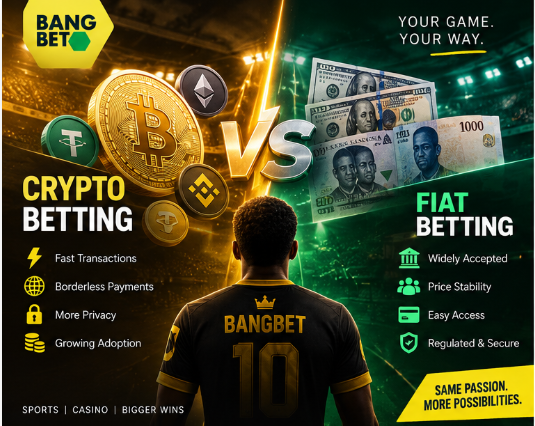
Crypto Betting Adoption: Why Has It Grown?
Crypto betting addresses several problems inherent in traditional digital payments.
Cryptocurrencies are inherently digital and can be transferred globally without requiring every transaction to move through the traditional correspondent-banking or card infrastructure.
That can be particularly useful for international platforms.
A customer holding Bitcoin, for example, can transfer BTC directly to an address supported by an operator rather than first converting it into another currency and funding an account using a bank card.
Stablecoins add another dimension.
Assets such as USDT are designed to maintain a value relative to fiat currencies, potentially combining blockchain-based settlement with lower price volatility than assets such as Bitcoin.
But crypto adoption should not be confused with universal acceptance.
Traditional payment methods remain deeply integrated into regulated gambling markets. Cards, bank transfers, e-wallets and—particularly in parts of Africa—mobile-money systems offer something crypto still struggles to match:
familiarity.
For a bettor already using M-Pesa or MTN, for example, depositing directly from a mobile-money account can be considerably simpler than buying cryptocurrency, transferring it to a wallet, managing network addresses and then sending it to a sportsbook.
That additional friction matters.
Transaction Costs: Is Crypto Actually Cheaper?
One of cryptocurrency’s biggest selling points is supposedly cheaper transactions.

The reality is more nuanced.
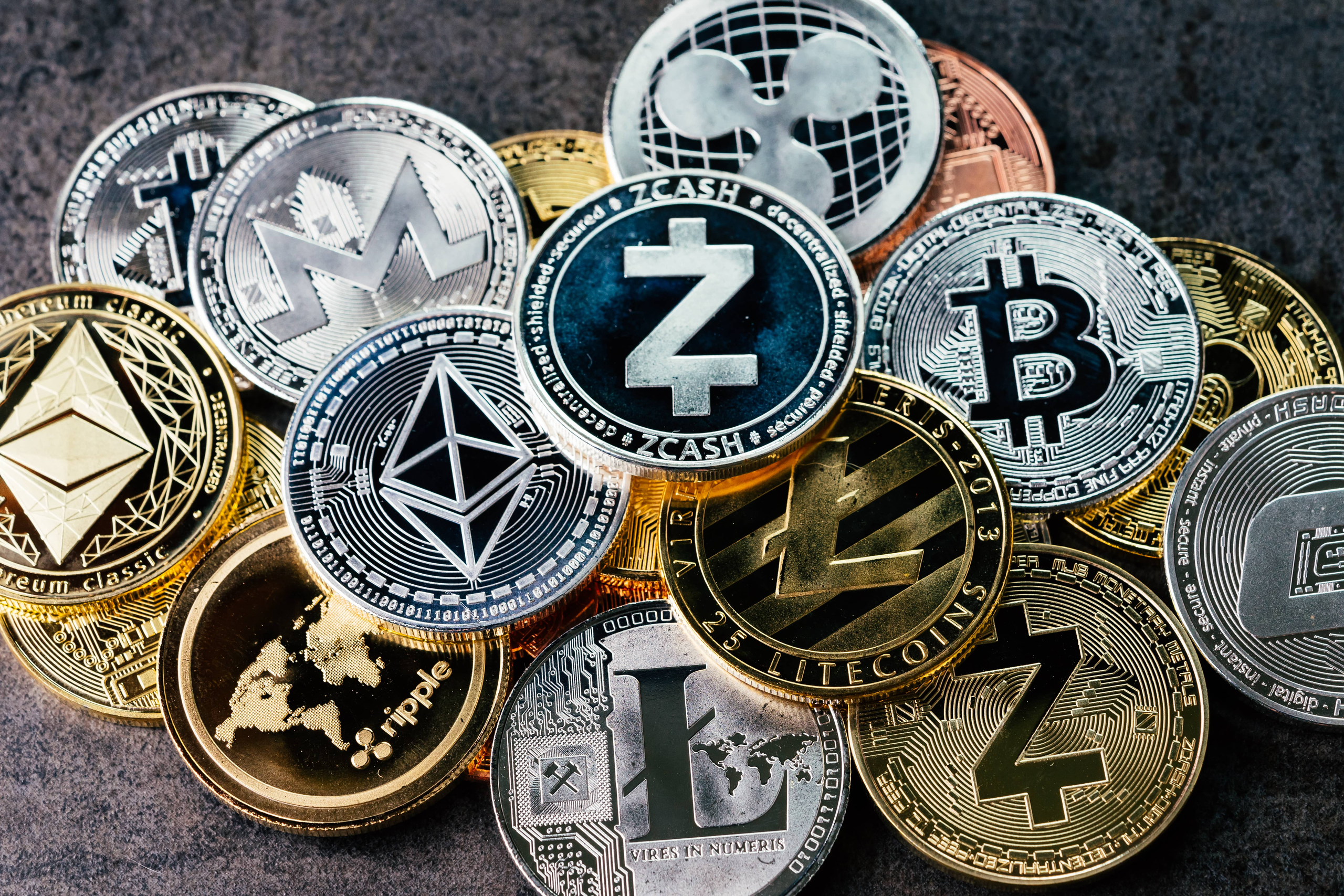
How Crypto Transaction Costs Work
Blockchain transactions can require network fees.
The amount depends on factors including:
- blockchain being used;
- network congestion;
- transaction size;
- wallet or exchange fees; and
- whether additional currency conversion is required.
That means sending cryptocurrency is not automatically free or cheap.
A customer who starts with fiat may have to purchase crypto through an exchange, pay trading or conversion costs, withdraw the asset, pay a blockchain/network fee and potentially pay another conversion cost when eventually returning to fiat.
For someone already holding cryptocurrency, the economics can look substantially different.
Different blockchains also have dramatically different fee structures.
This makes claims such as “crypto payments are cheaper than fiat” misleading unless the analysis specifies the asset, network, exchange and traditional payment method being compared.
Fiat Transaction Costs
Fiat payments have their own costs.
Card processors, banks, mobile-money providers and e-wallets can charge merchants or customers for processing, currency conversion and withdrawals.
International transactions may become particularly expensive when multiple financial institutions are involved.
But domestic digital payments can be extremely efficient.
A local sportsbook accepting a country’s dominant mobile-money service may provide a simpler transaction path than cryptocurrency.
Cost verdict: Neither payment type automatically wins. Crypto can be cost-efficient for certain blockchain transfers, particularly when the user already owns the asset, while local fiat payment systems can be cheaper and simpler for domestic customers.
Transaction Speed: Crypto’s Biggest Advantage?
Speed is another common argument for cryptocurrency.
Blockchain transactions can settle without traditional banking hours, and many networks operate continuously.
But again, crypto does not mean instant.
Transaction speed depends on the blockchain, required confirmations, congestion and the operator’s internal processing procedures.
The same distinction applies to fiat.
A traditional bank transfer might take considerably longer than a digital wallet transaction. A mobile-money payment, meanwhile, can reach an online account very quickly.
Therefore, comparing “crypto vs fiat speed” as two single categories isn’t particularly useful.
A better comparison would examine individual rails:
Bitcoin vs USDT vs Visa vs PayPal vs M-Pesa vs bank transfer.
That is how consumers actually experience payments.

Volatility: A Major Difference Between Crypto and Fiat Betting
Price volatility is one of the clearest disadvantages of betting with cryptocurrencies such as Bitcoin or Ether.
Imagine depositing $100 worth of Bitcoin.
Even before a wager is settled, the fiat value of that Bitcoin can move. A bettor therefore has exposure to two separate risks:
the outcome of the bet and the movement of the cryptocurrency itself.
Winning a wager doesn’t necessarily mean the customer’s purchasing power increased by the same percentage if the underlying asset fell sharply.
Stablecoins attempt to reduce this problem by maintaining a value linked to another asset, typically a fiat currency.
They introduce different risks, however, including issuer, reserve, platform, wallet and regulatory risks.
Fiat is considerably easier for most bettors to understand.
If a customer deposits GH₵ 1,000, the account value can simply be understood in Ghana Cedi without simultaneously tracking a cryptocurrency market.
Regulatory Risk: Crypto’s Biggest Challenge
Regulation may be the biggest dividing line between crypto and fiat betting.
Cryptocurrency can make payments technologically easier while simultaneously making compliance more complicated.
The UK Gambling Commission, for example, classifies cryptoassets as a high-risk payment method from a money-laundering and terrorist-financing perspective. Operators introducing crypto payments are expected to assess the associated AML risks and understand their payment providers.
Among the concerns regulators identify are source-of-funds verification, customer identification, cryptocurrency price fluctuations, security, fees and the treatment of customer funds.
These aren’t theoretical concerns for operators.
The Financial Action Task Force’s September 2026 assessment of gaming and gambling highlighted the growing financial-crime risks created as gambling becomes increasingly digital, interconnected and cross-border.
This helps explain why crypto gambling can create substantially more compliance work than simply adding another button to a sportsbook’s deposit page.

Crypto Betting in Africa: Opportunity Meets Regulation
Africa makes this comparison particularly interesting.
Mobile-first financial systems mean many consumers already have alternatives to traditional banking. For sportsbook operators, mobile money can therefore solve some of the same accessibility problems that cryptocurrency claims to address.
Ghana also illustrates how quickly the regulatory environment is developing.
The country’s Virtual Asset Service Providers Act 2025, which commenced in November 2025, created a framework for licensing and regulating virtual-asset service providers. Ghana separately regulates gambling under the Gambling Control Act 2025.
The existence of crypto regulation does not automatically mean every cryptocurrency gambling arrangement is permitted. Operators and consumers still need to consider the gambling licence, virtual-asset rules, AML requirements and the legality of the particular platform and payment arrangement.
That’s an important distinction.
Crypto being legal to own or transfer does not automatically make every crypto sportsbook legal to use.
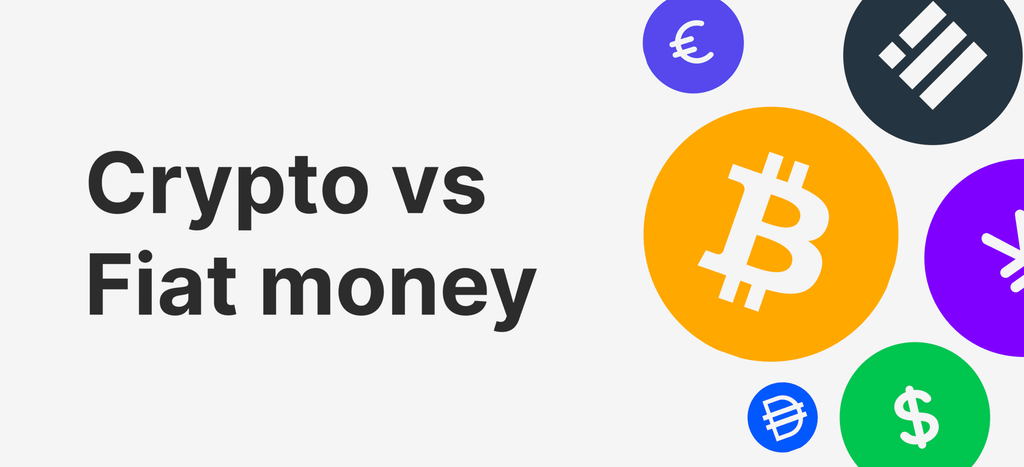
What Should Bettors Use: Crypto or Fiat?
For the average online bettor, fiat remains the more practical choice.
There are several reasons.
Fiat payments are familiar, prices are easier to understand, regulated sportsbooks commonly support them, and local payment infrastructure can make deposits and withdrawals extremely convenient.
This is particularly relevant in mobile-money markets.
A bettor who earns money, pays bills and holds savings in local currency usually gains little from converting that money into a volatile cryptocurrency solely to place a sports bet.
Crypto becomes more compelling for a narrower group.
Someone who already owns digital assets, understands blockchain transactions, knows how wallets and network fees work and uses a properly licensed platform may value crypto’s cross-border and always-on characteristics.
Stablecoins may also be preferable to volatile assets for users specifically seeking blockchain settlement without intentionally taking significant cryptocurrency price exposure.
But bettors should never choose an unlicensed sportsbook simply because it accepts crypto.
Recommendations by User Type
| User | More Practical Option |
|---|---|
| Beginner bettor | Fiat |
| Mobile-money user | Fiat |
| User paid/earning in local currency | Fiat |
| Bettor uncomfortable with crypto wallets | Fiat |
| Existing experienced crypto holder | Crypto may be useful |
| Cross-border digital-asset user | Crypto may be useful |
| User trying to avoid KYC/regulation | Neither—use a properly licensed operator |
| User concerned about BTC/ETH volatility | Fiat or, where appropriate, regulated stablecoin rails |
What Sportsbook Operators Should Learn From Crypto vs Fiat
The more interesting B2B lesson isn’t whether sportsbooks should replace fiat with cryptocurrency.
They shouldn’t think about the problem that way.
Payments should be treated as part of the sportsbook’s product experience.

An operator serving Ghana might prioritize MTN. One serving the UK may prioritize cards, bank payments and established e-wallets. A business targeting crypto-native customers might benefit from appropriately regulated digital-asset payment infrastructure.
The objective should be reducing friction while maintaining strong compliance controls.
For operators, that means evaluating payment methods across cost, settlement time, customer adoption, fraud exposure, chargeback risk, AML requirements, conversion requirements and regulatory complexity rather than adopting crypto simply because the technology is newer.
Final Verdict: Fiat Wins for Most Users, but Crypto Has a Role
Cryptocurrency has introduced genuine innovation into online payments.
It can provide cross-border transfers, continuous settlement infrastructure and an alternative for customers who already hold digital assets.
But those benefits come with trade-offs.
Network fees can fluctuate. Bitcoin and other assets can experience substantial price volatility. Wallet transactions require greater technical knowledge, and gambling regulators have identified cryptoassets as presenting additional AML and source-of-funds risks.
For most mainstream bettors, fiat remains the better option because it is simpler, more familiar and more deeply integrated with regulated payment systems.
Crypto makes more sense as an additional payment rail for appropriate users, not necessarily as a replacement for fiat.
Ultimately, the best betting payment method isn’t the newest technology.
It is the method that gives the user the best combination of cost, speed, security, regulatory protection and convenience.
Responsible Betting: Regardless of whether a betting account is funded with fiat or cryptocurrency, gambling involves financial risk. Cryptocurrency should not make a wager feel less like spending real money. Use licensed operators, set spending limits and never gamble with funds you cannot afford to lose.